Asia · Trade
Mongolia Locks In Monthly Fuel Supply From South Korea
Ulaanbaatar secures 50,000 tons of petroleum products per month from Seoul, reducing dependence on Russia amid regional supply constraints
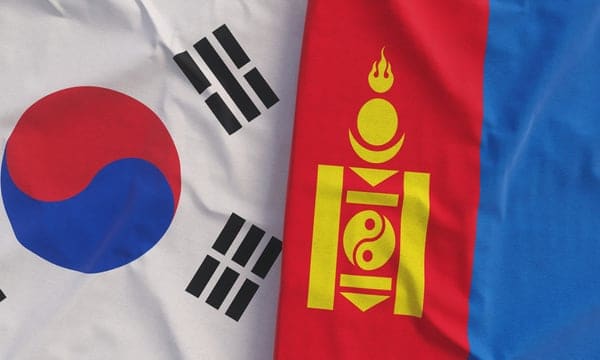
KEY TAKEAWAYS
- ·Mongolia signed a deal with South Korea on July 30 for 50,000 tons of petroleum products monthly, including 10,000 tons of jet fuel, 20,000 tons of gasoline covering over 33 percent of demand, and 20,000 tons of diesel addressing 20 percent of logistics and agricultural needs.
- ·The agreement reduces Mongolia's dependence on Russia, which currently supplies over 90 percent of its refined fuel, at a time when Russian refineries face disruptions from Ukrainian drone strikes and Moscow has banned diesel exports.
- ·The fuel deal follows South Korean President Lee Jae-myung's July state visit, which produced 21 cooperation agreements and advanced a Comprehensive Economic Partnership Agreement as part of Mongolia's broader strategy to diversify away from Russia and China.
A Strategic Pivot
Mongolia has finalized an agreement with South Korea to purchase 50,000 tons of petroleum products each month, marking the first time the landlocked nation has sourced refined fuel from Seoul. The deal was signed on July 30 following negotiations between Mongolian Minister of Industry and Mineral Resources Damdinnyam Gongor and South Korea's Ministry of Trade, Industry, and Energy.
The monthly allocation breaks down to 10,000 tons of jet fuel, 20,000 tons of AI-92 gasoline, and 20,000 tons of diesel. The gasoline shipments alone will cover more than one-third of Mongolia's total monthly consumption, while the diesel component addresses roughly 20 percent of demand from the country's logistics and agricultural sectors.
Russia currently supplies over 90 percent of Mongolia's refined petroleum, with China accounting for the remainder. The South Korean contract represents Ulaanbaatar's most significant attempt to diversify its energy suppliers in recent memory.
Pressure Points
The timing reflects mounting strain on Mongolia's fuel supply chain. Russian refineries have faced repeated disruptions from Ukrainian drone attacks, forcing Moscow to ban diesel exports and seek emergency imports from Kazakhstan. Countries such as Kyrgyzstan and Tajikistan, which also rely heavily on Russian fuel, have implemented emergency rationing measures in response.
At the same time, disruptions in the Strait of Hormuz have complicated global petroleum logistics, compounding the pressure on landlocked nations with limited supplier options.
Domestic demand inside Mongolia has surged during the summer season, driven by peak tourism and large-scale agricultural operations. The government estimates that consumption rises two to three times above baseline levels during this period, raising the risk of shortages if traditional supply lines falter.
Mongolia has moved quickly to address the gap. In addition to the South Korean agreement, Ulaanbaatar has secured an emergency delivery of 6,000 tons of gasoline from China to cover immediate needs.
Part of a Broader Reset
The fuel deal follows South Korean President Lee Jae-myung's state visit to Mongolia from July 9 to 11, during which the two governments signed 21 cooperation agreements and announced a "New Golden Era" in bilateral relations. The visit also advanced a Comprehensive Economic Partnership Agreement that will reduce tariffs between the two countries.
Trade and investment featured prominently in the discussions, aligning with Mongolia's broader economic strategy to reduce its reliance on Russia and China. The fuel agreement extends that logic into the energy sector, where dependence on a single supplier has become a vulnerability.
South Korea's entry into Mongolia's fuel market provides Ulaanbaatar with a hedge against supply shocks and a mechanism to stabilize domestic prices. For Seoul, the deal opens a new export channel for its refining sector and deepens economic ties with a country positioned between two of Asia's largest economies.
What Comes Next
The agreement gives Mongolia a buffer as it navigates a volatile regional energy landscape. Whether the deal expands beyond the initial 50,000-ton monthly commitment will depend on infrastructure, pricing, and the reliability of alternative routes through Chinese territory.
Ulaanbaatar's willingness to lock in long-term supply from a third country signals a shift in how it manages energy security. The South Korean contract is not just about filling tanks; it is about creating leverage in negotiations with traditional suppliers and ensuring that fuel availability does not become a constraint on economic activity.
For now, the government has made clear that it expects no shortages. The diversification strategy, backed by multiple suppliers and emergency reserves, is designed to keep gas stations and airports operating regardless of what happens in Moscow or along the Strait of Hormuz.
RELATED STORIES
South Korea Breaks Full-Year Export Record in September
Tran Quoc Bao · 3 min
SK Hynix Union Rejects Wage Deal in Razor-Thin Vote
Cheng Wei-Lun · 3 min
South Korea's Export Surge Powers Economic Upturn Through Third Quarter
Jun-ho Seo · 4 min
South Korea Targets $40,000 Per Capita Income as GDP Growth Accelerates
Jun-ho Seo · 4 min
Spot something wrong? Email editor@briefasia.com. We log every correction publicly.