Sustainability · Energy
Mongolia Faces Fuel Shortage as Import Dependency Collides With Rising Demand
A summer crisis strands tourists and residents alike, exposing the landlocked nation's near-total reliance on Russian energy and the absence of domestic refining capacity.

KEY TAKEAWAYS
- ·Mongolia imports 97 percent of its fuel from Russia, and consumption has quintupled from 500,000 tonnes in 2005 to 2.7 million tonnes in 2025.
- ·Current reserves stand at 11 to 13 days for petrol, 18 days for diesel, and 10 days for aviation fuel, far below the government's three-to-six-month target.
- ·The U.S. Embassy advised deferring non-essential travel to Mongolia on August 4, disrupting peak tourism season and a key economic diversification priority.
Lines at the Pump
As peak tourist season coincides with the start of the school year, Mongolia's transportation sector has ground to a halt. Motorists across the country queue for hours at fuel stations, often to discover empty tanks. The government has responded by capping the volume of fuel individuals can purchase on designated days, a measure that underscores the severity of the shortfall.
The crisis stems from a collision of geography, geopolitics, and surging consumption. Despite possessing proven crude oil deposits, Mongolia imports all of its refined fuel, with 97 percent arriving from Russia. That dependency leaves the country exposed to disruptions in global energy flows, even as domestic demand has climbed 14 percent year-on-year.
A Twenty-Year Surge
Mongolia's fuel appetite has grown sharply over the past two decades. In 2005, the nation imported approximately 500,000 tonnes of petrol and diesel. By 2025, that figure had reached nearly 2.7 million tonnes, a fivefold increase driven by rapid urbanization and a mining sector boom that has drawn heavy machinery and commercial transport into remote regions.
Reserves have not kept pace. As of early August, petrol stocks stood at 11 to 13 days' supply, diesel at 18 days, and aviation fuel at just 10 days. Those figures fall far short of the three-to-six-month buffer previous administrations set as a target but failed to achieve due to inadequate storage infrastructure and inconsistent implementation.
The current government has pledged to accelerate construction of reserve facilities, though completion is not expected until 2028.
Diversification Efforts
Recognizing the strategic vulnerability, Mongolian officials have pursued alternative suppliers. Discussions with Kazakhstan on fuel imports have been underway, and last week Minister of Industry and Mineral Resources Damdinnyam Gongor traveled to South Korea to finalize agreements on petroleum products. According to government announcements, the first shipments of diesel, petrol, and aviation fuel from South Korea are scheduled to arrive this month.
Yet diversification alone does not eliminate the underlying risk. In 2025, diesel and petrol accounted for roughly one-third of Mongolia's total import value, and that figure reflected discounted Russian pricing. Fuel from other sources, including China, may carry higher costs, placing additional strain on consumers and the national budget.
Tourism at a Standstill
The timing of the shortage has compounded its impact. Mongolia has designated tourism a priority pillar for economic diversification, and summer months represent the high season. Record numbers of foreign visitors arrived this year, many planning multi-day road trips across the steppe. Those itineraries have been upended.
On August 4, the U.S. Embassy in Ulaanbaatar advised American citizens to defer non-essential travel to Mongolia, citing fuel unavailability. Industry experts report that the tourism sector has effectively paused, undermining economic activity at a moment when the country sought to showcase its appeal to international travelers.
Refinery Plans and Electric Alternatives
Construction of Mongolia's first domestic oil refinery is underway, with an operational target of 2028. When complete, the facility will reduce but not eliminate reliance on imported refined products.
A longer-term solution may lie in transportation electrification. Electric vehicles, identifiable by bright green license plates, have begun appearing in Ulaanbaatar. They are exempt from the capital's "day restriction" policy, which bans conventional vehicles from operating one day per week to ease congestion and air pollution. Chinese electric vehicle manufacturers, including BYD, have opened dealerships in the city.
Mongolia possesses significant untapped renewable energy resources, which could support a shift away from liquid fuels in the transportation sector. Fuel imports remain the single largest commodity by value entering the country, a dynamic that electrification could begin to reverse.
For now, the immediate challenge is managing scarcity. The government continues to issue policy updates, but the current episode has laid bare the fragility of a system that leaves the nation with less than three weeks of fuel on hand and no near-term path to self-sufficiency.
RELATED STORIES
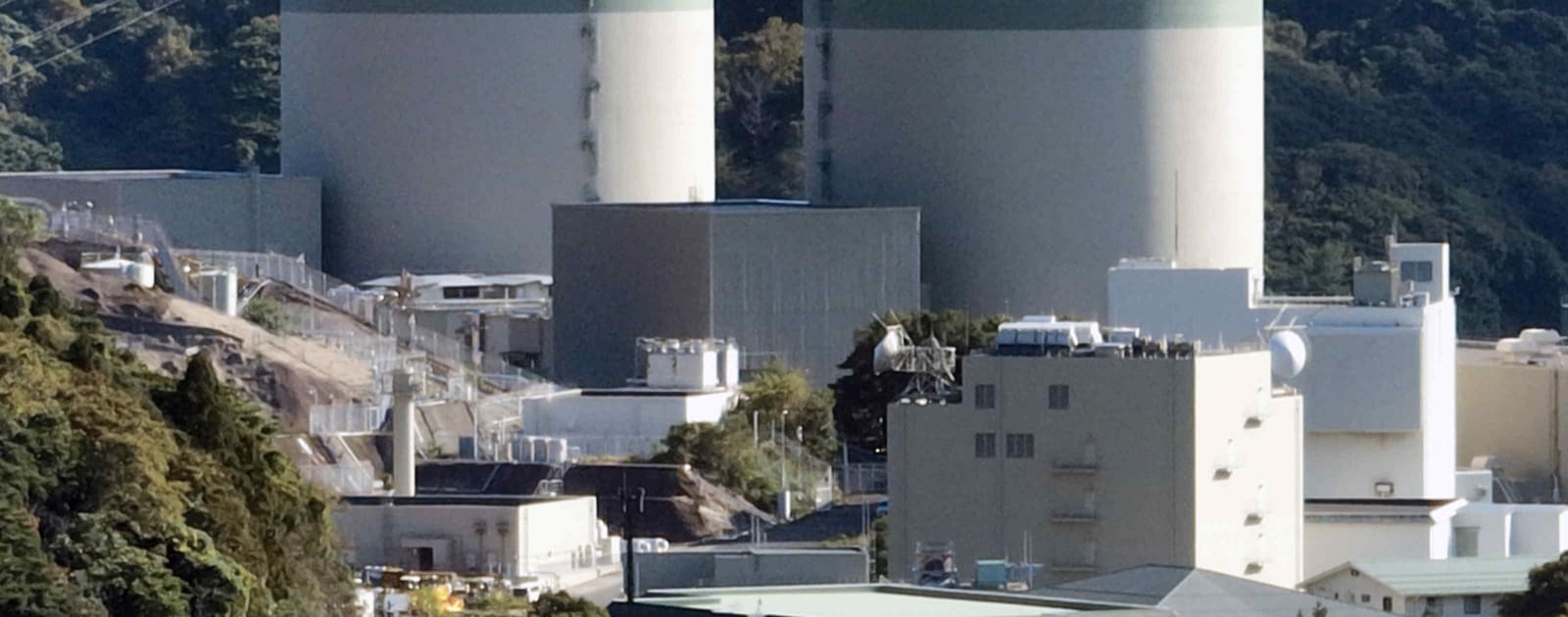
Japan's Nuclear Reactor Replacement Plan Stalls on Labor Crunch
Aiko Nakamura · 3 min

Mongolia Locks In Monthly Fuel Supply From South Korea
Cheng Wei-Lun · 3 min
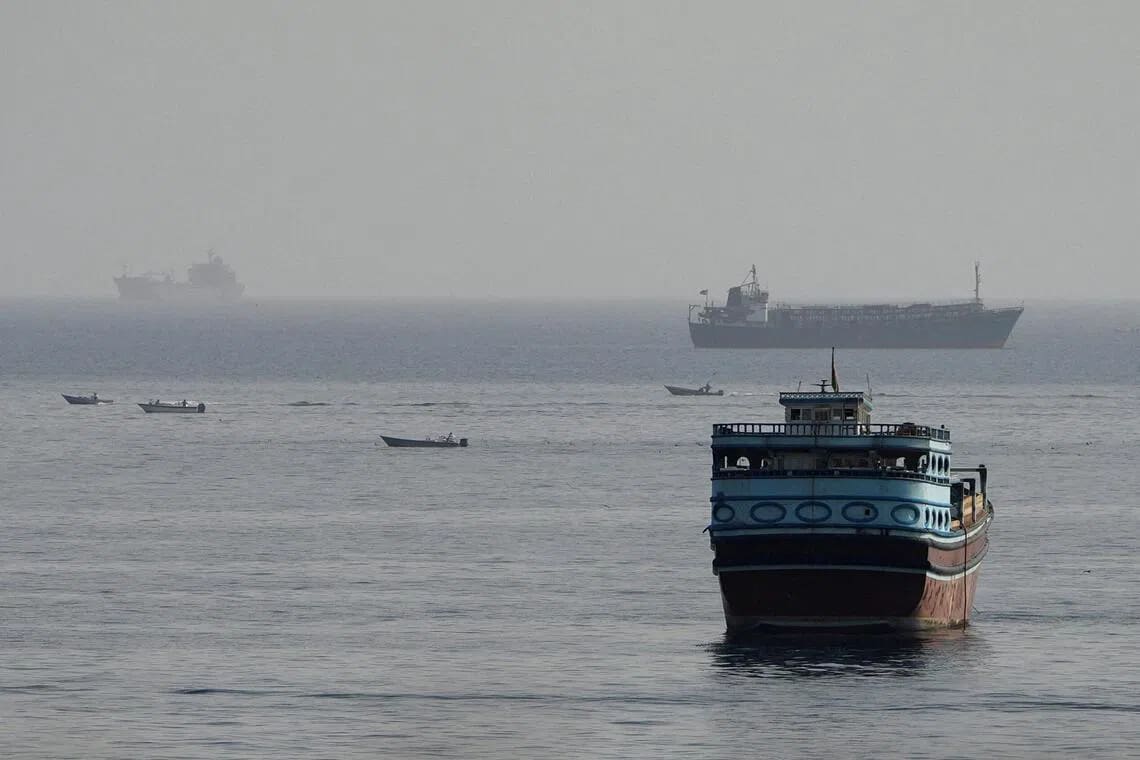
Crude Prices Climb as Iran Tightens Grip on Hormuz Transit
Priyanka V. Rao · 3 min
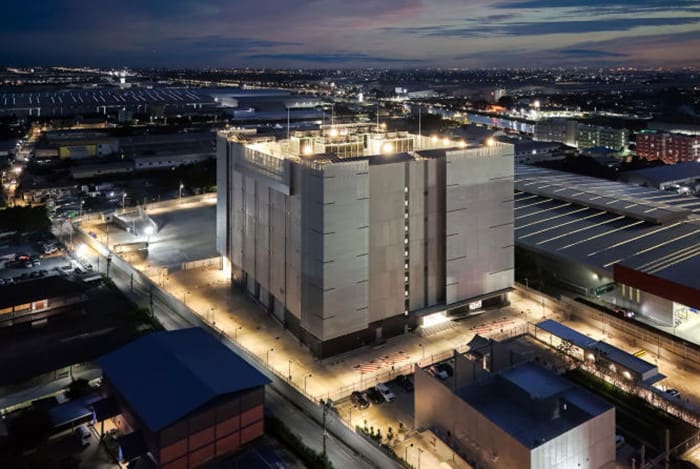
Thai Industrialists Flag Water Stress as Data Center Boom Accelerates
Priyanka V. Rao · 2 min
Spot something wrong? Email editor@briefasia.com. We log every correction publicly.