Sustainability · Energy
Japan's Nuclear Reactor Replacement Plan Stalls on Labor Crunch
Seventy percent of energy sector companies struggle to find personnel as government pushes to build five reactors by 2040s
KEY TAKEAWAYS
- ·Japan approved construction of up to five nuclear reactors by the 2040s, but 70% of sector companies cannot find sufficient workers to execute the plan.
- ·The workforce shortage stems from talent exodus after Fukushima and competition with AI infrastructure and renewable projects for limited labor.
- ·Labor bottlenecks threaten Japan's nuclear export ambitions and could force delays or scale-backs in the replacement program.
A Blueprint Without Builders
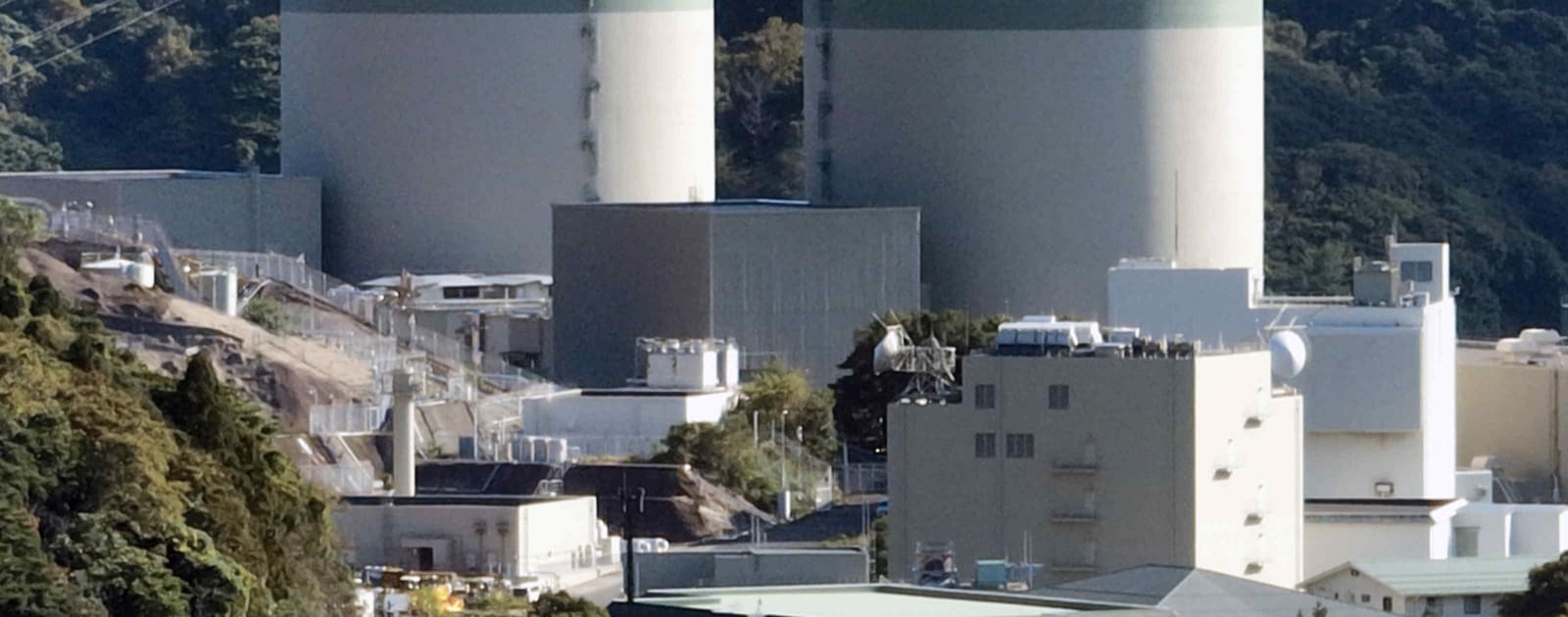
Tokyo has green-lit an ambitious program to construct up to five nuclear reactors by the 2040s, aiming to shore up energy independence as the country phases out aging facilities. But the blueprint collides with a stark reality: the industry cannot find enough workers to turn plans into concrete and steel.
Seventy percent of companies in Japan's nuclear sector report difficulty securing adequate personnel, according to industry data. The labor squeeze threatens to derail the government's timeline and raises questions about whether the country can execute a nuclear resurgence without the human capital to build it.
The workforce gap spans multiple specialties, from reactor engineers and safety inspectors to construction crews and project managers. Many skilled workers left the industry after the 2011 Fukushima disaster led to a decade-long moratorium on new reactor approvals. Now, as policy pivots back toward nuclear power, the talent pool has shrunk while demand surges.
Energy Security Meets Demographic Headwinds
Japan's push to replace reactors stems from twin pressures: the need to retire facilities built in the 1970s and 1980s that are nearing end-of-life, and a broader strategy to reduce reliance on imported fossil fuels. The government views new nuclear capacity as essential to meeting climate commitments while maintaining grid stability.
Yet the country's overall demographic decline compounds the challenge. Japan's working-age population has been shrinking for years, tightening labor markets across sectors. The nuclear industry competes with booming infrastructure projects tied to AI data centers and renewable energy installations, all chasing the same limited workforce.
Reactor construction requires specialized skills that take years to develop. Training programs have struggled to scale quickly enough, and younger workers often gravitate toward tech and renewable sectors perceived as having stronger growth trajectories and fewer regulatory hurdles.
Regional Implications and Export Ambitions
The labor bottleneck in Japan carries weight beyond its borders. Japanese reactor manufacturers have reported record sales projections, positioning themselves to export technology and expertise across Asia as multiple countries reconsider nuclear power. But a domestic workforce shortage could constrain the industry's ability to fulfill both home and overseas commitments.
South Korea, China, and India are all expanding nuclear programs, creating a regional scramble for qualified personnel. If Japan cannot staff its own projects, it risks losing competitive ground in a market where execution speed and technical credibility determine winners.
The situation also highlights a broader infrastructure challenge facing advanced Asian economies: how to maintain and upgrade critical systems when the labor force needed to do the work is either retiring or never entered the field. Similar dynamics are playing out in Japan's spent fuel reprocessing operations and grid modernization efforts, where delays have become routine.
What Comes Next
Industry groups are lobbying for expanded visa programs to bring in foreign workers with nuclear expertise, though regulatory and security concerns have slowed those discussions. Some companies are experimenting with modular construction techniques that require fewer on-site workers, but such methods remain unproven at the scale needed for full reactor builds.
The government has not publicly adjusted its 2040s target despite the workforce warnings. Whether Tokyo will need to revise timelines, offer financial incentives to attract workers, or scale back the number of planned reactors remains an open question. What is clear is that Japan's nuclear revival depends as much on people as on policy.
RELATED STORIES
Japan's Property Firms Pivot to Data Centre Build-Out
Aiko Nakamura · 3 min
China Imposes Anti-Dumping Measures on Japanese Semiconductor Chemical Imports
Jun-ho Seo · 3 min
Yen Climbs to Eight-Month High as Rate Hike Expectations Shift Sentiment
Jun-ho Seo · 3 min

Berkshire Hathaway Eyes Larger Stakes in Japan's Top Trading Houses
Cheng Wei-Lun · 3 min
Spot something wrong? Email editor@briefasia.com. We log every correction publicly.