Sustainability · Energy
Mitsui Launches Commercial Synthetic Methanol Plant as Automakers Place Orders
Trading house's Danish facility receives unexpected demand from vehicle sector ahead of EU sustainability targets
KEY TAKEAWAYS
- ·Mitsui & Co. has started commercial operations at a synthetic methanol plant in Denmark, which the company describes as the world's first commercial-scale facility of its kind.
- ·The plant received unexpected high demand from automotive applications, with vehicle manufacturers and logistics firms placing orders ahead of EU renewable fuel targets.
- ·The facility's early success may accelerate investment in synthetic fuel production and demonstrate commercial viability for alternatives to battery electrification in transport.
World's First at Commercial Scale
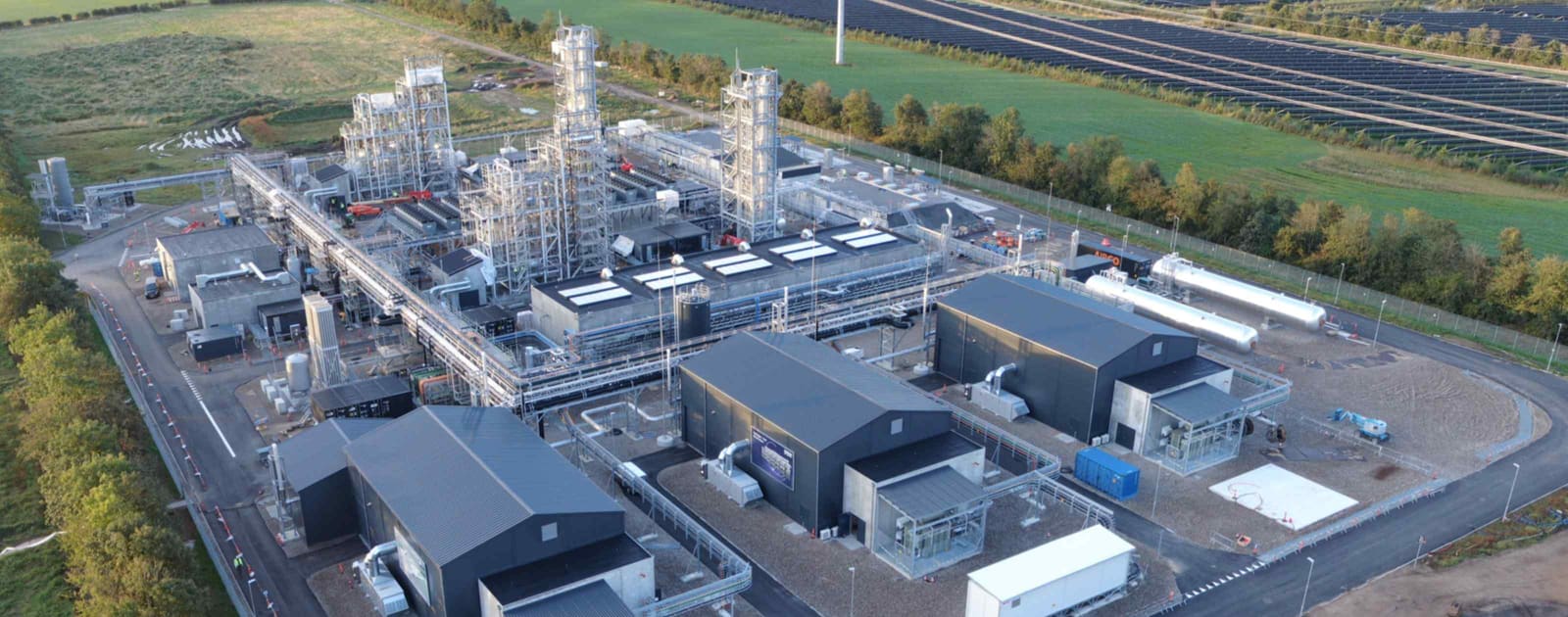
Mitsui & Co. announced Thursday that its synthetic methanol facility in Denmark has entered full commercial operation. The Japanese trading house describes the plant as the world's first commercial-scale facility producing synthetic methanol, a fuel produced using renewable energy and captured carbon rather than fossil sources.
The plant's launch comes as European Union regulations push manufacturers toward lower-carbon alternatives across transport and industrial sectors. Synthetic methanol, sometimes called e-methanol, is produced by combining hydrogen from renewable electricity with captured carbon dioxide, creating a liquid fuel chemically identical to conventional methanol but with a significantly reduced carbon footprint.
Automotive Sector Drives Early Demand
What surprised Mitsui was the volume of orders coming from automotive applications. The company reported receiving a flood of purchase commitments for vehicle use, an application the trading house had not initially prioritized in its commercial planning.
Methanol can be used directly in modified internal combustion engines, blended with gasoline, or converted into other fuels and chemicals. Several automakers and logistics companies across Europe have been testing methanol-powered vehicles and methanol-diesel blends as part of decarbonization strategies, particularly for commercial fleets where battery-electric solutions face range and payload constraints.
The timing aligns with mounting pressure on European manufacturers. The EU has set binding targets for renewable fuel use in transport, and automotive companies are exploring multiple pathways to meet fleet emission standards without relying exclusively on battery electrification.
Strategic Position in Green Fuel Race
Mitsui's move positions the trading house at the front of a nascent but rapidly developing market. Synthetic fuels remain more expensive than fossil equivalents, but the cost gap is narrowing as renewable electricity prices fall and carbon regulations tighten.
Denmark offers strategic advantages for synthetic fuel production. The country has abundant wind power capacity, providing the renewable electricity needed for hydrogen electrolysis, and hosts industrial clusters with concentrated CO₂ emissions that can be captured and converted into feedstock.
Other Japanese trading houses have also been investing in green fuel projects globally, seeking to secure positions in supply chains that could reshape energy trade over the next two decades. Mitsui's early commercialization gives it operational experience that competitors will need years to replicate.
Market Implications
The plant's successful launch and immediate order book suggest that synthetic methanol may find market traction faster than many analysts expected. While hydrogen and ammonia have attracted more public attention as next-generation fuels, methanol's advantage lies in its compatibility with existing infrastructure. It can be transported using conventional tankers, stored in standard tanks, and integrated into supply chains without the cryogenic or high-pressure systems required for hydrogen.
For Asia, the development is significant beyond Mitsui's corporate interest. Japan has committed to supporting multiple decarbonization pathways rather than betting exclusively on electrification or hydrogen. Synthetic fuels offer a hedge, particularly for sectors like shipping and aviation where battery solutions remain impractical.
If automotive demand continues at the levels Mitsui is experiencing, it could accelerate investment in additional production capacity and drive down costs through scale. The company has not disclosed production volumes or pricing, but the pace of orders will likely inform decisions on expansion and replication of the model in other regions.
The facility's performance over the coming quarters will serve as a critical test case for the broader synthetic fuel industry, demonstrating whether commercial-scale production can meet both technical specifications and economic viability in real-world supply chains.
RELATED STORIES
Japan Bets on Forest Walls to Soften Tsunami Impact
Aiko Nakamura · 4 min
Japan's Factory Orders Jump to Eight-Year High on Chip and AI Demand
Aiko Nakamura · 3 min
Japan's Factory Orders Hit Seven-Year High as Chip Demand Surges
Cheng Wei-Lun · 2 min
L Catterton Eyes Majority Stake in Japanese Wealth Advisory Firm
Cheng Wei-Lun · 3 min
Spot something wrong? Email editor@briefasia.com. We log every correction publicly.