Lifestyle · Luxury
Mercedes-Benz Bets on Refreshed S-Class to Reclaim Seoul's Executive Sedan Market
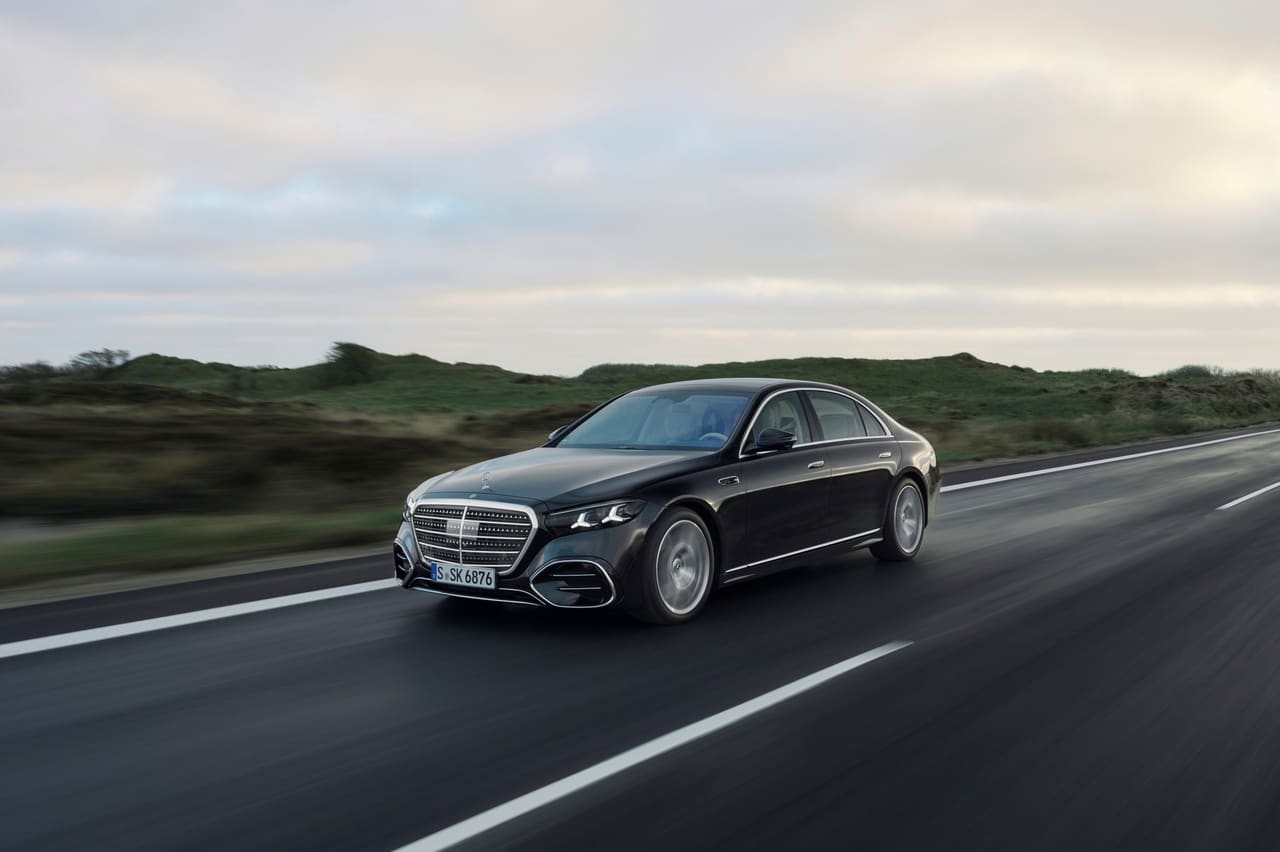
The German automaker's flagship sedan arrives in Korea with over half its components redesigned, marking new CEO Shirin Emeera's first major product debut
KEY TAKEAWAYS
- ·Mercedes-Benz Korea has launched the face-lifted S-Class sedan with over 50 percent newly developed or updated components, marking CEO Shirin Emeera's first major product debut since July.
- ·The flagship sedan re-enters a Korean market where Genesis, BMW, and electric rivals have eroded traditional German combustion dominance in the full-size luxury segment.
- ·Success hinges on whether extensive upgrades justify the S-Class premium before an electric successor arrives in the next product cycle.
A Flagship Returns
Mercedes-Benz Korea has launched the face-lifted S-Class sedan, the first flagship product debut under CEO Shirin Emeera, who assumed leadership in July. The timing is deliberate. Seoul's full-size luxury segment has grown more contested, with electric challengers from Genesis, BMW, and Tesla eroding the traditional dominance of German combustion sedans.
The refreshed model represents a substantial engineering overhaul. More than 50 percent of its components have been newly developed or updated, according to Mercedes-Benz, spanning performance hardware, driver-assistance systems, and digital interfaces. The automaker positions the sedan as a response to buyers who still value the combination of internal combustion refinement and established luxury credentials.
What Changed Under the Surface
Performance upgrades focus on powertrain efficiency and chassis tuning. Mercedes-Benz has refined the inline-six and V8 engine options, targeting smoother power delivery and improved fuel economy without sacrificing the low-end torque executives expect in chauffeur-driven scenarios. Suspension calibration has been adjusted for Korean road conditions, a nod to the market's preference for ride comfort over outright handling sharpness.
Safety technology has been expanded. The latest iteration of Mercedes-Benz's driver-assistance suite now includes enhanced automatic emergency braking, adaptive cruise control with stop-and-go capability, and lane-keeping systems recalibrated for narrower urban streets common in Seoul and Busan. Rear-seat occupants benefit from additional airbag coverage and improved structural reinforcement in the passenger cell.
Digital upgrades center on the MBUX infotainment system. The interface has been revised with faster processors, reducing lag in navigation and voice commands. Rear-seat entertainment screens have grown in size, and wireless connectivity supports both Apple CarPlay and Android Auto without requiring cable connections. Over-the-air update capability means software improvements can be deployed remotely, extending the vehicle's functional lifespan.
The Competitive Context
The S-Class re-enters a market where buyer preferences are shifting. Genesis has gained ground with the G90, offering comparable luxury at a lower price point and capitalizing on domestic brand loyalty. BMW's 7 Series has carved out a niche among driving enthusiasts who prioritize dynamics. Tesla's Model S, though aging, continues to attract tech-forward buyers willing to sacrifice traditional luxury for electric performance.
Mercedes-Benz Korea faces an additional challenge: the growing perception that electric vehicles represent the future, even among conservative executive buyers. The automaker has yet to introduce a battery-electric S-Class, leaving the brand without a direct answer to emerging EV sedans from Chinese automakers eyeing the Korean market.
Pricing strategy will be critical. The S-Class commands a premium over rivals, justified historically by brand heritage and perceived build quality. Whether that premium holds in a market increasingly sensitive to value and technology remains to be seen.
Emeera's First Test
For Shirin Emeera, the S-Class launch serves as an early indicator of her leadership approach. Her appointment in July came as Mercedes-Benz navigates a transition period in Asia, balancing combustion sales that still generate profit against the need to accelerate electric vehicle adoption.
The Korean market is a useful bellwether. Buyers here are early adopters of automotive technology but remain attached to traditional luxury markers like rear-seat comfort and brand prestige. Success in Seoul often signals broader viability across Asia's developed markets.
Mercedes-Benz Korea has not disclosed sales targets for the refreshed S-Class, but industry observers will watch closely. The previous generation maintained steady if unspectacular volumes, enough to justify continued investment but not enough to dominate. Reclaiming segment leadership would require not just product excellence but also a compelling argument for why combustion luxury still matters in an electrifying landscape.
What Comes Next
The S-Class refresh buys Mercedes-Benz time, but not indefinitely. An electric successor is expected within the next product cycle, likely sharing architecture with the EQS but targeting buyers who found that model's styling too radical. Until then, the combustion S-Class must hold the line.
Korean buyers will render their verdict in showrooms over the coming months. The sedan's fate will hinge on whether extensive component updates translate into a tangible ownership experience superior to rivals, and whether the Mercedes-Benz brand still carries enough weight to justify its premium in a market that no longer defaults to German engineering.
RELATED STORIES
Korean Skincare Brand Eqqualberry Draws 4,000 Visitors at Los Angeles K-Beauty Festival
Cheng Wei-Lun · 3 min

UK Funds Exit Korean Equities as Foreign Sell-Off Hits $22.9 Billion in July
Cheng Wei-Lun · 3 min
Samsung Announces Historic $65 Billion Shareholder Return Program
Cheng Wei-Lun · 4 min
Seoul Stocks Slip as Treasury Yields Resume Climb
Cheng Wei-Lun · 2 min
Spot something wrong? Email editor@briefasia.com. We log every correction publicly.