Finance · Markets
Malaysian Ringgit Gains Ground as Fed Rate Decision Looms
The currency appreciated against the dollar and most major peers while traders positioned ahead of the Federal Reserve's two-day policy meeting starting July 28.
KEY TAKEAWAYS
- ·Malaysia's ringgit closed at 4.0835 per dollar on July 27, up from 4.0885 the previous Friday, as traders positioned cautiously ahead of the Federal Reserve's July 28-29 policy meeting.
- ·Crude oil prices dropped sharply after the US and Iran paused hostilities, with WTI falling 6.98 percent to $83.08 per barrel and Brent declining 7.94 percent to $89.10 per barrel.
- ·The ringgit gained against most major currencies but showed mixed performance versus regional peers, strengthening against the rupiah and Singapore dollar while weakening against the Thai baht.
Ringgit Climbs in Thin Trading
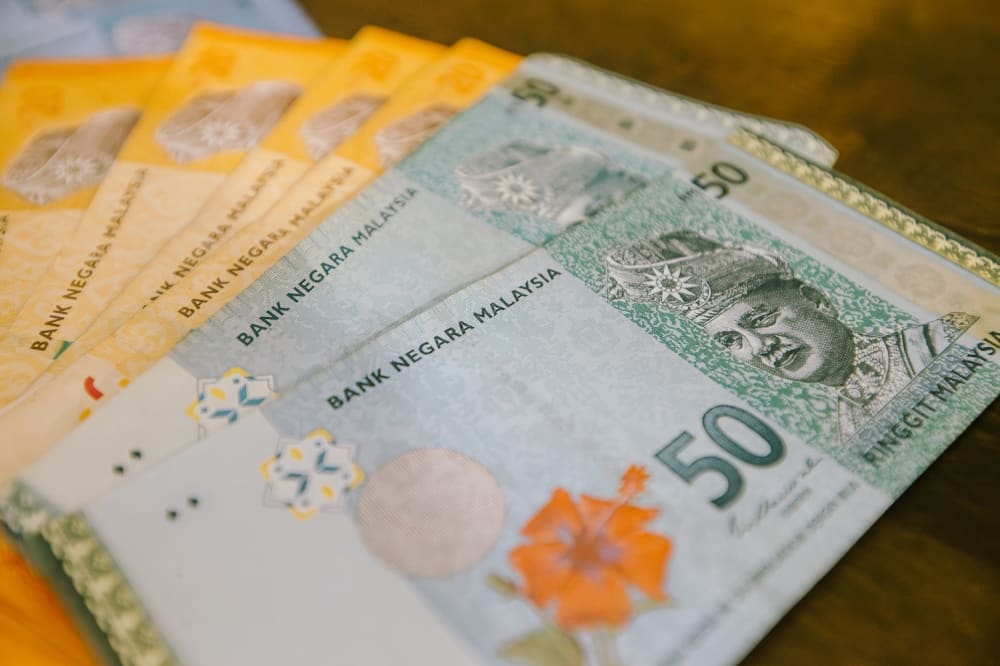
Malaysia's ringgit posted gains against the dollar on Monday, closing at 4.0835 per greenback compared with 4.0885 at the end of last week. The move came as investors trimmed positions ahead of the Federal Reserve's policy meeting scheduled for July 28-29, when the US central bank will announce its latest interest rate decision.
Trading remained constrained within a narrow band through the session. The local currency's advance reflected broader caution across Asian foreign exchange markets, where participants preferred to wait for clarity from Washington before making larger directional bets.
Dr Mohd Afzanizam Abdul Rashid, chief economist at Bank Muamalat Malaysia, noted that market participants were reluctant to take aggressive positions given the uncertainty surrounding the Federal Open Market Committee outcome. The ringgit's performance against the dollar has been sensitive to shifts in US monetary policy expectations, particularly as rate differentials between Bank Negara Malaysia and the Fed influence capital flows into Malaysian assets.
Oil Price Slide Adds Complexity
Crude oil prices tumbled over the weekend after the United States and Iran agreed to pause hostilities, removing an immediate geopolitical risk premium from energy markets. West Texas Intermediate crude fell 6.98 percent to settle at $83.08 per barrel, while Brent crude dropped 7.94 percent to $89.10 per barrel.
The decline in oil prices presents a mixed picture for Malaysia. As a net energy exporter, lower crude prices can weigh on trade balance projections and government revenue, particularly from Petronas dividends. However, the easing of geopolitical tensions in the Middle East reduces broader risk aversion that has periodically pressured emerging market currencies.
Mohd Afzanizam cautioned that the situation remains fluid. While the immediate de-escalation between Washington and Tehran provided relief to markets, the durability of any ceasefire arrangement is unclear. Energy traders will be watching closely for signs of whether the truce holds or whether tensions flare again, which could send oil prices swinging in either direction.
Cross-Currency Movements
The ringgit posted modest gains against other major currencies. It edged up to 2.4969 per 100 yen from 2.4976 previously, reflecting a slight weakening in the Japanese currency. Against the euro, the ringgit appreciated to 4.6536 from 4.6556, while it strengthened versus the British pound to 5.4433 from 5.4442.
Performance against regional peers was more mixed. The ringgit advanced against the Indonesian rupiah, closing at 226.7 per 10,000 rupiah compared with 227.6 last week. It also gained ground against the Singapore dollar, moving to 3.1653 from 3.1667.
However, the currency slipped against the Thai baht, weakening to 12.1612 from 12.1414, and also eased marginally against the Philippine peso to 6.62 from 6.61. The divergence reflects differing central bank policy stances and growth outlooks across Southeast Asia. Thailand's economic recovery and the Bank of Thailand's relatively hawkish posture have lent support to the baht, while the peso has benefited from robust remittance flows.
Fed Meeting in Focus
The Federal Reserve's two-day policy meeting will be the primary catalyst for currency markets this week. Traders are parsing recent US economic data for clues about whether the Fed will signal a pause in its rate trajectory or hint at further tightening.
Inflation readings in the United States have shown signs of cooling, but labor market resilience and still-elevated core price pressures leave the policy path uncertain. Any dovish tilt from Fed Chair Jerome Powell could weaken the dollar broadly and provide a tailwind for Asian currencies including the ringgit. Conversely, a hawkish hold or indication of additional rate increases would likely reverse recent emerging market currency gains.
For Malaysia, the interest rate differential with the US remains a key driver of portfolio flows. Bank Negara Malaysia has maintained its overnight policy rate at 3.00 percent since May 2023, prioritizing financial stability and growth support over aggressive tightening. The Fed's benchmark rate, by contrast, sits in a range of 5.25 to 5.50 percent, creating a substantial carry disadvantage for ringgit-denominated assets.
Foreign investor appetite for Malaysian equities and bonds has been tepid in recent months, with net outflows recorded in several sessions. A shift in Fed rhetoric that signals the end of the tightening cycle could reverse some of those flows, providing support for the ringgit in the near term.
What Comes Next
Beyond the Fed decision, Malaysia's currency will be influenced by domestic economic releases and regional trade dynamics. Export data for June, due in early August, will offer insight into whether the country's manufacturing and commodity shipments are holding up amid global demand uncertainty.
The ringgit's year-to-date performance has been volatile, swinging between 4.05 and 4.15 against the dollar as traders navigated shifting expectations for US and regional monetary policy. Stability in the currency is important for Malaysia's import-dependent sectors and for managing inflation, which has moderated but remains above Bank Negara's comfort zone.
With geopolitical risks in the Middle East still simmering and the Fed's policy path far from certain, the ringgit is likely to remain sensitive to external shocks in the weeks ahead. Traders will be watching not just the Fed's statement but also Powell's press conference for any forward guidance that could reshape market expectations for the second half of 2026.
RELATED STORIES
Malaysian Ringgit Strengthens on Strong US Jobs Data
Tran Quoc Bao · 3 min
Malaysian Equities Climb in Morning Session as Regional Investors Weigh Oil Price Rally
Anand Sundaram · 3 min
Malaysian Ringgit Gains Ground as Markets Anticipate Fed and BOJ Rate Moves
Tran Quoc Bao · 2 min

Blackstone's AirTrunk Lines Up S$2 Billion Loan for Singapore REIT IPO
Anand Sundaram · 3 min
Spot something wrong? Email editor@briefasia.com. We log every correction publicly.