Sustainability · ESG
Malaysia Eyes Mandatory Producer Responsibility to Drive Recycling Investment
Voluntary commitments insufficient to build infrastructure at scale, industry figures warn as country develops 2030 compliance framework
KEY TAKEAWAYS
- ·Malaysia launched voluntary extended producer responsibility for packaging in 2026, with mandatory compliance for major producers set for 2030 as the government develops the broader policy framework.
- ·The country generates 39,000 tonnes of solid waste daily, projected to reach 17 million tonnes annually by 2035, with only 22 of over 100 landfill sites meeting sanitary standards.
- ·Experts say voluntary schemes lack the regulatory certainty needed to attract recycling infrastructure investment, with blended finance and producer fees required to fund the transition.
The Voluntary Phase
Malaysia launched a voluntary extended producer responsibility framework for packaging earlier this year, setting the stage for mandatory compliance among major producers from 2030. The government continues to develop the broader policy architecture that will govern how companies manage post-consumer waste.
Industry observers question whether voluntary participation alone can deliver the systemic transformation needed. Companies including Nestlé and Coca-Cola have already begun managing their packaging waste under the current voluntary regime, but the approach lacks the predictability required to unlock significant private capital for recycling infrastructure.
Under the proposed system, producers will have three pathways: manage collection themselves, transfer responsibility to a Producer Responsibility Organisation, or adopt a hybrid model. The framework aims to shift accountability for packaging waste from municipalities to the companies that introduce materials into the market.
The Investment Problem
Recycling infrastructure projects require long-term capital commitments, and investors demand regulatory stability before deploying funds. Voluntary schemes struggle to provide that certainty because participants can exit when business conditions shift.
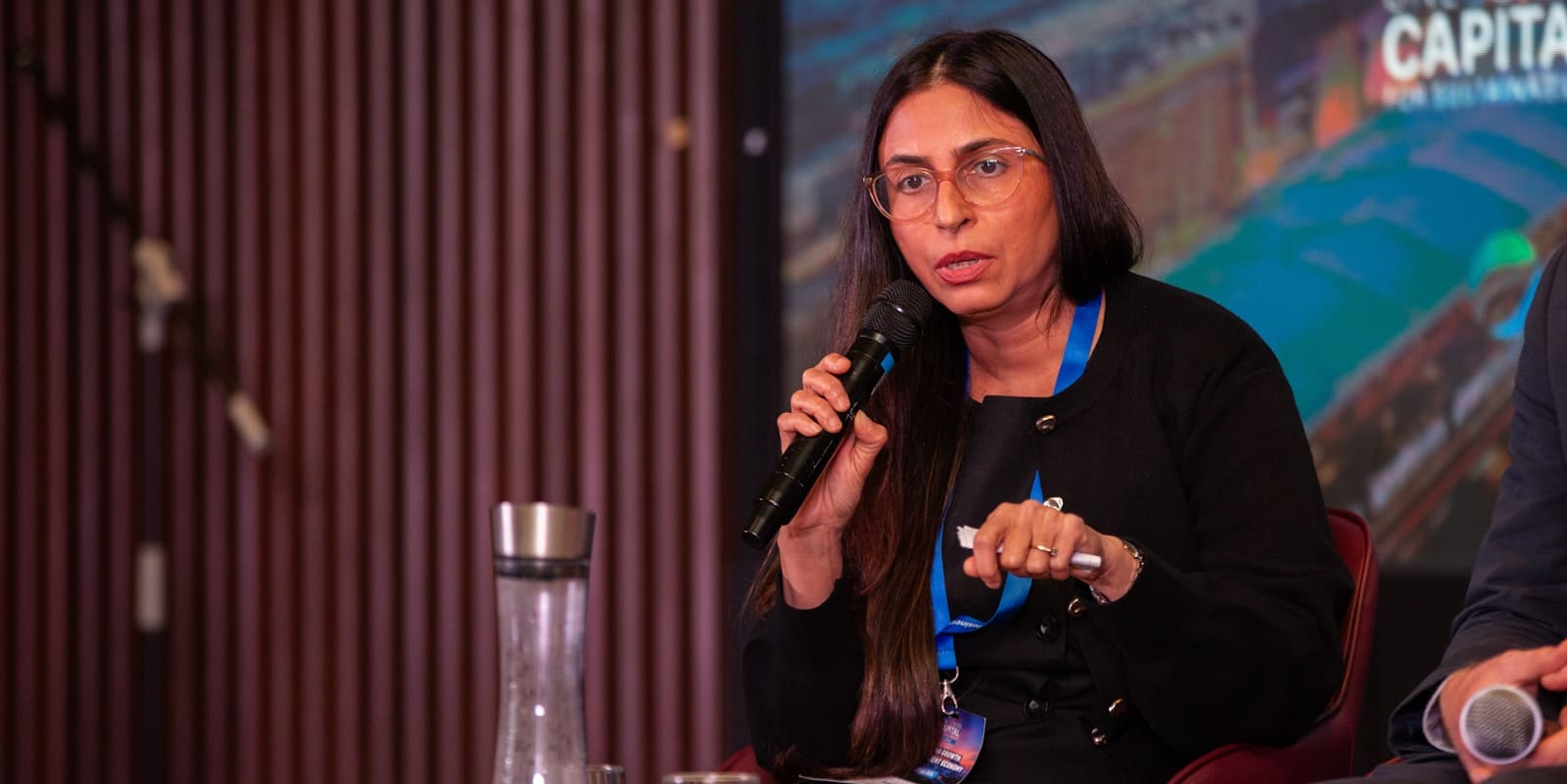
TOMRA, a Norway-based recycling technology firm active across Asia, has observed this pattern in multiple markets. Annupa Mattu Ahi, who leads the company's Asia and Middle East operations, noted at a sustainable finance forum in Kuala Lumpur in late July that voluntary frameworks may demonstrate corporate leadership but fail to create the level playing field necessary for economy-wide change.
Automated sorting systems, optical scanners, and data platforms can improve the speed and accuracy of recycling operations. Yet technology investments remain dependent on a clear national vision for resource recovery. Without that vision embedded in regulation, technology becomes an isolated capability rather than part of an integrated system.
Malaysia generates approximately 39,000 tonnes of solid waste daily, with most material ending up in landfills. The country operates more than 100 landfill sites; only 22 meet sanitary standards, while the remainder are open dumpsites. The Ministry of Housing and Local Government projects annual waste generation will reach 17 million tonnes by 2035 as consumption grows.
Fragmented Regulation
Malaysia's waste management system operates under split jurisdiction. The Solid Waste and Public Cleansing Management Act 2007 applies to seven states and federal territories in Peninsular Malaysia, mandating separation at source. Other states continue under the Local Government Act 1976, creating inconsistent rules across the country.
Pauline Goh, a member of the industry advisory board at Sunway University and former general manager of the Malaysian Recycling Alliance, described the legislative patchwork as a fundamental barrier. Households and businesses lack clarity on their obligations, and enforcement remains weak even where regulations exist. Penalties for non-compliance under the 2007 Act range from RM50 to RM500 per offence but have had limited deterrent effect.
The European Union has spent years building comprehensive circular economy frameworks covering product design, producer responsibility, and regulatory principles. Malaysia faces the task of adapting these models to local infrastructure and service delivery systems rather than adopting them wholesale.
Financing the Transition
A well-designed extended producer responsibility system can become financially self-sustaining over time. Producer fees collected through the scheme fund collection, sorting, and recycling operations. The challenge lies in financing the upfront capital required to establish the system before fee revenues begin flowing.
Lawrence Peters, programme analyst for climate change at the United Nations Development Programme Malaysia, pointed to blended finance and public-private partnerships as mechanisms to de-risk early-stage investments and attract private capital. Thematic bonds linked to measurable environmental or social outcomes represent another emerging tool.
Bank Pembangunan, Malaysia's development financial institution, has indicated it will take a catalytic role by funding approximately 20 percent of projects, with commercial banks expected to finance the remainder. Venture capital and private equity participation will be necessary to accelerate innovation and scale infrastructure.
Multilateral institutions including the World Bank, the International Finance Corporation, and the Asian Development Bank have capacity to support large infrastructure projects. The European Union's Global Gateway programme offers another potential financing avenue for Malaysia's circular economy build-out.
What Comes Next
Malaysia's transition from voluntary to mandatory extended producer responsibility will test whether policymakers can establish clear accountability while providing the regulatory certainty investors require. The country's fragmented legislative environment and weak enforcement record present obstacles, but the growing waste crisis creates urgency for action.
The success of the framework will depend on coordination across federal and state jurisdictions, alignment of technology investments with national resource recovery goals, and mobilization of both public and private capital. Producer fees will eventually sustain the system, but bridging the gap to that point requires strategic use of development finance and risk-sharing mechanisms.
Malaysia generates waste at a rate that will overwhelm existing landfill capacity within a decade. The shift to mandatory producer responsibility represents an opportunity to redirect capital toward infrastructure that captures value from discarded materials rather than burying them.
RELATED STORIES

Malaysia Breaks Ground on 500km Transmission Backbone to Unlock Renewable Capacity
Priyanka V. Rao · 3 min
Laos Hydropower Faces Solar and Wind Competition as Regional Grid Expands
Tran Quoc Bao · 4 min
Malaysia's Rare Earth Deposits Draw Foreign Interest Ahead of China Export Controls
Priyanka V. Rao · 3 min

Penang Captures 34% of Malaysia's Manufacturing Investment in First Half
Anand Sundaram · 2 min
Spot something wrong? Email editor@briefasia.com. We log every correction publicly.