Sustainability · Mobility
Malaysia's ChargEV to Deploy 800 Charging Points Across 14 States by Year-End
Yinson GreenTech's mobility arm is targeting underserved towns, office buildings and highways as EV registrations climb 85% in the first half of 2026
KEY TAKEAWAYS
- ·Yinson GreenTech plans to expand its chargEV network to 800 charging points across 14 Malaysian states by end-2026, up from 645 points currently.
- ·Malaysia's EV registrations grew 85.1 per cent in the first half of 2026 year-on-year, with June volumes roughly double those of May.
- ·ChargEV will launch a redesigned mobile app on July 28 featuring one-click charging, live updates and trip planning, with RM10 rewards for the first 5,000 users.
Network Expansion in High-Growth Market
Yinson GreenTech is accelerating the rollout of electric vehicle charging infrastructure across Malaysia, aiming to install 800 charging points in 14 states by the end of 2026. The company currently operates 645 charging points across 13 states through its mobility arm, chargEV, and is shifting its deployment strategy toward underserved locations where access remains limited.
Managing director Kelvin Soon outlined the company's expanded focus areas during a media briefing. The network will now extend beyond shopping malls to include office buildings, underserved towns and major highways. The North-South Highway, Malaysia's primary expressway corridor, will receive three to four additional charging locations this year to support long-distance travel.
Recent installations have brought charging infrastructure to locations including Merdeka 118, select AEON malls, TF Value-Mart outlets and smaller towns such as Gemas, Raub, Teluk Intan and Kuala Kangsar. The deployment pattern reflects growing demand in areas previously overlooked by charging network operators.
Demand Signals from Registration Data
Malaysia's EV market posted an 85.1 per cent increase in registrations for the first six months of 2026 compared to the same period in 2025, according to Yinson GreenTech. June 2026 registrations were particularly strong, with volumes roughly doubling from May levels.
Soon noted that highway charging demand has become more visible during holiday periods, when EV drivers travel to their hometowns. The company views this usage pattern as validation for its highway expansion strategy.
Yinson GreenTech also plans to expand its roaming partnerships from six to eight by year-end, broadening interoperability for users who rely on multiple charging networks.
Digital Overhaul for User Experience
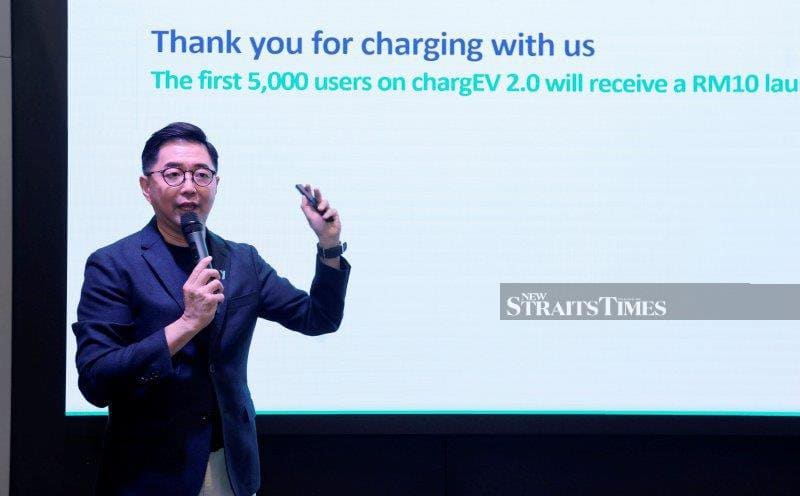
ChargEV will launch a redesigned mobile application, ChargEV 2.0, on July 28 via the Apple App Store and Google Play. The update introduces one-click charging, a feature called AutoCharge, enhanced navigation and trip planning tools, live charging status updates visible on device lock screens, and a centralised profile for managing memberships, payment methods and vehicle information.
Soon said the redesign was driven by customer feedback aimed at simplifying the charging process. The first 5,000 users to download the new application will receive an RM10 credit.
Starting August 1, 2026, eligible Maybank credit card-i users will be able to access rebates of up to 16 per cent when paying through the application. The offer combines an eight per cent rebate from chargEV and up to eight per cent cashback available with the Maybank myImpact card. The promotion runs through July 31, 2027.
Infrastructure and Adoption Trajectory
The expansion comes as Malaysia's EV ecosystem enters a phase marked by higher adoption rates and broader geographic distribution of users. Office building deployments address the needs of commuters who prefer to charge during work hours, while highway installations cater to intercity travel patterns that were less common in earlier stages of the market.
Yinson GreenTech's strategy reflects a shift from concentrating infrastructure in retail and urban centers to distributing capacity across regions where charging options remain sparse. The company has framed the move as part of its broader commitment to accelerating adoption by improving both physical infrastructure and digital access points.
The focus on underserved towns and highway corridors suggests that charging network operators are responding to usage data showing increased travel distances and diversification of EV ownership beyond major metropolitan areas. As registration volumes continue to climb, infrastructure buildout will likely remain a competitive priority for companies operating in Malaysia's charging sector.
RELATED STORIES
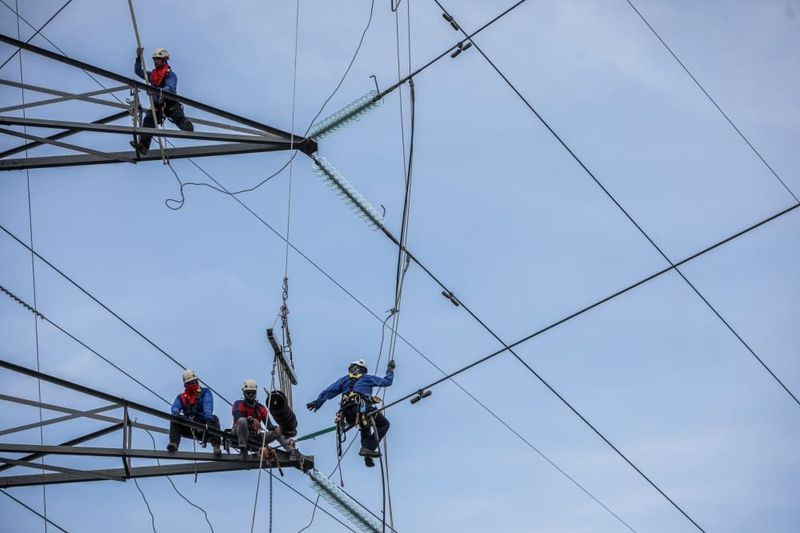
Malaysia Breaks Ground on 500km Transmission Backbone to Unlock Renewable Capacity
Priyanka V. Rao · 3 min

Laos Hydropower Faces Solar and Wind Competition as Regional Grid Expands
Tran Quoc Bao · 4 min
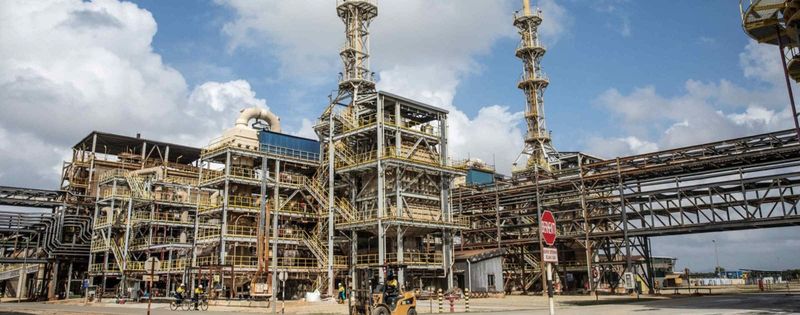
Malaysia's Rare Earth Deposits Draw Foreign Interest Ahead of China Export Controls
Priyanka V. Rao · 3 min

Penang Captures 34% of Malaysia's Manufacturing Investment in First Half
Anand Sundaram · 2 min
Spot something wrong? Email editor@briefasia.com. We log every correction publicly.