Finance · Deals
Makino Milling Machine Rejects Private Equity Takeover Over Foreign Investor Concerns
Tokyo machine tool maker cites difficulty obtaining government approval due to national security implications and defense equipment links
KEY TAKEAWAYS
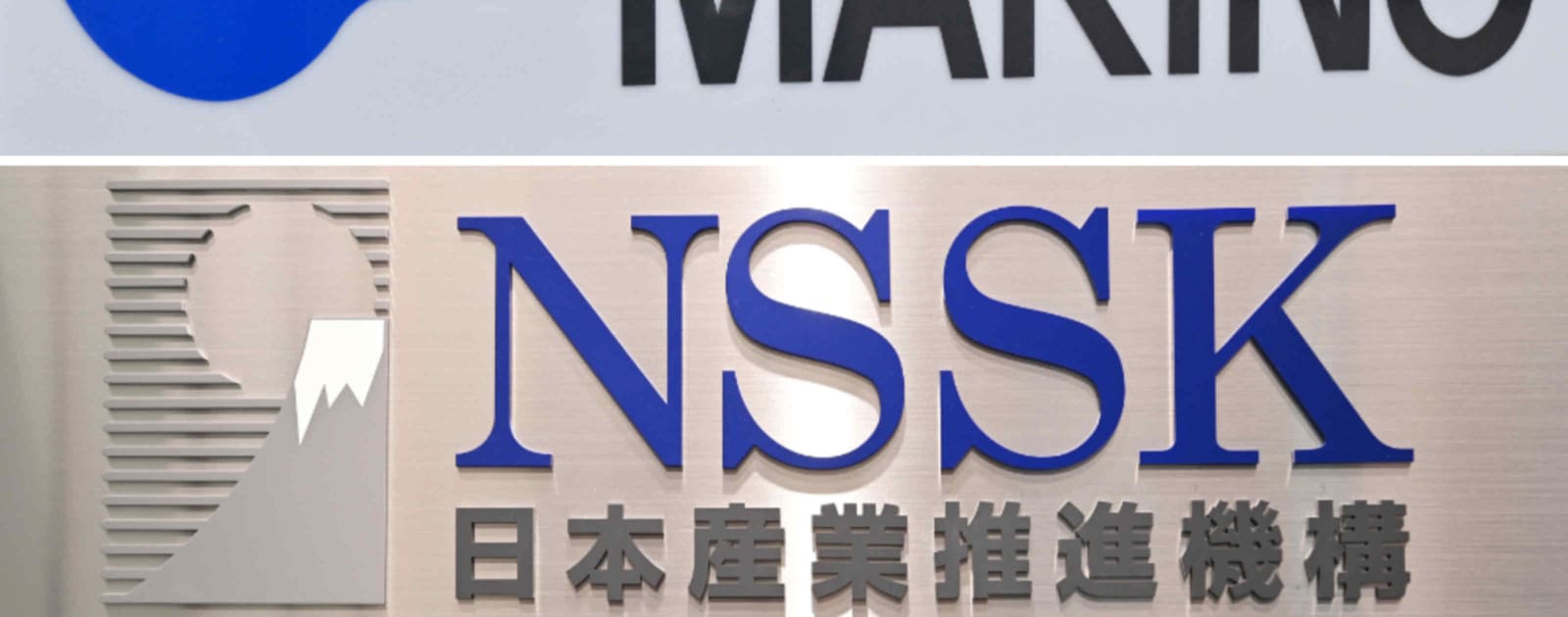
- ·Makino Milling Machine rejected a takeover proposal from Tokyo private equity firm NSSK due to foreign co-investor involvement that would complicate government approval.
- ·The machine tool maker's equipment is used in defense manufacturing, placing it under Japan's expanded foreign investment screening regime for national security.
- ·The rejection reflects broader trends across Asia where geopolitical concerns are narrowing the pool of viable acquirers for companies in sensitive industrial sectors.
Security Concerns Drive Rejection
Makino Milling Machine has turned away a takeover approach from Tokyo-based private equity firm NSSK, marking another instance where national security considerations have complicated deal-making in Japan's advanced manufacturing sector. The machine tool maker concluded that government clearance would prove difficult given the involvement of foreign co-investors in the proposed transaction.
The rejection underscores how geopolitical tensions are reshaping corporate M&A across Asia, particularly in industries with dual-use applications. Makino's machining equipment finds its way into defense equipment manufacturing, placing the company within the scope of Japan's foreign investment screening regime. That regulatory framework has grown more stringent as Tokyo aligns its economic security policies with broader concerns about technology transfer to strategic rivals.
Defense Links Complicate Dealmaking
Machine tool manufacturers occupy a sensitive position in Japan's industrial ecosystem. Their precision equipment enables production of components for aircraft, missiles, and other military hardware, making them subject to heightened government scrutiny under investment review processes. Makino announced its decision to reject the NSSK proposal, according to the company, pointing specifically to the composition of the investor group as the primary obstacle.
Private equity transactions in Japan increasingly involve cross-border capital, with foreign limited partners providing much of the funding even when domestic firms lead deals. This structure has collided with regulatory frameworks designed to prevent sensitive technology from flowing to geopolitical competitors. The Japanese government retains authority to block or unwind foreign investments in designated sectors, including those related to national security and critical infrastructure.
Broader Regulatory Trends
Japan has expanded its foreign investment screening in recent years, adding sectors and lowering thresholds that trigger mandatory filings. The changes mirror similar moves across developed economies, from the United States' CFIUS process to Europe's FDI screening mechanisms. In practical terms, this means private equity firms must now navigate not only commercial due diligence but also geopolitical risk assessments when pursuing targets in advanced manufacturing, semiconductors, and related fields.
The Makino case illustrates how these regulatory barriers can preempt deals before they reach formal government review. Rather than submit a proposal likely to face rejection or protracted scrutiny, the company and NSSK appear to have reached an early conclusion that the transaction lacked viability under current policy conditions. This dynamic is reshaping how dealmakers structure transactions, with some opting for minority stakes or carve-outs that fall below screening thresholds, while others avoid sensitive sectors altogether.
Implications for Japan's Industrial Consolidation
The failed approach to Makino comes as Japan's machine tool industry faces pressure to consolidate amid rising R&D costs and intensifying competition from Chinese manufacturers. Domestic firms have sought capital to fund automation upgrades and expand into adjacent technologies, creating opportunities for private equity. Yet the security overlay complicates this consolidation, particularly for mid-sized manufacturers with defense exposure but limited access to purely domestic capital pools.
For foreign investors, the message is increasingly clear: sectors touching national security remain largely off-limits unless structured with domestic majority control and credible commitments to keep technology onshore. Some funds have responded by raising Japan-focused vehicles with predominantly local LPs, while others have shifted attention to less sensitive industries such as consumer services and healthcare.
The Makino rejection also signals to other machine tool makers that similar transactions will face high hurdles. As governments across Asia tighten investment screening, the pool of viable acquirers for defense-adjacent companies is narrowing to strategic buyers and domestic-only financial sponsors. That trend may slow the pace of industrial consolidation in sectors where cross-border capital has historically played a significant role, with longer-term consequences for competitiveness and innovation.
RELATED STORIES
Yen Climbs to Eight-Month High as Rate Hike Expectations Shift Sentiment
Jun-ho Seo · 3 min

Japan Wage Growth Hits 29-Year High, Reinforcing Central Bank Rate Path
Aiko Nakamura · 3 min
SoftBank Prices ¥1 Trillion Retail Bond in Largest Offering Since 2020
Aiko Nakamura · 3 min
Japan Tightens Oversight of Cross-Border Lending to Shadow Banks
Aiko Nakamura · 2 min
Spot something wrong? Email editor@briefasia.com. We log every correction publicly.