Finance · Banking
Japan Tightens Oversight of Cross-Border Lending to Shadow Banks
Financial Services Agency to scrutinize Japanese banks' exposure to overseas nonbank lenders and real estate sectors amid rising credit risk concerns
KEY TAKEAWAYS
- ·Japan's Financial Services Agency is reviewing how domestic banks assess credit risks when lending to overseas nonbank lenders and real estate firms.
- ·The regulator will examine investment policies, project screening, and risk management for data center and property lending.
- ·The scrutiny reflects concern over Japanese banks' exposure to Asia's shadow banking sector and cross-border credit risks as interest rates rise.
Regulatory Spotlight on Offshore Exposure
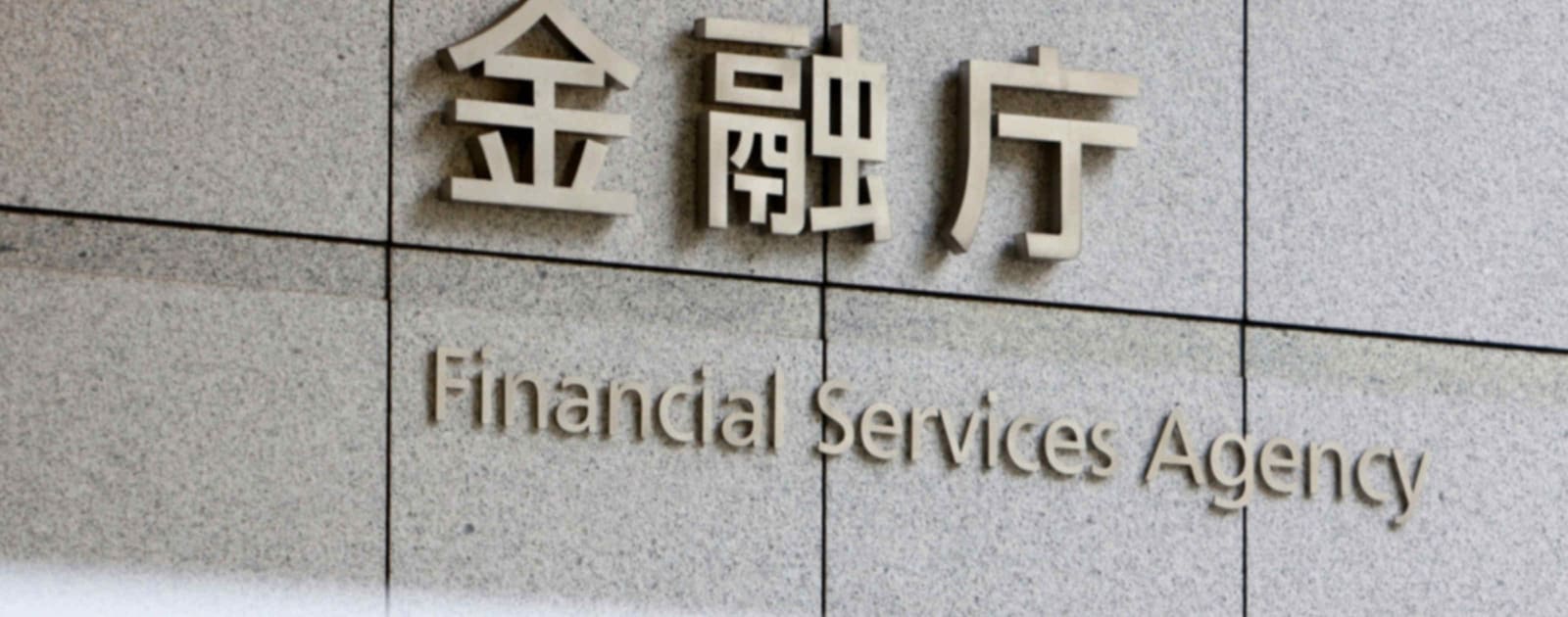
Japan's Financial Services Agency has begun examining whether domestic financial institutions are properly evaluating credit risks when lending to overseas nonbank financial companies and real estate firms. The move reflects growing regulatory unease over how Japanese banks assess counterparty risk in cross-border transactions, particularly as global interest rate environments shift and property markets face pressure across multiple Asian jurisdictions.
The FSA's review will focus on the adequacy of due diligence processes, risk modeling frameworks, and monitoring systems Japanese lenders employ when extending credit to shadow banking entities operating outside traditional regulatory perimeters. Nonbank lenders, which include private credit funds, specialty finance companies, and alternative asset managers, have grown rapidly across Asia over the past five years, often filling gaps left by conventional banks constrained by Basel III capital requirements.
Real Estate and Data Center Lending Under Review
Beyond shadow banking exposure, the regulator will also examine lending practices tied to real estate projects and data center developments. The FSA plans to review investment and lending policies, project screening methodologies, and risk management frameworks that Japanese institutions apply to these asset classes.
Data center financing has surged in Southeast Asia and India as cloud infrastructure demand accelerates, drawing significant capital from Japanese regional banks and trust banks seeking yield. However, the asset class carries concentration risk, technological obsolescence concerns, and counterparty exposure to hyperscale tenants whose credit profiles can shift rapidly.
Real estate lending scrutiny comes as property markets in China, Hong Kong, and parts of Southeast Asia face stress from higher borrowing costs and demand normalization. Japanese banks have substantial exposure to commercial real estate in these markets, both directly and through syndicated facilities with local developers and funds.
Asia's Shadow Banking Nexus
The regulatory push underscores Japan's role as a major capital provider to Asia's expanding shadow banking sector. Japanese megabanks and regional institutions have increasingly partnered with or lent to nonbank platforms in Singapore, Hong Kong, and Australia, attracted by spreads wider than domestic opportunities in a near-zero rate environment that persisted until recently.
Yet this capital flow has created opacity. Nonbank lenders often operate with lighter disclosure requirements, less frequent reporting, and business models that can concentrate risk in ways traditional banks avoid. The FSA's examination will likely probe whether Japanese lenders have visibility into the ultimate borrowers their nonbank clients serve, and whether covenant structures provide adequate protection if credit conditions deteriorate.
What Comes Next
The FSA has not announced a formal timeline for completing its review, nor has it signaled whether new guidelines or capital requirements will follow. However, the inquiry aligns with a broader pattern of Asian financial regulators tightening oversight of cross-border lending and alternative finance channels as monetary policy normalizes across the region.
For Japanese banks, the review may prompt internal audits of offshore loan books, stricter underwriting standards for nonbank counterparties, and potentially slower growth in cross-border specialty lending. It also signals that Tokyo is watching how its financial institutions navigate a shifting rate environment where the margin for error in credit assessment has narrowed considerably.
RELATED STORIES

SoftBank Pursues Record $6.3 Billion Retail Bond Offering in Japan
Cheng Wei-Lun · 3 min
ABN Amro Clearing to Break Into Japan's Power Futures Market
Tran Quoc Bao · 3 min

Bank of Japan Eyes Rate Increase as Inflation Risks Mount
Cheng Wei-Lun · 4 min

Bank of Japan Signals Possible Rate Increase This Month
Aiko Nakamura · 3 min
Spot something wrong? Email editor@briefasia.com. We log every correction publicly.