Asia · Trade
Kumamoto Quake Halts Toyota and TSMC Production in Japan's Kyushu Belt
A 7.1-magnitude earthquake disrupted automotive and semiconductor operations across a region that supplies two-fifths of Japan's industrial output, forcing Toyota to suspend three plants and TSMC to evacuate its Kumamoto fab.
KEY TAKEAWAYS
- ·Toyota suspended operations at three Kyushu plants producing 430,000 vehicles annually through July 31 after a 7.1-magnitude earthquake struck Kumamoto, while TSMC evacuated staff from its Japanese fab.
- ·Kyushu accounts for roughly 40 percent of regional industrial output in automotive and semiconductor sectors, creating compounding supply chain risks when natural disasters hit the concentrated manufacturing corridor.
- ·Economists estimate total economic losses below 1 trillion yen as factory shutdowns appear driven by worker safety precautions rather than catastrophic facility damage, suggesting faster recovery than the 2011 Tohoku quake.
Immediate Production Halts
Toyota suspended operations at three Kyushu plants through July 31 after a 7.1-magnitude earthquake struck Kumamoto on Tuesday, disrupting a manufacturing corridor that accounts for nearly 40 percent of the region's industrial output. The world's largest automaker halted production at its Miyata, Kanda, and Kokura facilities, citing ongoing aftershocks and the need to assess supplier networks and transport routes.
The Miyata plant alone produces approximately 430,000 vehicles annually, primarily Lexus luxury models. The Kanda and Kokura sites manufacture hybrid powertrains and engine components. Toyota had briefly resumed work after the initial quake before suspending operations again as the situation evolved.
Honda extended a shutdown at its Kumamoto motorcycle plant until July 31 to repair damage to factory infrastructure. The company did not specify production volumes affected.
Semiconductor Evacuations
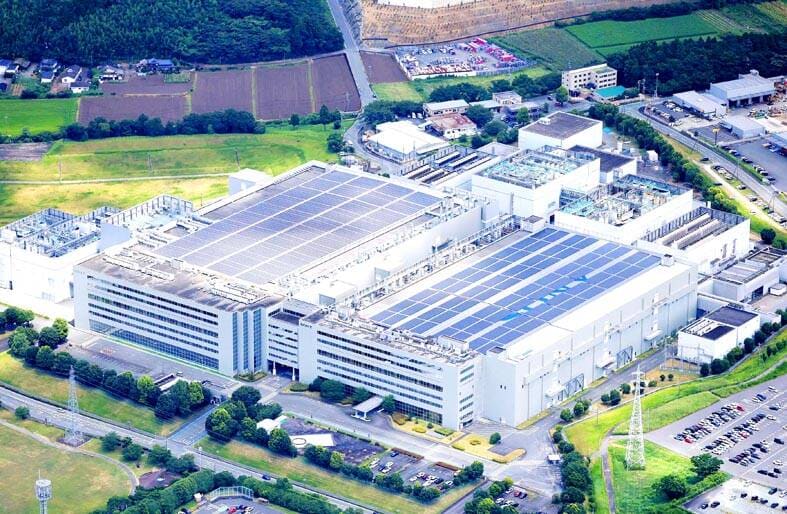
TSMC evacuated staff from the Kumamoto facility operated by its Japanese unit, Japan Advanced Semiconductor Manufacturing. All personnel were confirmed safe. The company is conducting facility inspections and damage assessments but has not disclosed a timeline for resuming operations.
The Kumamoto fab represents TSMC's first wholly owned production site in Japan and plays a strategic role in supplying automotive and industrial chip customers across Asia. The facility began volume production earlier this year.
Renesas Electronics halted operations at two Kumamoto plants after discovering fallen ceiling panels, wall cracks, and water leaks. The Japanese chipmaker has not announced a restart date. Sony Group evacuated employees and suspended work at its semiconductor operations in the prefecture, while Tokyo Electron reported no major damage at two local plants.
Regional Supply Chain Concentration
Kyushu has emerged as a concentrated hub for both automotive assembly and semiconductor fabrication, according to Japan's Ministry of Economy, Trade and Industry. The dual concentration creates compounding risks when natural disasters strike, though the immediate threat appears confined to worker safety rather than structural damage to production lines.
Nomura Research Institute executive economist Takahide Kiuchi estimated the economic impact would remain below 1 trillion yen, or approximately 6.1 billion USD. He characterized factory suspensions as precautionary measures rather than responses to catastrophic damage, predicting a relatively swift resumption of normal operations.
The assessment contrasts sharply with the 2011 Tohoku earthquake, which severed critical automotive supply chains and disrupted global production for months. That disaster exposed the fragility of just-in-time manufacturing networks and prompted industry-wide efforts to diversify sourcing and build inventory buffers.
Infrastructure and Logistics Challenges
The earthquake knocked out power to thousands of homes and damaged road networks across Kumamoto, complicating logistics even for facilities that escaped structural harm. Nissan, which operates a plant in Fukuoka north of the epicenter, said it had no immediate plans to suspend production of the Rogue SUV but was monitoring supplier access and transport conditions.
Toyota cited "daily changes" in the situation, including aftershock activity and recovery efforts, as reasons for extending its suspension. The automaker did not specify which tier-one or tier-two suppliers faced disruptions, though the concentration of parts makers in Kyushu suggests potential bottlenecks even if final assembly plants remain intact.
The Ministry of Economy, Trade and Industry has not released detailed assessments of infrastructure damage or estimated timelines for restoring full transport capacity. Kiuchi noted that residential and public infrastructure appeared to have sustained less damage than in recent major earthquakes, which should accelerate recovery efforts.
Asia Manufacturing Implications
The Kumamoto disruption arrives as Asia's manufacturing corridors face overlapping pressures from geopolitical tension, trade policy shifts, and capacity rebalancing. Kyushu's role as a dual hub for automotive and semiconductor production underscores the region's continued importance to global supply chains, even as companies pursue diversification strategies.
TSMC's Kumamoto investment, backed by Japanese government subsidies, reflects Tokyo's push to secure domestic chip capacity and reduce dependence on Taiwan-based production. The earthquake tests the resilience of that strategy and may influence future decisions about geographic concentration versus redundancy.
Toyota's swift suspension decision, reversing an earlier restart, signals heightened caution among manufacturers after years of supply chain shocks. The automaker has invested heavily in supplier mapping and risk assessment tools since 2011, enabling faster responses to disruptions but also creating pressure to halt operations at the first sign of uncertainty.
Kyushu's manufacturing base serves markets across Asia, with automotive exports flowing to Southeast Asia and China while semiconductor output feeds regional electronics assembly. Any extended disruption would ripple through those downstream networks, though current assessments suggest a measured timeline for recovery rather than prolonged outages.
RELATED STORIES
China Imposes Anti-Dumping Measures on Japanese Semiconductor Chemical Imports
Jun-ho Seo · 3 min
Malaysia's Rare Earth Deposits Draw Foreign Interest Ahead of China Export Controls
Priyanka V. Rao · 3 min

Mitsubishi Motors Brings Back Pajero SUV With Thailand Launch
Cheng Wei-Lun · 3 min

Berkshire Hathaway Eyes Larger Stakes in Japan's Top Trading Houses
Cheng Wei-Lun · 3 min
Spot something wrong? Email editor@briefasia.com. We log every correction publicly.