Lifestyle · Culture
KCON's 125,000-Strong LA Crowd Signals K-Beauty's Retail Expansion Beyond Pop Culture
CJ Group's festival, now in 14 cities globally, has evolved from music showcase into a commercial gateway for Korean skincare and cosmetics brands seeking U.S. market entry.
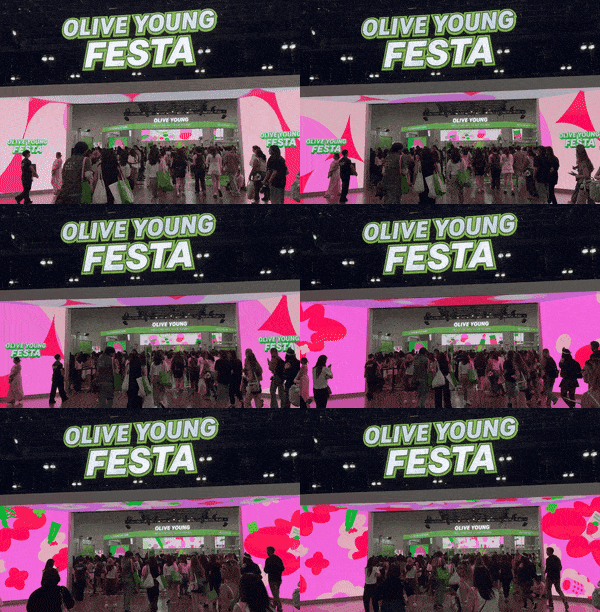
KEY TAKEAWAYS
- ·CJ Group's KCON festival has drawn 2.35 million cumulative attendees across 11 regions since launching in 2012, with last year's Los Angeles event attracting 125,000 visitors.
- ·Korean beauty brands use the convention floor to test U.S. consumer demand before securing permanent retail distribution with chains like Sephora and Target.
- ·The festival now operates in 14 cities including Tokyo, Bangkok, and Paris, with each edition tailored to local regulatory and consumer preferences.
From Music to Market
When CJ Group launched its first KCON event in Irvine, California in 2012, roughly 10,000 fans showed up for a lineup of Korean pop acts. The proposition was straightforward: bring emerging K-pop artists to North American audiences hungry for live performances. Fourteen years later, the festival has logged a cumulative 2.35 million attendees across 11 regions and 14 cities worldwide, according to CJ Group. Last year's Los Angeles edition alone drew 125,000 visitors.
The numbers tell part of the story. The other part lies in what attendees do between performances. While concert stages remain the headline draw, the convention floor has become a proving ground for Korean beauty and lifestyle brands testing U.S. consumer appetite. Skincare companies, cosmetics labels, and fashion retailers now occupy exhibition space alongside entertainment companies, turning the event into a hybrid commerce platform.
The Beauty Floor Advantage
Korean beauty brands have used KCON as a low-risk channel to gauge American demand before committing to permanent retail infrastructure. Attendees sample sheet masks, try cushion compacts, and purchase limited-edition products unavailable in U.S. stores. The festival's demographic skews young, digitally fluent, and willing to experiment with multi-step skincare routines that form the backbone of K-beauty's export appeal.
For brands, the event offers immediate feedback. Sales velocity, product queries, and social media engagement during the weekend provide data that would take months to gather through traditional market research. Several brands that debuted at early KCON editions have since secured distribution deals with Sephora, Ulta Beauty, and Target, though specific brand names and deal terms remain undisclosed by CJ Group.
The model mirrors Japan's approach in the 1980s and 1990s, when anime conventions doubled as soft-launch venues for Japanese consumer goods. Korean companies have refined the playbook, integrating e-commerce, influencer partnerships, and real-time inventory management into the festival experience.
Regional Expansion and Localization
KCON's geographic spread reflects broader patterns in Korean cultural exports. The festival now operates in Tokyo, Bangkok, Hong Kong, Sydney, and Paris, each edition tailored to local regulatory environments and consumer preferences. In Tokyo, beauty exhibitors emphasize ingredient transparency to align with Japan's stringent cosmetics standards. In Paris, brands highlight luxury packaging and dermatologist endorsements to appeal to European skepticism of trend-driven products.
Los Angeles remains the flagship event, benefiting from Southern California's large Korean-American population and proximity to entertainment industry decision-makers. The city's infrastructure can absorb the logistical demands of a six-figure attendance, from hotel capacity to public transit.
The Economics of Fandom
KCON operates on a sponsorship and ticketing model, with beauty brands paying for booth space and activation rights. Ticket prices range from general admission day passes to VIP packages that include artist meet-and-greets. CJ Group has not disclosed revenue figures, but industry observers estimate the Los Angeles event generates several million dollars in direct ticket and sponsorship income, excluding vendor sales.
The festival's value to participating brands extends beyond immediate sales. Attendance provides content for social media campaigns, user-generated reviews, and influencer partnerships that drive online traffic for months after the event. A brand's presence at KCON signals credibility within the Korean Wave ecosystem, a currency that matters to younger consumers who view K-beauty as part of a broader cultural affinity rather than a standalone product category.
What Comes Next
As KCON approaches its fifteenth year, the festival faces questions about scalability and market saturation. Attendance growth has plateaued in some cities, and competing events have emerged to capture the same demographic. Korean entertainment companies are also exploring direct-to-consumer channels, from dedicated pop-up stores to streaming concert experiences, which could reduce reliance on third-party platforms like KCON.
For now, the festival remains a barometer of Korean soft power's commercial reach. The 2.35 million cumulative attendees represent not just music fans but potential customers for an entire ecosystem of Korean goods. Whether that ecosystem can sustain growth without the tailwind of viral pop culture trends will determine KCON's relevance in the next decade.
RELATED STORIES
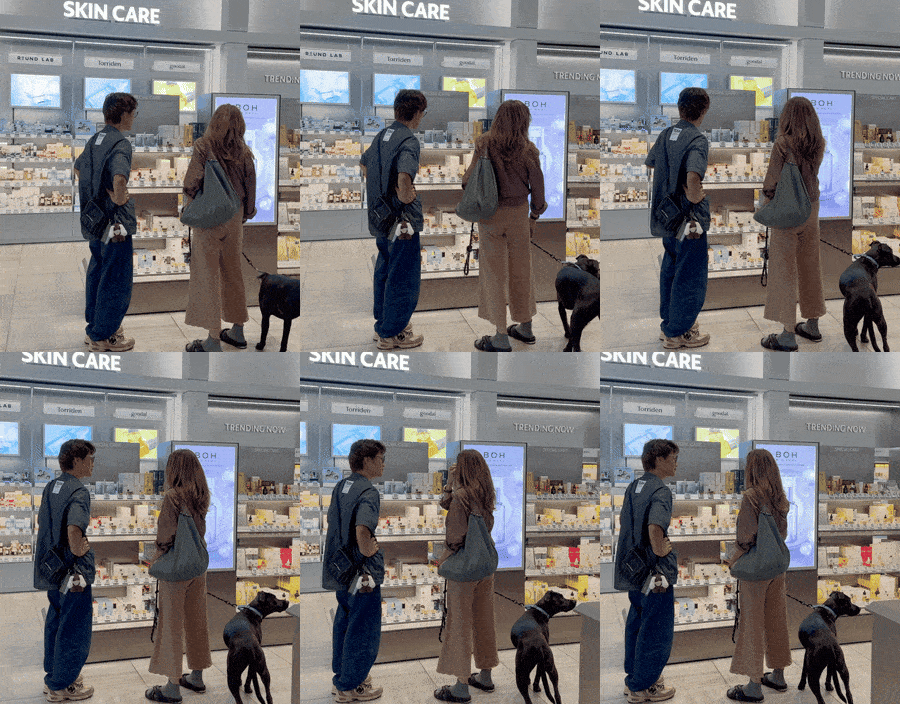
Olive Young Brings Korean Beauty Retail Experience to California
Priyanka V. Rao · 3 min
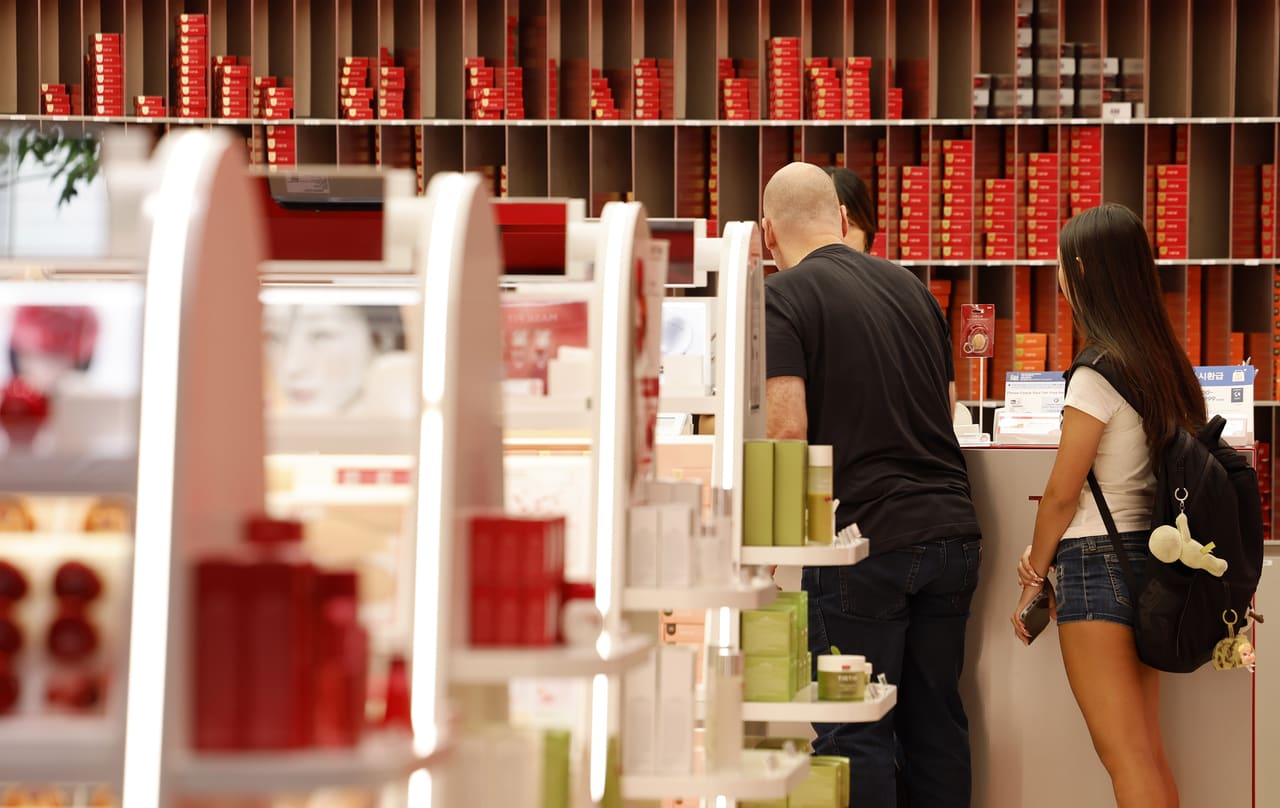
Korean Beauty Retail Fractures Beyond the Olive Young Template
Cheng Wei-Lun · 3 min

CJ Group Chairman Returns to KCON LA as US Strategy Intensifies
Jun-ho Seo · 3 min
Samsung's China Revenue Surpasses US Market as Memory Demand Climbs
Cheng Wei-Lun · 3 min
Spot something wrong? Email editor@briefasia.com. We log every correction publicly.