Lifestyle · Luxury
Olive Young Brings Korean Beauty Retail Experience to California
The South Korean cosmetics chain's Pasadena flagship mirrors its Seoul format, complete with interactive testing zones and curated product displays.
KEY TAKEAWAYS
- ·Olive Young opened an 803-square-meter store in Pasadena in May, its first US location outside Asia, mirroring the interactive format of its 1,300-plus Korean stores.
- ·The store uses open shelving and self-service testing zones instead of traditional beauty counters, allowing customers to compare products across brands without staff mediation.
- ·The Pasadena location serves as a test case for whether Korean beauty retail conventions can scale in the US market, with performance data informing future expansion decisions.
A Seoul Template Lands in Southern California
When shoppers step into the 803-square-meter store on Colorado Boulevard in Pasadena, they encounter an environment deliberately modeled on Olive Young's Korean locations. Staff greet arrivals with "Annyeonghaseyo" before switching to English, setting a tone that bridges markets. The layout follows the chain's established pattern: a corridor from entrance to rear wall, flanked by product displays organized by category rather than brand hierarchy.
Olive Young opened the location in May, marking its first physical retail presence outside Asia. The move tests whether the interactive discovery model that dominates South Korean beauty retail can translate to a market where department store counters and Sephora's prestige positioning have long shaped consumer expectations.
Interactive Zones Replace Traditional Counters
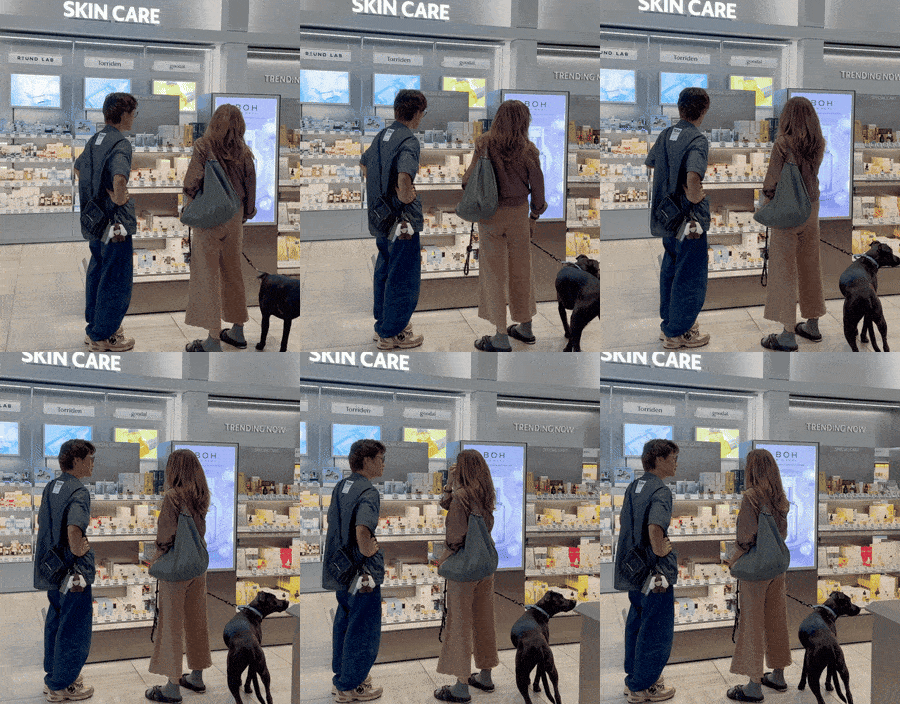
The Pasadena store eliminates the counter-based consultation format common in US beauty retail. Instead, products sit on open shelving with testers available at every turn. Customers pick up items, try textures on the back of their hands, and compare formulations without waiting for staff assistance. This self-directed browsing mirrors the experience in Seoul's Myeongdong district, where Olive Young operates multi-floor flagship locations that see thousands of daily visitors.
Dedicated testing stations occupy prominent floor space. Skincare categories like essences, serums, and sheet masks are grouped together, allowing direct comparison across brands. The store carries both established K-beauty exports and labels less familiar to American consumers, creating a product mix that skews toward variety over curation.
Adapting Format for US Retail Realities
Certain adjustments acknowledge the American retail environment. The corridor design differs slightly from Korean stores, where layouts tend toward denser product arrangements. Local regulations also shape the experience: unlike Seoul locations where sampling often involves generous product dispensing, the Pasadena store maintains tighter control over tester access to meet California health codes.
The store permits dogs on leashes, a concession to Southern California norms rarely seen in Asian retail spaces. Operating hours align with US mall culture rather than the late-night shopping windows common in Korean beauty districts.
K-Beauty's Physical Retail Bet
Olive Young's parent company CJ Olive Young has built a network of over 1,300 stores across South Korea, becoming the country's largest health and beauty chain. The brand functions as both retailer and tastemaker, with placement in its stores often determining whether a new Korean cosmetics label gains traction domestically.
The US market presents different dynamics. Korean beauty products have gained shelf space at Target, Ulta, and specialty retailers over the past decade, but distribution remains fragmented. No single chain occupies the gatekeeper role that Olive Young holds in Seoul. By opening a dedicated store, the company positions itself as the authoritative source for the category, curating an assortment that reflects current trends in Korean formulations and packaging.
Testing Ground for Expansion
The Pasadena location serves as a proof of concept. Its performance will inform whether Olive Young pursues additional US stores or adjusts its approach. The site selection itself signals intent: Pasadena's demographic mix includes both Asian American households familiar with K-beauty conventions and non-Asian consumers drawn to Korean skincare through social media and online channels.
Foot traffic patterns in the store's first months will reveal whether American shoppers embrace the self-service discovery model or prefer more guided experiences. Sales data will show whether the broad product range resonates or overwhelms customers accustomed to tighter edits.
Implications for Asian Retail Formats
Olive Young's entry adds to a broader pattern of Asian retail concepts establishing US footholds. Japanese chains like Muji and Uniqlo spent years adapting their formats before achieving scale. Daiso, the Japanese variety store, has expanded steadily through California and beyond. Each entrant tests how much localization is necessary and where authentic replication becomes an asset.
For K-beauty specifically, physical retail offers advantages that e-commerce cannot replicate. Texture, scent, and packaging feel matter in cosmetics purchasing decisions. A store environment allows impulse discovery in ways that algorithm-driven recommendations do not. Whether that justifies the overhead costs of US retail real estate remains an open question, one the Pasadena store is designed to answer.
RELATED STORIES
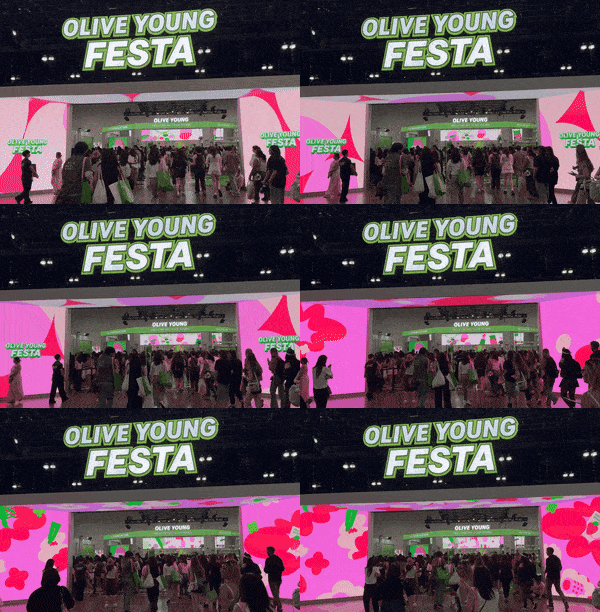
KCON's 125,000-Strong LA Crowd Signals K-Beauty's Retail Expansion Beyond Pop Culture
Jun-ho Seo · 3 min
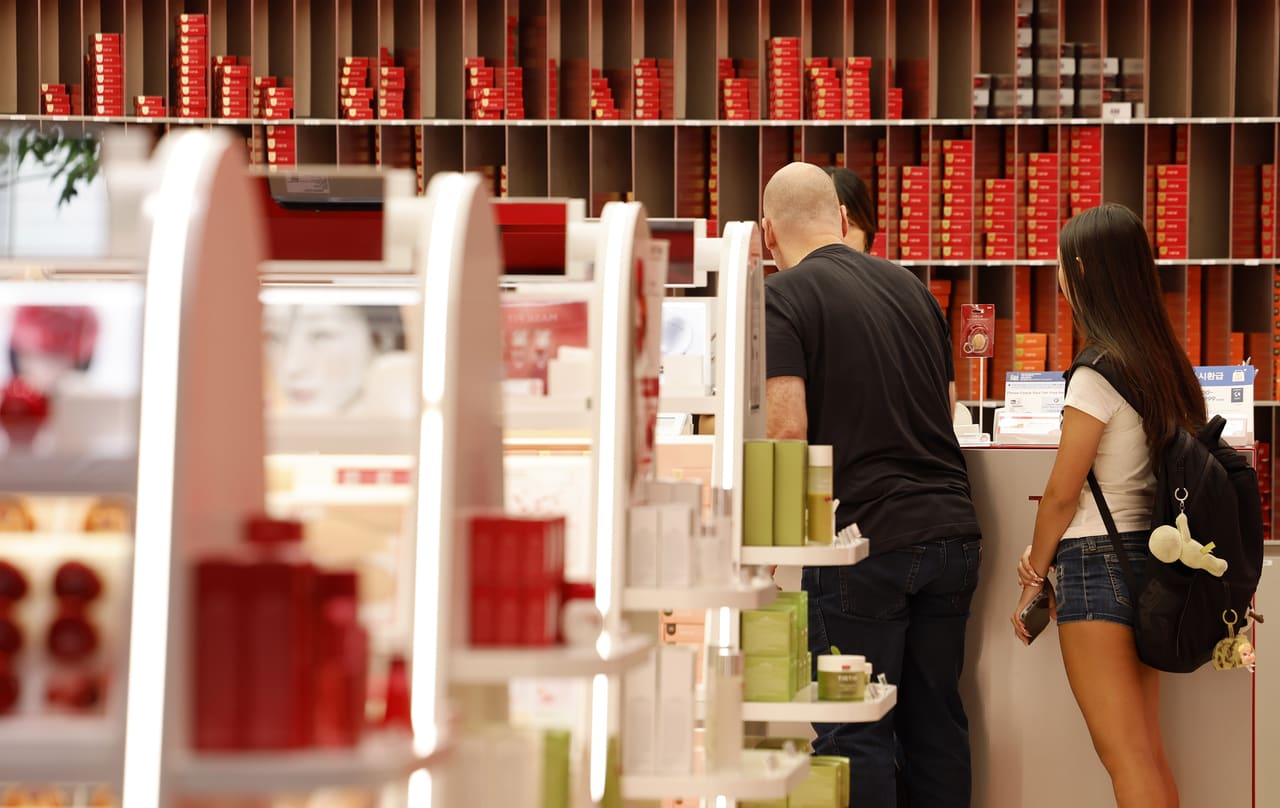
Korean Beauty Retail Fractures Beyond the Olive Young Template
Cheng Wei-Lun · 3 min
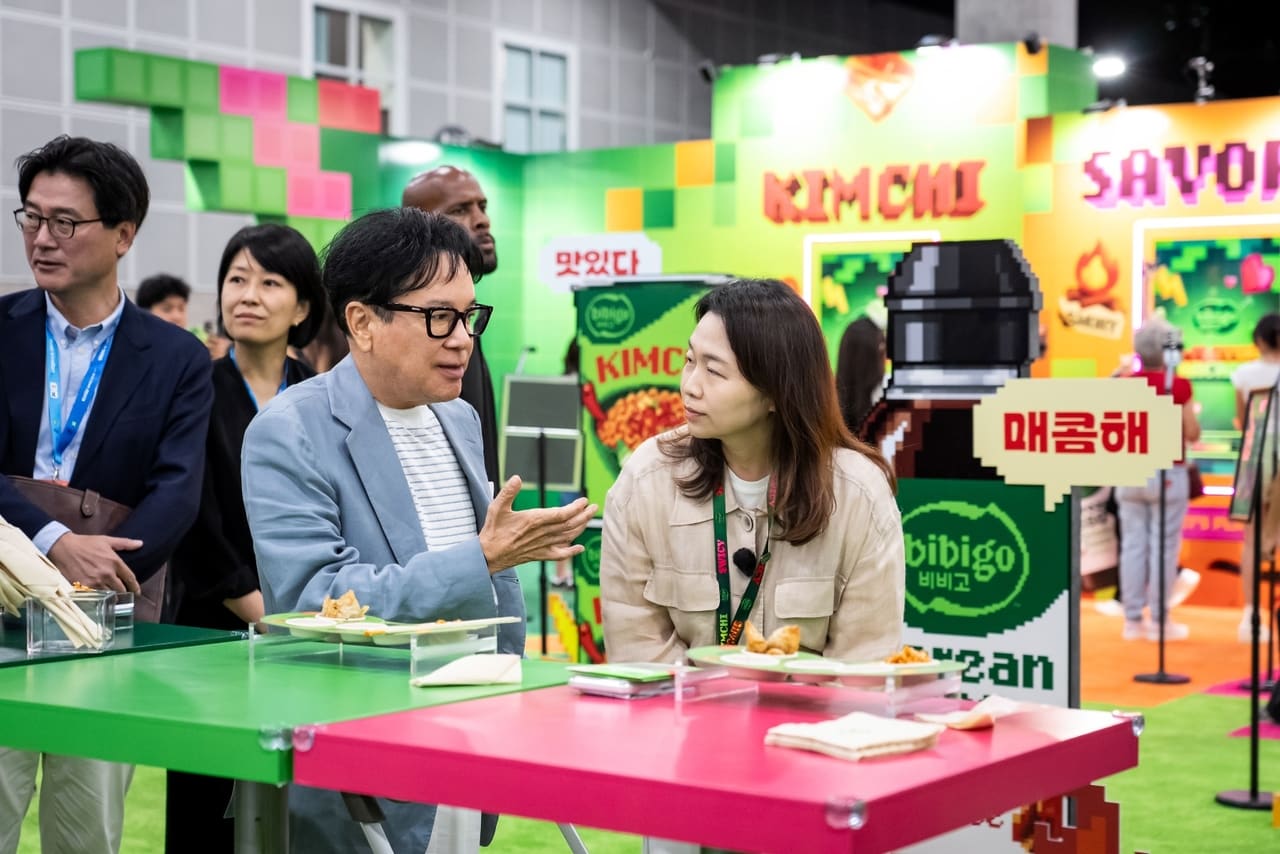
CJ Group Chairman Returns to KCON LA as US Strategy Intensifies
Jun-ho Seo · 3 min

HD Hyundai Electric Builds Korea's First SF6-Free Circuit Breaker for European Grid Market
Cheng Wei-Lun · 3 min
Spot something wrong? Email editor@briefasia.com. We log every correction publicly.