Sustainability · Energy
Japan's Offshore Wind Push Hits Financial Turbulence as BP Withdraws
Rising project costs threaten the viability of Japan's renewable energy cornerstone as international partners reconsider commitments
KEY TAKEAWAYS
- ·BP has exited offshore wind projects in Japan as construction costs climb and threaten project viability across the sector.
- ·Rising expenses stem from deep-water engineering requirements, typhoon resilience demands, and shortages of specialized installation vessels.
- ·Japan targets 10 gigawatts of offshore wind by 2030, but declining tariff rates and cost inflation are widening the gap between policy ambition and financial reality.
A Strategic Pillar Under Pressure
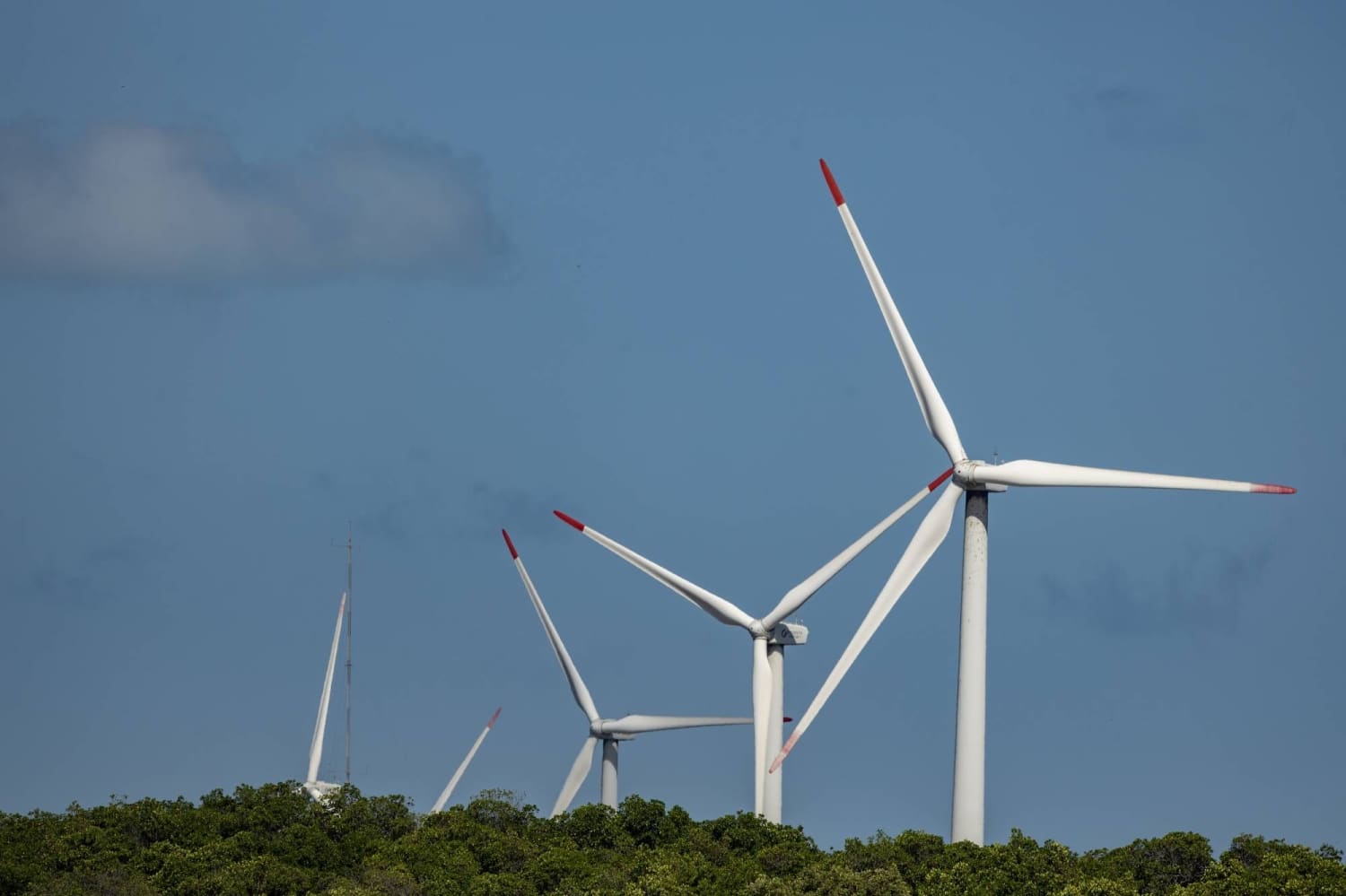
Japan's offshore wind ambitions are colliding with economic reality. BP's withdrawal from multiple wind projects marks the latest setback for a sector Tokyo has positioned as central to its decarbonization roadmap. The departure of a major international energy company signals deeper structural challenges in an industry that has struggled to translate government targets into bankable assets.
The timing compounds existing headwinds. Construction costs for offshore installations in Japanese waters have climbed steadily over the past eighteen months, driven by supply chain constraints, specialized vessel shortages, and the technical demands of building in typhoon-prone seas with deep water profiles. These factors have turned what were already expensive projects into financial question marks for developers and their backers.
BP's exit follows a pattern visible across Asia's offshore wind sector, where early enthusiasm has given way to cold-eyed financial scrutiny. The company has not disclosed specific reasons for its withdrawal, but industry observers point to a familiar combination: project economics that looked marginal at the outset now appear underwater as capital costs rise and grid connection timelines stretch.
The Cost Equation
Japan's offshore wind sector operates under constraints few other markets face. Water depths along much of the country's coastline exceed those in Europe's North Sea, requiring floating platforms rather than fixed-bottom turbines. That technology remains expensive and less proven at scale. Typhoon resilience adds another layer of engineering complexity and cost.
Construction vessel availability represents a persistent bottleneck. Japan has limited domestic capacity for the specialized ships needed to install large offshore turbines, and securing vessels from Europe or Taiwan adds mobilization costs and scheduling uncertainty. Lead times for key components, from nacelles to subsea cables, have extended as global demand outstrips manufacturing capacity.
These pressures arrive as Japan's feed-in tariff rates for offshore wind have declined in successive auction rounds. The government has sought to drive cost reductions through competition, but the gap between auction prices and actual project costs has widened rather than narrowed. Developers now face the prospect of locking in revenue at rates that may not cover construction, let alone deliver returns sufficient to attract equity or debt financing.
Policy Ambitions Meet Market Reality
Tokyo has set a target of 10 gigawatts of offshore wind capacity by 2030 and 30 to 45 gigawatts by 2040, figures that would transform Japan into one of Asia's largest offshore wind markets. Achieving those numbers requires not only construction at unprecedented speed but also a pipeline of projects with credible financing.
BP's departure removes both capital and technical expertise from that pipeline. While Japanese utilities and trading houses remain committed, the loss of international partners narrows the pool of experience and balance sheet capacity available to absorb project risk. It also raises questions about whether other foreign developers will follow, particularly those without existing energy infrastructure in Japan to justify strategic patience.
The government has responded with measures to streamline permitting and improve grid access, but these administrative fixes do not address the core cost problem. Without either higher tariff support or breakthroughs in construction efficiency, many projects on the drawing board may struggle to reach financial close.
What Comes Next
The offshore wind sector in Japan now faces a credibility test. If several high-profile projects stall or fail to secure financing in the coming year, momentum could shift decisively. Conversely, if Japanese utilities and their partners can demonstrate cost control and execution discipline on the handful of projects already under construction, confidence may stabilize.
BP's exit is unlikely to be the last. As global capital becomes more selective and interest rates remain elevated, marginal projects in difficult markets will continue to face scrutiny. For Japan, the challenge is to prove that offshore wind can move from policy aspiration to industrial reality, even as the financial weather turns rough.
RELATED STORIES
ABN Amro Clearing to Break Into Japan's Power Futures Market
Tran Quoc Bao · 3 min
Malaysia's Rare Earth Deposits Draw Foreign Interest Ahead of China Export Controls
Priyanka V. Rao · 3 min

Bank of Japan Prepares Third Rate Increase in Ten Months
Aiko Nakamura · 3 min

Japan's Megabanks Launch Digital Services to Capture SME Business
Aiko Nakamura · 3 min
Spot something wrong? Email editor@briefasia.com. We log every correction publicly.