Finance · Markets
Japan Deploys $59 Billion to Defend Yen as Currency Hits Four-Decade Low
Central bank data signals Tokyo's largest single-day intervention in three months as officials battle currency weakness ahead of policy decision
KEY TAKEAWAYS
- ·Japan deployed an estimated $58.97 billion Thursday to support the yen after it weakened to 157.80 per dollar, the first such intervention since April.
- ·The move preceded a Bank of Japan policy decision that held rates at 1 percent while signaling further tightening, as the yen hit its weakest level since 1986.
- ·Despite spending a record 11.7 trillion yen in April and May, the currency resumed its decline within weeks, raising questions about intervention effectiveness amid persistent rate differentials.
Tokyo Returns to FX Markets
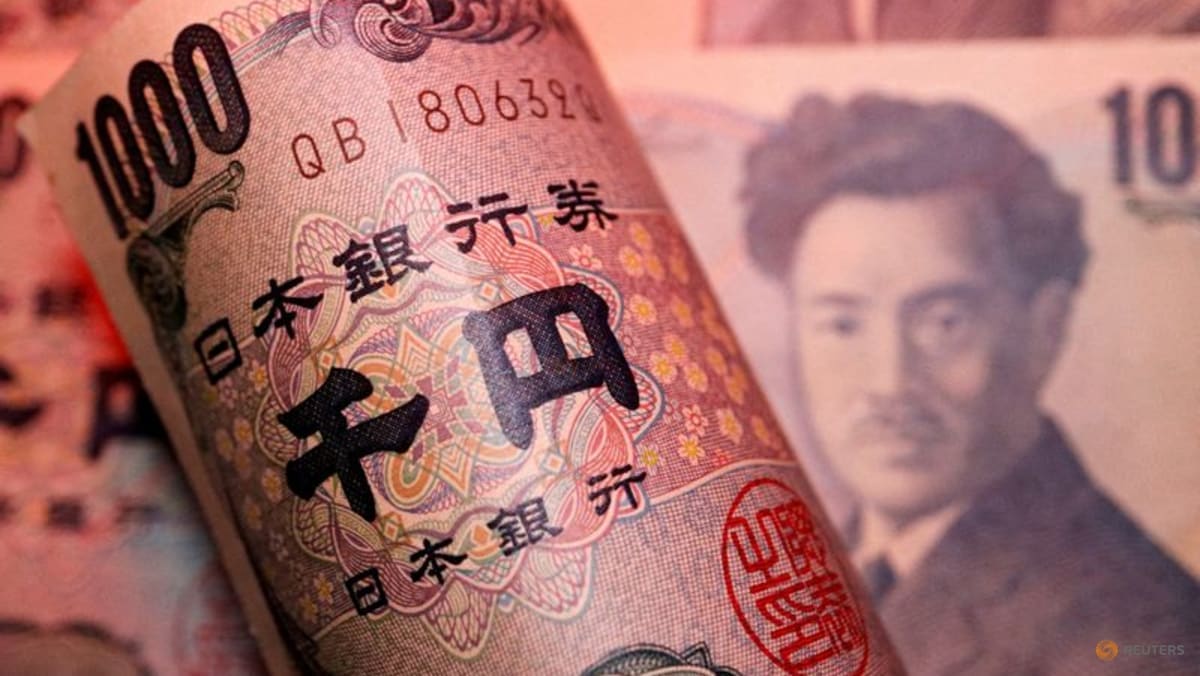
Japan stepped into foreign exchange markets Thursday with what appears to be a $58.97 billion intervention, according to Bank of Japan projections released Friday. The move represents Tokyo's first direct currency defense since April and came as the yen touched 157.80 against the dollar in New York trading.
The intervention's scale emerged from BOJ money market forecasts showing an 8.2 trillion yen net outflow, far exceeding analyst projections that ranged from a 1.4 trillion yen surplus to a 1.73 trillion yen shortfall. When the central bank buys yen, it drains liquidity from markets; outsized fund gaps typically signal intervention activity.
The timing proved deliberate. Japanese authorities acted hours before the BOJ concluded its July policy meeting Friday, at which the central bank held rates steady at 1 percent but signaled further tightening ahead. That policy rate, raised to a 31-year high in June, has done little to arrest the yen's slide.
Four Decades of Weakness
The yen reached 163.99 per dollar last week, its weakest level since 1986. Currency weakness accelerated after energy prices spiked following escalation of conflict in Iran, compounding import costs for a nation that relies heavily on overseas energy supplies. Rising living costs have turned currency policy into a domestic political issue.
Japan spent a record 11.7 trillion yen between late April and early May defending the currency, yet the respite proved temporary. The yen resumed its downward path within weeks, prompting renewed debate over whether intervention can work when interest rate differentials favor the dollar.
Market participants have pressed the BOJ to accelerate rate increases. The central bank's gradualist approach, intended to avoid shocking an economy only recently emerged from deflation, has left Japanese yields far below U.S. levels. That gap continues to pull capital out of yen-denominated assets.
Intervention Signals in Real Time
Traders detected Thursday's operation through sharp, sudden moves in the dollar-yen pair during New York hours. The currency jumped more than two yen in minutes, a pattern consistent with official selling of dollars. By Friday morning in Tokyo, the yen had given back some gains, trading near 155 per dollar.
A second round of volatility hit European trading hours Friday, with the yen briefly surging again. Dealers remained on alert for follow-up action, a common pattern when Tokyo seeks to reinforce its message that disorderly moves will be resisted.
The BOJ does not immediately confirm interventions. Official data typically arrives weeks later through Ministry of Finance reports. Market participants rely on central bank liquidity forecasts and trading patterns to estimate the size and timing of operations in real time.
Policy Crossroads
Friday's BOJ decision to hold rates while signaling future hikes reflects the central bank's balancing act. Governor Kazuo Ueda has emphasized data dependence, watching wage growth and inflation trends to determine the pace of normalization. Inflation has held above the BOJ's 2 percent target for more than two years, driven partly by yen weakness.
The intervention underscores limits of monetary policy alone. Even as the BOJ raised rates three times since exiting negative territory in March, the yen continued to weaken because U.S. rates remain significantly higher. Federal Reserve policy, not BOJ moves, has been the dominant force in the currency pair.
Japan's foreign exchange reserves, the world's second largest after China, provide ample firepower for interventions. The country held $1.26 trillion in reserves as of June. Yet the effectiveness of unilateral intervention remains contested among economists, particularly when underlying rate differentials persist.
Regional Implications
Yen weakness ripples across Asia. A cheaper yen makes Japanese exports more competitive, pressuring manufacturers in South Korea, Taiwan, and China. It also affects tourism flows and capital allocation decisions across the region. Several Asian central banks have faced their own currency pressures this year as the dollar strengthened broadly.
Tokyo's willingness to intervene despite limited success in previous rounds signals the depth of official concern. With energy import bills rising and households squeezed, currency policy has become inseparable from domestic economic stability. Whether repeated interventions can achieve more than temporary relief remains the central question facing Japanese policymakers.
The yen's trajectory will likely hinge on U.S. monetary policy and whether the Fed begins cutting rates later this year. Until that shift occurs, Japan may find itself returning to markets repeatedly, deploying reserves to slow a decline driven by forces largely beyond its control.
RELATED STORIES

Bank of Japan Eyes Rate Increase as Inflation Risks Mount
Cheng Wei-Lun · 4 min
Yen Climbs to Eight-Month High as Rate Hike Expectations Shift Sentiment
Jun-ho Seo · 3 min

Japan Wage Growth Hits 29-Year High, Reinforcing Central Bank Rate Path
Aiko Nakamura · 3 min
Bank of Japan Signals Possible Rate Increase This Month
Aiko Nakamura · 3 min
Spot something wrong? Email editor@briefasia.com. We log every correction publicly.