Lifestyle · Health
Indonesia's Hidden Health Crisis: How Fortified Nutrition Could Break the Anemia Cycle
With nearly a quarter of Indonesian children under five affected by iron deficiency anemia, food manufacturers are turning to clinical research to address a threat that undermines learning and economic potential.
KEY TAKEAWAYS
- ·Iron deficiency anemia affects 23.8 percent of Indonesian children under five and 27.7 percent of pregnant women, threatening cognitive development and future workforce productivity.
- ·Research shows children with iron deficiency score lower on working memory tests, and fewer than 10 percent of Indonesian children under five receive anemia screening.
- ·Danone Indonesia has deployed a three-pillar strategy combining public education, university research partnerships producing over 40 publications, and a digital screening tool that has assessed more than one million individuals.
The Silent Epidemic
Fatigue, pale skin, recurring illness. These symptoms barely register for many Indonesian parents, yet they signal a condition that quietly erodes children's futures. Iron deficiency anemia touches 23.8 percent of children under five and 27.7 percent of pregnant women across Indonesia, a burden that translates to millions facing impaired brain development during the most critical growth window.
Dian Novita Chandra, a nutrition specialist at the University of Indonesia's Faculty of Medicine, describes the condition as inherently deceptive. By the time families recognize the signs, damage to cognitive function may already be underway. The stakes extend beyond individual health: the World Health Organization warns that nations where anemia prevalence exceeds 20 percent will struggle to build human capital and reach sustainable development targets.
Cognitive Costs
Elementary school research involving Indonesian students revealed measurable performance gaps tied to iron status. Children diagnosed with the deficiency scored lower on working memory assessments, a cognitive domain essential for classroom learning and later workforce participation. Ray Wagiu Basrowi, Medical and Scientific Affairs Director at Danone Indonesia, points to these findings as evidence that micronutrient gaps create ripple effects across generations, limiting educational attainment and economic mobility.
The condition concentrates its impact during the first 1,000 days of life, when brain architecture takes shape. Dian, who also leads the Indonesian Nutritionists Association, emphasizes that intervention must begin before symptoms surface. Yet national screening rates remain stubbornly low: fewer than 10 percent of children under five undergo testing, leaving the majority of cases invisible to the healthcare system.
Manufacturing Response
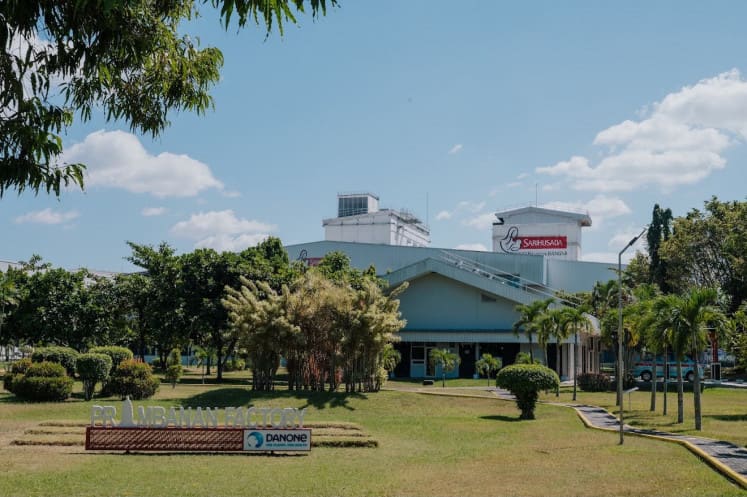
Inside the Sarihusada facility in Prambanan, Klaten, Central Java, pharmaceutical-grade production lines churn out fortified milk powder designed to close nutritional gaps. The 15-hectare site, which reserves two-thirds of its footprint for green space, combines automated blending systems with supplier audits and multilayer packaging protocols to maintain ingredient integrity from raw material arrival through final sealing.
Lastiani Rosalina, Factory Director for Danone Specialized Nutrition's East Region operations, walks through enclosed production zones where oxygen and light exposure are minimized. Raw materials arrive from certified vendors subject to regular compliance checks. Even the landscaping reflects contamination risk management: fruit trees are banned from factory grounds to avoid attracting birds and insects.
The facility's output includes SGM Eksplor, a product line rooted in a 1965 clinical trial conducted by pediatrician Prof. T. B. Siang at Cipto Mangunkusumo Hospital. That ten-month study enrolled over 1,000 children to develop Indonesia's first locally researched formula. Since Danone's 2008 entry into Sarihusada, the product has evolved through a global network of more than 400 scientists operating across research hubs in the Netherlands, Singapore and Indonesia.
The IronC Approach
The company's core nutritional strategy centers on pairing iron with vitamin C, a combination clinically shown to double absorption rates compared to iron alone. SGM Eksplor 1+ incorporates this IronC formulation alongside omega-3 from tuna fish oil, calcium, vitamin D, protein and dietary fiber, targeting the transitional period when toddlers move from breast milk to solid foods.
Dian notes that daily meals often fall short during this phase, when nutritional requirements spike. While physicians typically prescribe iron supplements and recommend diets rich in red meat, fish, poultry and leafy greens, population-level solutions demand broader infrastructure. Vitamin C-rich foods can enhance uptake, but naturally occurring phytates in plant-based staples may block absorption, complicating dietary strategies.
Three-Pillar Framework
Danone Indonesia has constructed a response spanning education, research and screening. The first component delivers nutrition guidance to pregnant women and their families through healthcare workers, emphasizing balanced diets and adequate iron intake. The second pillar funds university partnerships that have generated more than 40 peer-reviewed publications on anemia and micronutrient science. One study conducted with Gadjah Mada University has been adopted by the Health Ministry as a blueprint for school-based prevention programs.
The third element addresses the screening gap through a digital tool called the Iron Calculator, hosted on the company's iNutri platform. The questionnaire estimates anemia risk without blood draws, a feature that has enabled more than one million assessments of pregnant women and young children nationwide. Ray argues that medication alone cannot solve the problem; early identification allows intervention before cognitive deficits take hold.
Environmental Footprint
The Prambanan factory draws energy from biomass boilers fueled by rice husks and rooftop solar arrays, part of Danone's effort to reduce carbon emissions while scaling production. The site sits along the Yogyakarta-Solo highway, occupying 4.5 hectares of built structures within its larger landholding.
Sarihusada's origins trace to 1954, when the Indonesian government and UNICEF established NV Saridele in Muja Muju, Yogyakarta, to combat post-independence malnutrition and protein scarcity among mothers and children. As demand for fortified products grew, operations shifted to the current Prambanan location, which now anchors Danone Specialized Nutrition Indonesia's manufacturing network.
The challenge ahead remains substantial. With millions of children and women still affected, closing the anemia gap will require sustained collaboration among food manufacturers, healthcare providers, researchers and policymakers. For now, Indonesia's response hinges on a combination of clinical science, industrial capacity and public education, each element working to interrupt a cycle that has persisted for decades.
RELATED STORIES
Indonesia's Carbon Market Needs Tighter Rules to Reach $40 Price Target
Lim Hui Ying · 3 min
Indonesia's Renewable Energy Capacity Faces AI Data Centre Test
Tran Quoc Bao · 3 min

Indonesia Charges Toba Pulp Lestari in $113 Million Tax Fraud Probe
Siti Nuraini · 3 min
Indonesia Faces Critical Choice Between Resource Control and Industrial Growth
Tran Quoc Bao · 3 min
Spot something wrong? Email editor@briefasia.com. We log every correction publicly.