Asia · Business
India's State Fuel Giants Absorb $1.9 Billion Hit to Shield Consumers from Iran Crisis
Three government-controlled retailers post combined quarterly losses as geopolitical tensions drive crude prices higher, testing New Delhi's energy subsidy strategy
KEY TAKEAWAYS
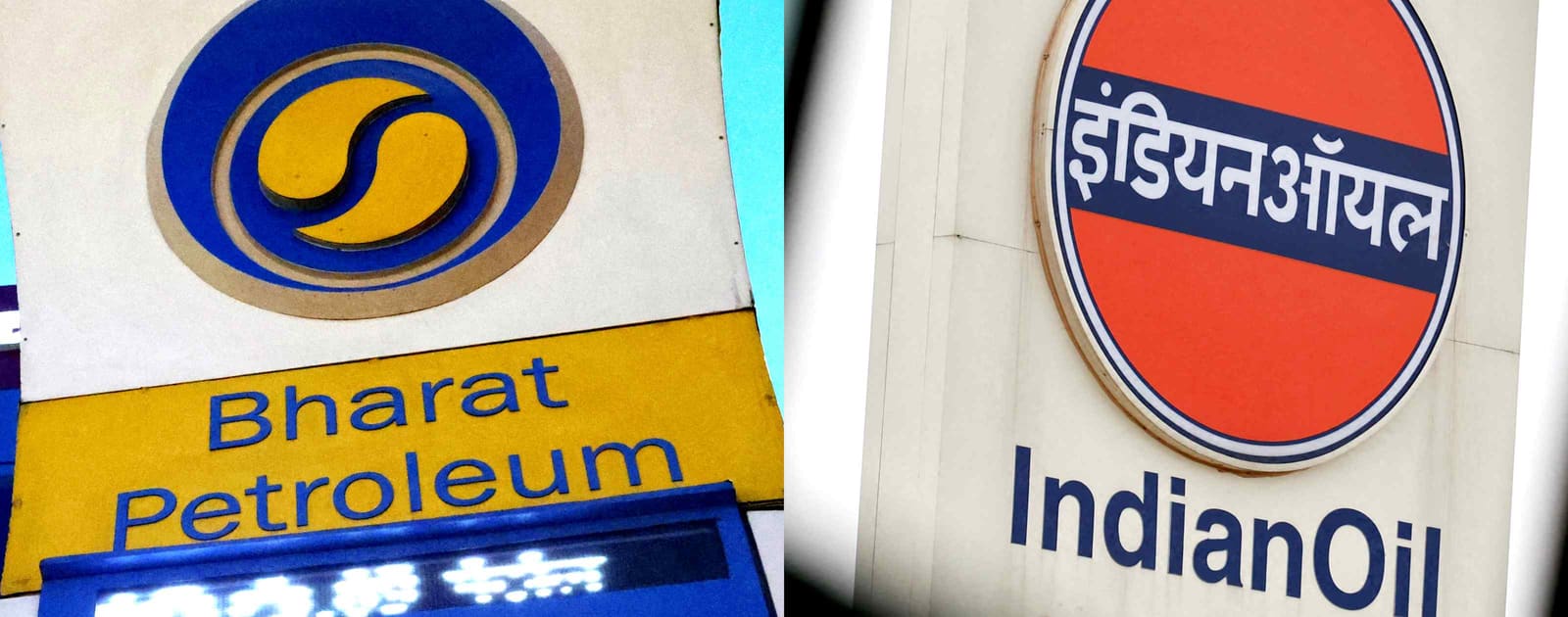
- ·India's three state-controlled fuel retailers reported combined losses of $1.9 billion in the April-June quarter, absorbing higher crude costs driven by U.S.-Iran geopolitical tensions.
- ·The companies, controlling 90 percent of India's fuel distribution through 90,000 outlets, kept pump prices stable to manage voter-sensitive inflation ahead of state elections.
- ·Demand for petrol and diesel rose despite elevated prices, highlighting India's structural road transport dependence and limited near-term alternatives for consumers and commercial operators.
The Price of Political Stability
India's three state-controlled fuel retailers posted combined losses of 181.49 billion rupees ($1.90 billion) during the April-June quarter, underscoring the fiscal cost of New Delhi's decision to shield domestic consumers from volatile energy markets. The companies, which together operate roughly 90,000 retail outlets and control nine-tenths of the country's fuel distribution network, have historically functioned as de facto instruments of government pricing policy, adjusting pump rates in coordinated fashion to manage inflation and voter sentiment.
The quarter's red ink stems directly from geopolitical turbulence in the Gulf. Escalating friction between Washington and Tehran has pushed benchmark crude prices sharply higher, yet pump rates for petrol and diesel across India have remained largely unchanged, leaving retailers to absorb the margin squeeze. For a government acutely sensitive to inflation ahead of state elections in several key regions, the subsidy-by-proxy model offers political cover at the expense of corporate balance sheets.
Demand Resilience Amid Price Pressure
Despite elevated absolute prices compared to pre-conflict levels, consumption of both petrol and diesel continued to climb during the quarter. The uptick reflects India's structural dependence on road transport and the limited short-term substitutes available to consumers and commercial operators. Trucking fleets, which account for a substantial share of diesel demand, have little choice but to pay prevailing rates, while two-wheeler and passenger vehicle owners have adjusted budgets rather than curtail mobility.
This demand resilience complicates the policy calculus. Higher volumes generate revenue, but when input costs rise faster than retail prices, scale amplifies losses rather than mitigating them. The state retailers, lacking the pricing autonomy of private competitors in liberalized markets, find themselves in a structural bind: obliged to serve universal access mandates while absorbing commodity risk that would ordinarily flow through to end users.
Regional Context and Energy Security
India's predicament illustrates a broader challenge facing energy-importing economies across Asia. Unlike resource-rich neighbors such as Indonesia or Malaysia, India imports more than 85 percent of its crude oil requirements, leaving it acutely vulnerable to supply disruptions and price spikes. The U.S.-Iran standoff has revived concerns over Strait of Hormuz transit security, a chokepoint through which significant volumes of India's crude imports pass.
New Delhi has responded with a multi-pronged strategy: accelerating strategic petroleum reserve builds, diversifying supplier relationships beyond the Gulf, and exploring alternative energy corridors through Oman and other partners. Yet these measures require years to mature, and in the interim, state fuel retailers remain the shock absorbers of choice.
The fiscal implications extend beyond the companies themselves. When state-owned enterprises hemorrhage cash, the ultimate backstop is the exchequer. Whether through direct budgetary support, tax relief, or deferred dividend expectations, the central government bears the implicit cost of keeping pump prices politically palatable. This dynamic recurs across the region: Indonesia's Pertamina, Malaysia's Petron, and Thailand's PTT have all, at various points, found themselves navigating similar tensions between commercial logic and policy mandates.
Market Structure and Pricing Coordination
India's so-called oil marketing companies operate in a quasi-cartel structure, adjusting prices in near lockstep. This coordination, while never formally acknowledged, reflects the government's ownership stake and its informal guidance on pricing decisions. Private retailers exist at the margin but lack the scale or political mandate to challenge the incumbents' pricing discipline.
The system offers advantages: price stability, predictable inflation management, and the ability to deploy fuel subsidies as targeted fiscal stimulus. But it also entails significant drawbacks. When global prices surge, the lag in pass-through can balloon quickly into multi-billion-dollar losses. When prices fall, the companies may delay cuts to recoup earlier losses, drawing accusations of asymmetric adjustment and consumer exploitation.
Transparency remains limited. The companies disclose aggregate financials but provide scant detail on the specific mechanisms by which government directives translate into retail pricing decisions. Analysts must infer policy intent from quarterly results and occasional ministerial statements, a opacity that complicates investor assessment and undermines corporate governance norms.
Implications for Energy Transition
The current crisis arrives at a delicate moment for India's energy transition ambitions. New Delhi has committed to aggressive renewable capacity additions and electric vehicle adoption targets, yet the fiscal bandwidth to support both legacy fuel subsidies and clean energy incentives is finite. Every rupee absorbed by state refiners to cushion petrol and diesel consumers is a rupee unavailable for solar manufacturing subsidies, charging infrastructure, or grid modernization.
Moreover, artificially suppressed fossil fuel prices dampen the economic case for alternatives. When pump rates fail to reflect true scarcity and environmental cost, the payback period for electric two-wheelers lengthens and the incentive to shift freight to rail diminishes. Energy economists have long argued that rationalizing fuel pricing is a prerequisite for serious decarbonization, yet the political economy of subsidy reform remains treacherous.
Regional peers offer cautionary tales. Indonesia's 2014 fuel subsidy reforms unlocked fiscal space but triggered street protests and a temporary hit to consumer confidence. Malaysia has oscillated between subsidy rollbacks and reinstatements, eroding policy credibility. India's federal structure adds another layer of complexity: state governments levy their own taxes on fuel, creating a patchwork of prices and complicating nationwide reform efforts.
The Path Forward
For the state fuel retailers, the immediate priority is stemming losses without provoking a political backlash. Incremental price adjustments, framed as technical corrections rather than policy shifts, offer one avenue. Operational efficiencies, supply chain optimization, and petrochemical margin improvements provide another, though these levers move slowly and offer limited relief against a sustained crude price rally.
Longer term, the companies face an existential question: what role for state-owned fuel distribution in a decarbonizing economy? If electric vehicles penetrate as forecast, petrol and diesel volumes will plateau and then decline, stranding retail assets and eroding the rationale for government ownership. Diversification into EV charging, hydrogen refueling, and convenience retail represents one strategic response, but execution has lagged ambition.
The quarter's losses, while painful, are unlikely to force immediate policy change. India's general election cycle and the political salience of fuel prices ensure that subsidy mechanisms will persist in some form. Yet the accumulating fiscal burden, combined with energy security imperatives and climate commitments, is gradually shifting the cost-benefit calculus. How New Delhi navigates this trilemma will shape not only the fortunes of its state fuel retailers but the trajectory of the country's energy system for decades to come.
RELATED STORIES
Oil Stockpiles Fall as Hormuz Disruption Stalls Middle East Shipments
Cheng Wei-Lun · 3 min

India's Young Farmers Adopt Drones and Digital Tools to Navigate Climate Pressures
Priyanka V. Rao · 5 min
India's 7.8% GDP Growth Sparks Debate Over Revised Base Year Calculations
Rajesh K. Iyer · 3 min

China Shifts Pharma Strategy From Manufacturing to Drug Ownership
Priyanka V. Rao · 3 min
Spot something wrong? Email editor@briefasia.com. We log every correction publicly.