Asia · Business
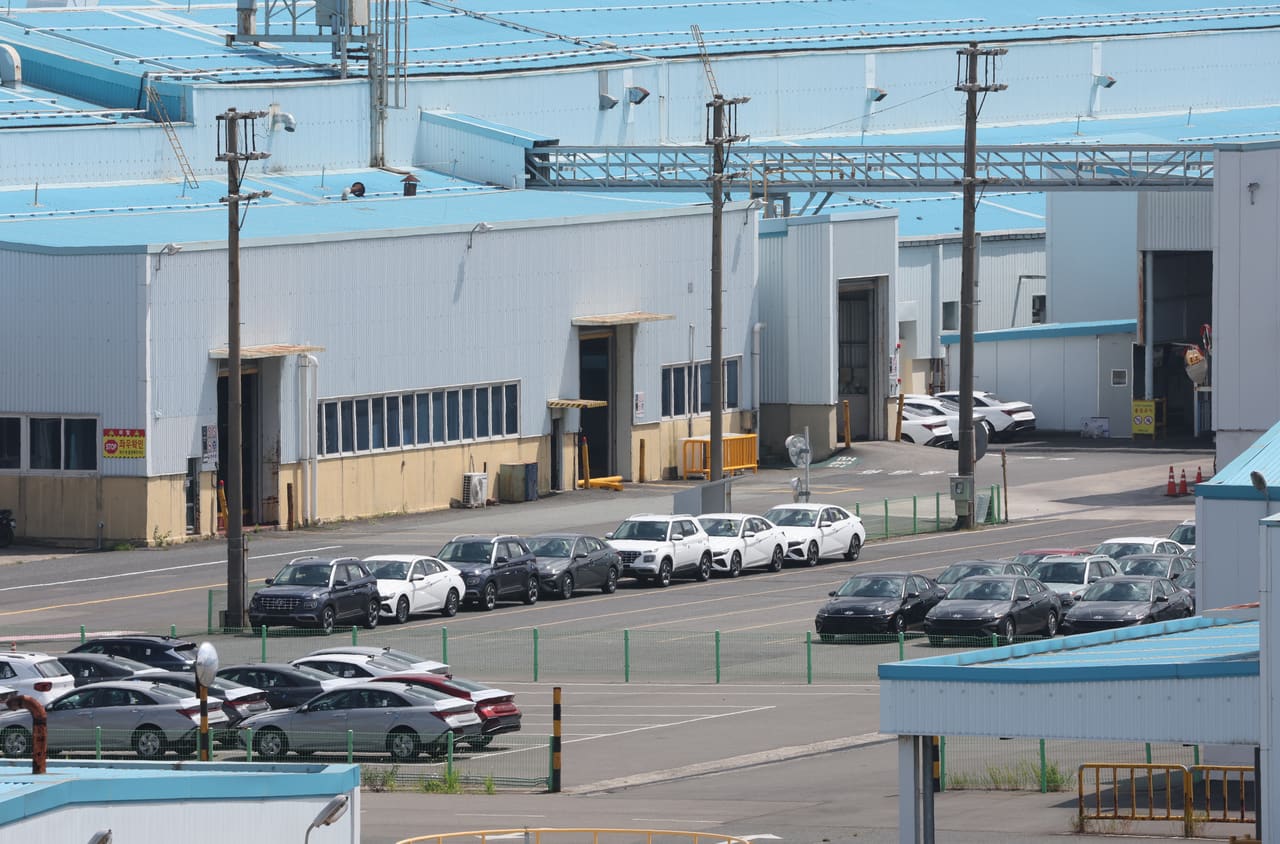
Hyundai Sales Drop 5% in July as Labor Strike Halts Production
South Korea's largest automaker stands alone among domestic peers in citing industrial action as primary drag on monthly performance
KEY TAKEAWAYS
- ·Hyundai Motor sold 318,454 vehicles in July, down 5.1 percent year-on-year, citing an ongoing labor strike as the primary cause of the decline.
- ·Domestic sales fell 14.4 percent to 48,113 units while overseas deliveries dropped 3.2 percent to 270,341 vehicles, indicating concentrated strike impact on South Korean production.
- ·The dispute sets Hyundai apart from other major Korean automakers and risks delaying its electrification timeline if the work stoppage extends into August.
Production Lines Stalled
Hyundai Motor sold 318,454 vehicles globally in July, a 5.1 percent decline from the same month last year, as labor unrest interrupted manufacturing operations. The Seoul-based automaker attributed the drop directly to an ongoing dispute with union workers, a factor no other major South Korean automotive producer cited for their monthly results.
Domestic market performance weakened more sharply than overseas channels. Hyundai moved 48,113 units within South Korea, down 14.4 percent year-on-year, while international deliveries fell 3.2 percent to 270,341 vehicles. The divergence suggests the strike's impact concentrated on production lines serving the home market, where inventory buffers are typically thinner and supply chains shorter.
Strike Dynamics in Korean Auto
Industrial action at Hyundai underscores the persistent tension between South Korea's export-driven automakers and organized labor. The country's automotive unions rank among Asia's most assertive, frequently leveraging production halts during annual wage negotiations or disputes over working conditions. Hyundai's unionized workforce has historically staged partial or full walkouts, disrupting output during peak selling seasons.
The July strike comes as Hyundai navigates a tightening competitive environment. Chinese EV manufacturers continue pressing into Southeast Asian markets, while legacy rivals Toyota and Honda maintain steady production volumes. Any extended production gap risks ceding market share in price-sensitive segments where buyers have multiple options and little brand loyalty.
Hyundai's overseas sales held up comparatively better, declining just 3.2 percent. The automaker has diversified its manufacturing footprint over the past decade, operating plants in the United States, Europe, India, and China. These facilities likely absorbed some demand that South Korean factories could not meet during the strike period, though the company did not break out regional performance in its July update.
Peer Comparison
Hyundai's sales trajectory diverges from that of affiliate Kia, which reported gains during the same period. Kia has invested heavily in crossover SUVs and electric models that appeal to younger buyers in North America and Europe, segments less exposed to the labor dynamics affecting Hyundai's South Korean operations. The contrast highlights how product mix and geographic diversification can insulate automakers from localized disruptions.
The strike also arrives at an inconvenient moment for Hyundai's electrification push. The company has committed billions to EV development and battery partnerships, aiming to field 31 electric models by 2030. Any sustained production interruption delays vehicle deliveries, erodes consumer confidence, and complicates the ramp-up of new model launches that require stable manufacturing cadence.
What Comes Next
Resolution timing remains uncertain. South Korean auto strikes typically last days to weeks, though protracted disputes have occasionally stretched beyond a month. Hyundai management and union representatives have not disclosed whether negotiations are advancing or stalled. August sales figures, due in early September, will offer the first clear signal of whether the company can recover lost volume or if the strike's effects linger.
Investors will watch for any guidance revision when Hyundai reports second-quarter earnings later this month. A prolonged strike could force the automaker to lower its full-year sales outlook, particularly if domestic market share erodes further. For now, Hyundai's July numbers serve as a reminder that even Asia's largest automakers remain vulnerable to labor friction, a risk that global peers with more flexible or automated production systems have increasingly mitigated.
RELATED STORIES
Homeplus Secures Funding and Resumes Operations as Court Deadline Looms
Jun-ho Seo · 4 min
South Korea's Food Costs Surge as Summer Heat Ravages Farms
Jun-ho Seo · 5 min
Incheon Airport Launches Korea's First Passenger-to-Freighter Conversion Service
Cheng Wei-Lun · 3 min
Washington's Polysilicon Tariffs Set to Squeeze Korean Solar Producers
Cheng Wei-Lun · 3 min
Spot something wrong? Email editor@briefasia.com. We log every correction publicly.