Lifestyle · Culture
Hong Kong's Wealthy Prioritize Travel Over Property as Real Estate Falls to Seventh Place
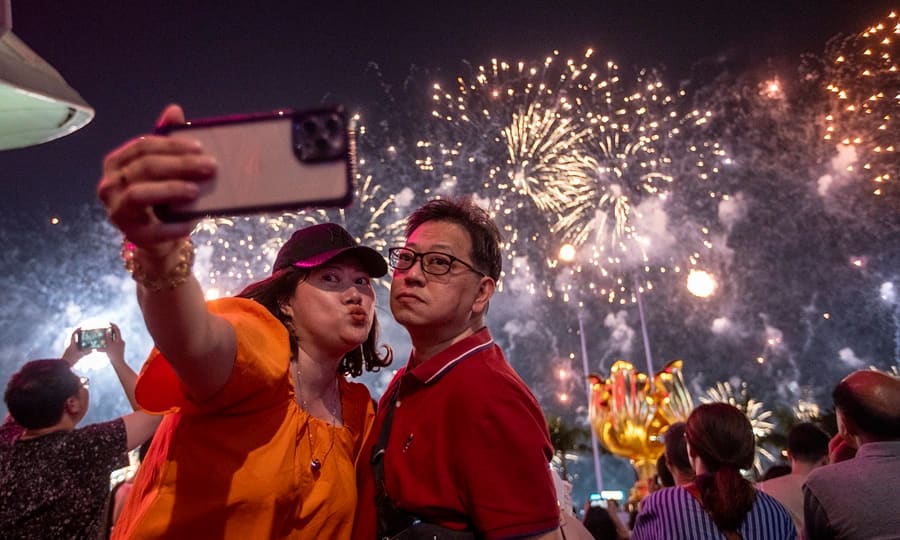
A new survey reveals affluent Hong Kong residents now rank immersive travel above homeownership, with high-net-worth individuals viewing journeys as intangible capital that builds long-term value.
KEY TAKEAWAYS
- ·Only 24% of affluent Hong Kong residents rank buying a home among their top life goals, placing property seventh, while 48% prioritize in-depth travel, according to a Standard Chartered survey of 1,058 individuals with at least HKD1 million in investible assets.
- ·High-net-worth individuals plan to spend an average of HKD345,000 on travel in 2026, with 72% viewing travel as a way to build intangible capital and broaden long-term perspectives.
- ·Real estate's share of Hong Kong's GDP declined from over 30% in the early 2000s to approximately 21% by 2021, reflecting a broader shift in how the city's wealthiest allocate capital.
A Shift in Priorities
Wealthy Hong Kong residents are rethinking what matters most. Real estate, once the cornerstone of household wealth in the world's most expensive property market, now ranks seventh among life goals for the city's affluent class. Only 24% of survey respondents identified buying a first home or owning a dream property as a priority, according to data released Tuesday by Standard Chartered.
The Hong Kong Travel Value Report 2026 surveyed 1,058 affluent residents aged 30 and above during June, targeting individuals with at least HKD1 million ($127,449) in investible assets. The findings reveal a clear pivot: in-depth or immersive travel ranked second at 48%, trailing only early retirement at 49% and edging out holistic wellness at 47%.
For the city's high-net-worth individuals, those with HKD7.8 million or more in investible assets, travel represents something beyond leisure. Seventy-two percent of this group view travel as a way to build intangible capital, expanding perspectives and supporting long-term well-being, Standard Chartered found.
Travel as Investment
The reconceptualization of travel extends into family planning. Among affluent parents surveyed, 92% identified overseas trips as the most meaningful and valuable element of their child's educational investment, outranking tutoring sessions and extracurricular classes. The shift suggests a departure from traditional education models that prioritize academic enrichment alone.
Spending patterns reflect this new mindset. High-net-worth individuals plan to allocate an average of HKD345,000 to travel this year, compared with HKD153,000 among all respondents in the survey. While substantial, these figures remain below the HKD870,000 recorded in the 2024 survey, when post-pandemic outbound tourism surged as borders reopened.
Two-thirds of high-net-worth respondents now spend more on travel than on daily living expenses, including dining, entertainment, and lifestyle consumption, according to Standard Chartered. The data points to a fundamental reordering of budget priorities among Hong Kong's wealthiest cohort.
Property's Diminished Role
The findings arrive at a moment when Hong Kong property, historically a dominant force in household balance sheets and the broader economy, occupies less space in the financial lives of the affluent. During the early 2000s bull market, real estate accounted for more than 30% of the city's gross domestic product between 2000 and 2003, according to a 2024 report by Great Wall Securities. By 2021, that share had contracted to approximately 21%.
Hong Kong remains the world's most expensive property market, yet the survey suggests that for those with significant investible assets, homeownership no longer commands the same emotional or financial primacy. The decline in priority may reflect a combination of factors: high valuations that make additional property purchases less attractive, diversification into other asset classes, and a broader lifestyle recalibration following the pandemic.
What Comes Next
The trajectory of Hong Kong's property market and its place in household wealth will depend partly on whether this shift is generational or cyclical. If younger affluent residents continue to prioritize experiences and intangible returns over tangible assets, developers and policymakers may need to adjust expectations around demand.
Meanwhile, the travel sector stands to benefit. Airlines, luxury hospitality groups, and education-focused travel operators targeting families are likely to see sustained interest from Hong Kong's high-net-worth segment. The question is whether this spending pattern holds as macroeconomic conditions evolve and if other Asian financial centers follow a similar path.
For now, the message from Hong Kong's wealthy is clear: the keys to a dream home matter less than the passport stamps that follow.
RELATED STORIES
McDonald's Unloads Hong Kong Retail Assets at Premium Amid Market Freeze
Priyanka V. Rao · 3 min
McDonald's Sells Nearly Half Its Hong Kong Property Portfolio in Sluggish Market
Priyanka V. Rao · 3 min
Chinese Luxury Brands Test Southeast Asian Waters
Cheng Wei-Lun · 3 min
China's Offshore Tax Push Threatens Hong Kong Property Market Recovery
Cheng Wei-Lun · 3 min
Spot something wrong? Email editor@briefasia.com. We log every correction publicly.