Lifestyle · Luxury
Chinese Luxury Brands Test Southeast Asian Waters
From jewelry to handbags, China's consumer brands are moving beyond electronics and autos to tap the region's affluent shoppers.
KEY TAKEAWAYS
- ·Chinese brands including Chow Tai Fook and Songmont are opening stores across Southeast Asia, moving beyond electronics and autos into jewelry, handbags, and lifestyle goods.
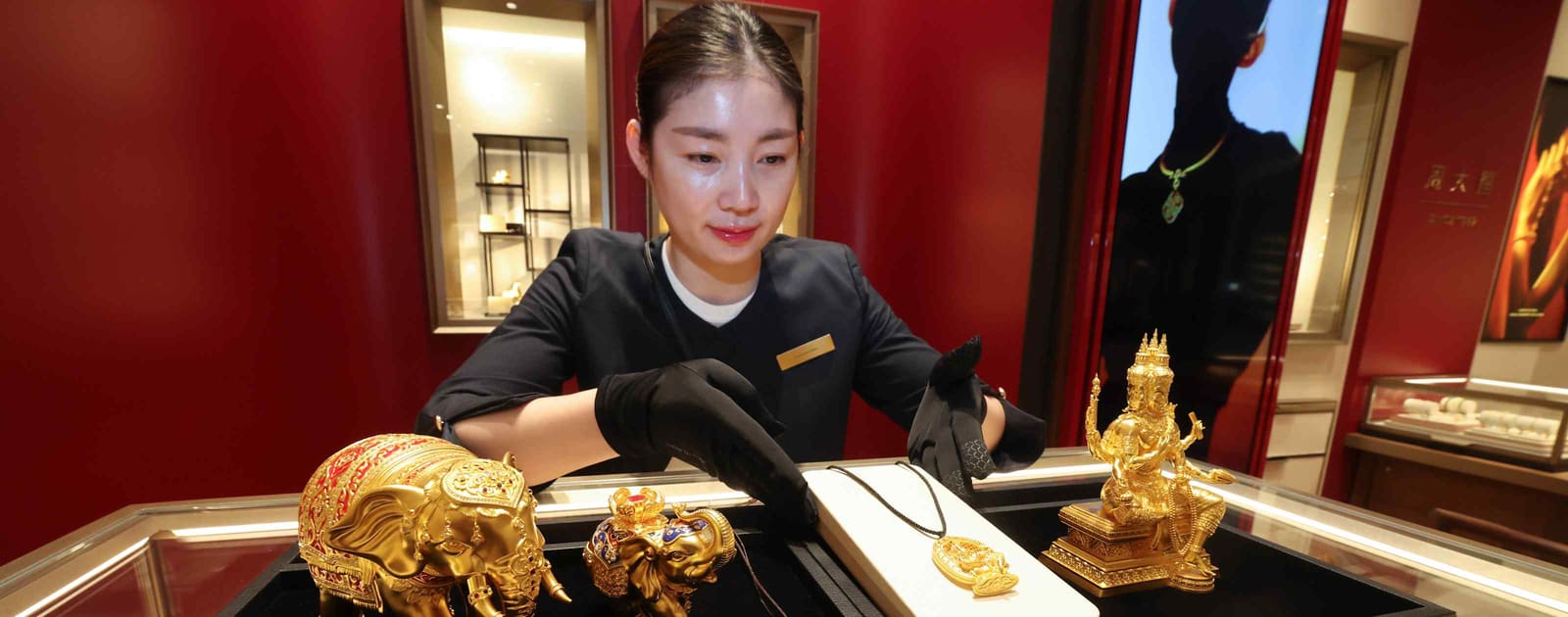
- ·Chow Tai Fook stocks Thailand-exclusive designs like gold elephant figurines, while Songmont launched its first overseas pop-up in Bangkok's centralwOrld mall.
- ·The region serves as a lower-risk testbed for Chinese luxury brands before they attempt entry into Western markets with stronger incumbent competition.
A New Wave of Chinese Brands
In the middle of Bangkok's centralwOrld shopping complex, a pop-up store for Songmont drew an unlikely customer. Nathan, a 29-year-old Indian visitor wearing bright yellow suede trainers from Shanghai designer Pane, browsed handbags for his girlfriend. The scene captures a shift in China's export strategy: after flooding Southeast Asia with electric vehicles and consumer electronics, Chinese brands are now testing the region's appetite for premium lifestyle goods.
Chow Tai Fook's Bangkok location stocks Thailand-specific jewelry, including gold elephant figurines and Buddha pendants designed for local tastes. The approach reflects a broader pattern as Chinese companies expand beyond their traditional export categories into jewelry, watches, wine, and fashion accessories.
Beyond Cars and Screens
Southeast Asia has become a proving ground for Chinese brands that built their reputations at home and now seek international credibility. The region offers a middle ground: affluent consumers with purchasing power, cultural proximity to Chinese aesthetics, and less entrenched loyalty to European luxury houses than markets in North America or Western Europe.
The strategy differs from China's earlier export playbook. Where brands like BYD and Haier competed on price and technology in mass-market categories, this new cohort targets discretionary spending. They open flagship stores in premium malls, customize products for local cultures, and position themselves as lifestyle brands rather than value alternatives.
Localization as Entry Strategy
Chow Tai Fook's Thailand-exclusive designs illustrate how Chinese brands are adapting. Gold jewelry carries cultural significance across Southeast Asia, but preferences vary by market. Elephant motifs resonate in Thailand; other symbols work better in Vietnam or Indonesia. The company tailors inventory to these nuances rather than transplanting its Hong Kong or Shenzhen assortments wholesale.
Songmont chose Bangkok for its first overseas location, a deliberate move into a city with high tourist traffic and a growing luxury retail scene. The pop-up format allows the brand to test demand before committing to permanent retail infrastructure. If successful, the model can expand to Singapore, Kuala Lumpur, or Jakarta with lower risk than traditional store rollouts.
What Comes Next
The expansion raises questions about staying power. European luxury brands spent decades building associations with craftsmanship, heritage, and exclusivity. Chinese brands enter with strong domestic track records but less international recognition. Southeast Asia's consumers may embrace them as fresh alternatives, or they may prove skeptical of newcomers without century-old pedigrees.
Distribution will be another test. Premium brands rely on controlled retail environments and selective placement. Expanding too quickly can dilute brand equity; moving too slowly allows competitors to claim territory. Chinese companies will need to balance growth ambitions with the discipline that luxury positioning requires.
The region's economic trajectory also matters. Southeast Asia's middle and upper classes have grown, but disposable income remains unevenly distributed. A downturn or currency volatility could dampen demand for non-essential goods, leaving Chinese brands exposed if they over-invest in retail footprints.
The Broader Play
For China, the push into lifestyle goods complements its industrial export machine. Electric vehicles and smartphones demonstrate manufacturing capability; jewelry and handbags signal cultural influence. Establishing Chinese brands as aspirational choices abroad would mark a different kind of soft power than trade in commodity goods.
Southeast Asia serves as the testbed because failure there carries lower reputational cost than stumbling in Paris or New York. Success, however, could provide the credentials needed to enter those tougher markets later. A brand that wins over Bangkok's shoppers can credibly pitch itself to Sydney or London.
The outcome will depend on execution. Chinese brands have capital, production scale, and domestic experience. Whether they can translate that into lasting appeal outside China remains the open question. Southeast Asia will provide the first answers.
RELATED STORIES

Electric Vehicle Prices Fall Below Hybrids in Global Markets
Cheng Wei-Lun · 5 min
Thailand Regulator Drafts 20 Measures to Curb Retail Power Over Suppliers
Priyanka V. Rao · 3 min

Thailand Deploys Emergency Funds to Replace Diesel Buses With EVs
Priyanka V. Rao · 4 min
Thailand Launches $3 Minimum Bond Program to Boost Household Savings
Priyanka V. Rao · 4 min
Spot something wrong? Email editor@briefasia.com. We log every correction publicly.