Lifestyle · Consumer
Hong Kong Retailers Test Malaysian E-Commerce Before Wider Regional Push
A hundred brands are using digital platforms in Malaysia to gauge demand and build visibility across Southeast Asia without committing to physical stores.
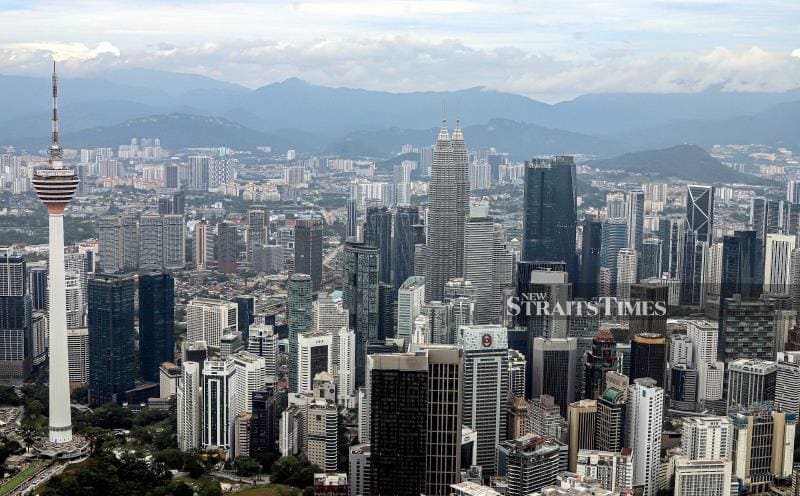
KEY TAKEAWAYS
- ·A hundred Hong Kong brands are participating in Malaysia's inaugural Hong Kong Shopping Festival through Shopee, Lazada and a dedicated website, marking the event's first expansion beyond the Chinese Mainland.
- ·The initiative allows companies to test consumer demand and build brand awareness in Southeast Asia without the upfront costs of physical retail infrastructure, distribution networks or local operations.
- ·Malaysia and Singapore were selected as the programme's initial Southeast Asian markets, with the success of the Malaysian pilot likely to inform HKTDC's approach to other regional expansions.
Testing Ground for Regional Ambitions
A hundred Hong Kong brands are using Malaysia as an entry point for Southeast Asian expansion, relying on e-commerce platforms to reach consumers without the capital outlay required for physical retail infrastructure.
The inaugural Hong Kong Shopping Festival in Malaysia, organised by the Hong Kong Trade Development Council, runs through 27 September and features more than 350 products across beauty, personal care, fashion, food, supplements and wellness categories. Purchases are available through Shopee, Lazada and a dedicated festival website, according to HKTDC.
The event marks the first time the annual shopping initiative has expanded beyond the Chinese Mainland, with Malaysia and Singapore selected as the programme's initial Southeast Asian markets. Participating companies include established names such as Lee Kum Kee, CATALO, Chow Tai Fook, Chow Sang Sang, Wai Yuen Tong and Chicks, alongside smaller firms seeking regional exposure.
Digital Channels Replace Traditional Market Entry
For Hong Kong businesses, the Malaysian market represents both a consumer base and a proving ground for wider regional strategy. The approach reflects a broader shift in cross-border commerce, where digital marketplaces allow companies to assess demand and establish brand recognition before committing resources to distribution networks, retail outlets and local operations.
Leung Kwan Ho, HKTDC regional director for Southeast Asia and South Asia, said the festival was designed to bring Hong Kong products closer to Malaysian consumers while helping participating companies explore new markets. The initiative is part of HKTDC's E-Commerce Express programme, which supports Hong Kong firms in expanding their cross-border digital operations.
The festival includes more than 30 hours of livestream shopping featuring Malaysian and Singaporean hosts and influencers. Dedicated campaign pages on Shopee and Lazada consolidate selected products and promotions, while the festival website provides information on participating brands and offers.
Lower Barriers, Faster Feedback
The strategy lowers the financial threshold for market entry. Companies can gauge consumer interest, refine product positioning and collect performance data without the fixed costs associated with traditional retail expansion. For smaller businesses in particular, digital platforms offer a channel to establish visibility and test pricing before making larger commitments.
Malaysia's growing e-commerce infrastructure and diverse consumer base make it a logical starting point for Hong Kong brands targeting the broader Association of Southeast Asian Nations region. The country's digital economy has expanded rapidly in recent years, supported by improving logistics networks and rising smartphone penetration.
The Hong Kong Shopping Festival is the flagship annual initiative under the E-Commerce Express programme and is supported by the Hong Kong Special Administrative Region Government. The programme is designed to help Hong Kong companies reach overseas consumers through digital channels, reflecting a shift in how businesses approach international expansion.
What Comes Next
The success of the Malaysian pilot will likely influence HKTDC's approach to other Southeast Asian markets. For participating brands, the festival provides real-time feedback on product appeal, pricing sensitivity and marketing effectiveness, data that will inform decisions on inventory, localisation and further regional rollout.
As Southeast Asia's digital economy continues to mature, the model of using e-commerce platforms as a low-cost entry mechanism is expected to become more common. For Hong Kong businesses, Malaysia could serve as a repeatable template for entering other markets in the region, with digital channels offering both speed and flexibility in testing demand before scaling operations.
RELATED STORIES
Singapore Capital Leads Southeast Asian Surge in Hong Kong Property Deals
Tran Quoc Bao · 3 min

Hong Kong Property Prices Forecast to Climb 15% as Buyers Return
Tran Quoc Bao · 3 min
Hong Kong's Pokemon Card Market Transforms Into Alternative Asset Class
Lim Hui Ying · 4 min

Hong Kong Debuts Robot-Run Convenience Store in Commercial Automation Push
Cheng Wei-Lun · 3 min
Spot something wrong? Email editor@briefasia.com. We log every correction publicly.