Technology · AI
Hong Kong Debuts Robot-Run Convenience Store in Commercial Automation Push
Galbot launches unmanned retail outlet operated entirely by humanoid robots, signaling Asia's accelerating shift toward autonomous commerce
KEY TAKEAWAYS
- ·Galbot launched an unmanned convenience store in Hong Kong on August 31, staffed entirely by humanoid robots that handle customer service, inventory, and transactions.
- ·The facility addresses Hong Kong's high commercial real estate costs and labor shortages, part of a broader regional trend with similar deployments in Singapore, Tokyo, and Seoul.
- ·Asian robotics manufacturers attracted USD 4.2 billion in venture capital during 2025, driven by demand for automation in labor-intensive sectors facing demographic pressures.
A New Retail Model Takes Shape
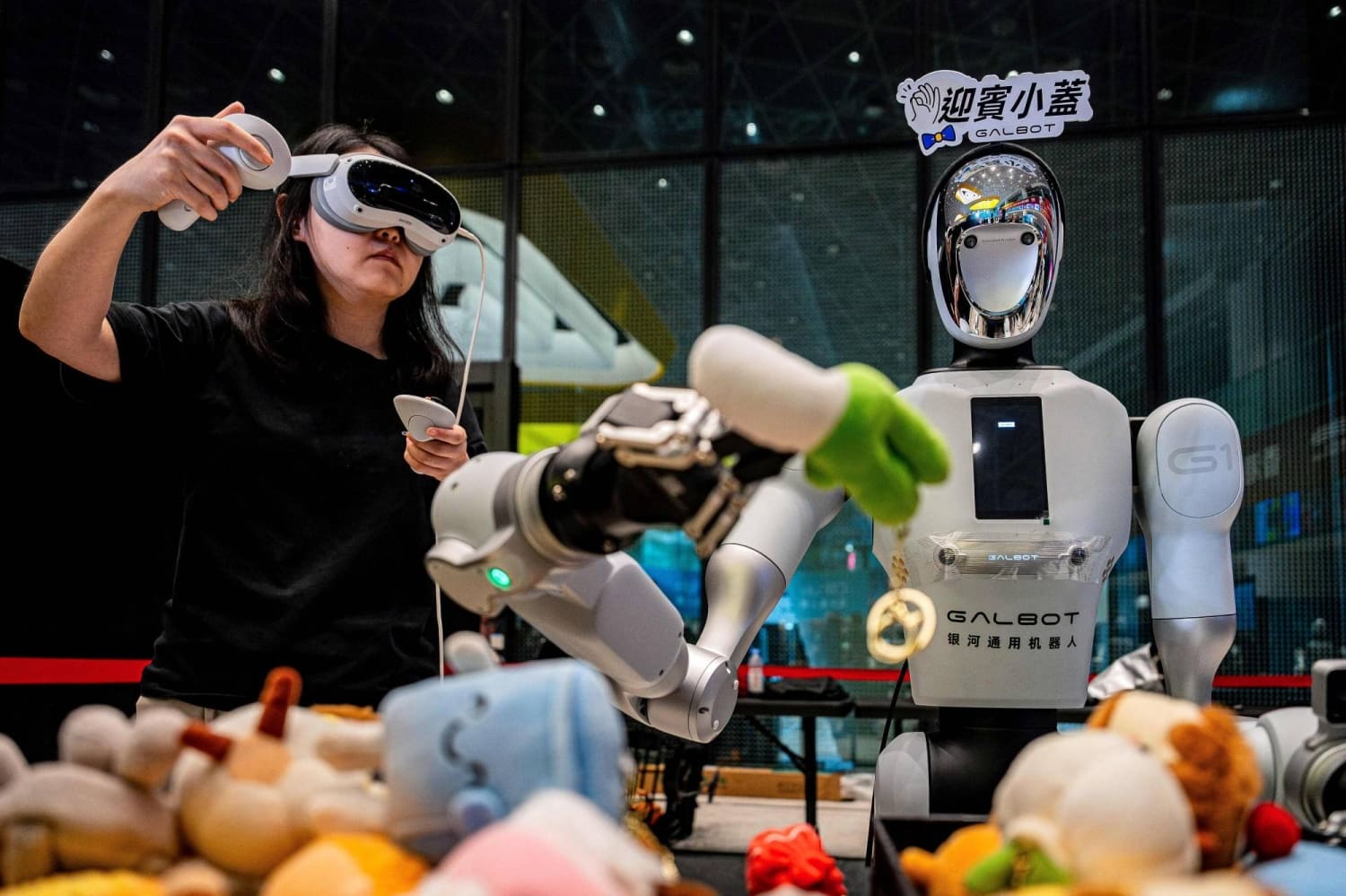
Hong Kong shoppers can now purchase daily essentials from humanoid robots following the launch of Galbot's unmanned convenience store on August 31. The facility represents one of the first fully automated retail operations in the territory where humanoid machines handle customer interactions, inventory management, and transactions without human staff present.
Galbot demonstrated the operational capabilities of its robotic workforce during the store's public unveiling. The humanoid units navigate aisles, restock shelves, process payments, and respond to customer inquiries through integrated voice recognition systems. The robots operate continuously, eliminating traditional staffing constraints tied to shift schedules and labor availability.
Technology Architecture
The convenience store relies on a networked system connecting multiple humanoid robots to a centralized management platform. Each unit receives real-time inventory data, customer traffic patterns, and restocking priorities through cloud-based coordination. Computer vision systems embedded in the store infrastructure track product movement and alert robots when items require replenishment.
The robots use articulated limbs designed to handle standard retail tasks, from lifting packages weighing up to 15 kilograms to operating point-of-sale terminals. Mobility systems allow the machines to traverse the store layout while avoiding obstacles and navigating around customers. Safety protocols include proximity sensors that halt robot movement when humans enter designated zones.
Payment processing occurs through contactless terminals integrated into each robot's chassis. Customers can complete transactions using mobile wallets, credit cards, or QR code systems without requiring traditional checkout counters. The store's layout eliminates fixed cashier stations, allocating more floor space to merchandise displays.
Regional Context
Hong Kong's adoption of unmanned retail technology mirrors broader trends across Asia's major commercial hubs. Singapore operates multiple autonomous grocery stores in residential districts, while Tokyo has deployed robot-staffed convenience outlets in high-density business areas since early 2025. Seoul recently announced pilot programs for automated retail facilities in subway stations and university campuses.
Labor costs and space constraints drive much of the regional interest in robotic retail solutions. Hong Kong's commercial real estate ranks among the world's most expensive, creating strong economic incentives to maximize revenue per square meter. Automated systems reduce the need for back-office space, break rooms, and storage areas dedicated to employee operations.
The territory faces demographic pressures similar to other East Asian economies. An aging workforce and declining birth rates have tightened labor markets, particularly for entry-level retail positions. Automation offers operators a hedge against rising wage pressures and staffing shortages in customer-facing roles.
Operational Economics
Galbot has not disclosed the capital investment required to establish the unmanned store or detailed operating cost comparisons with traditional convenience outlets. Industry analysts estimate that humanoid robot units suitable for retail applications currently cost between USD 50,000 and USD 150,000 per unit, depending on capabilities and manufacturer. Maintenance contracts, software licensing, and infrastructure upgrades add recurring expenses.
The economic viability of robot-staffed retail depends on throughput volumes and operational lifespan. Units operating continuously can serve customers 24 hours daily, potentially generating higher revenue than locations constrained by labor shift patterns. However, the technology remains unproven at scale, and equipment failures or customer acceptance issues could undermine projected returns.
Market Implications
Several Asian robotics manufacturers have accelerated development of humanoid platforms targeting commercial applications. Chinese firms including Unitree and Fourier Intelligence now produce bipedal robots with manipulation capabilities suitable for retail, hospitality, and warehouse environments. Japanese manufacturers Kawasaki and Fanuc have expanded product lines to include service robots alongside industrial automation equipment.
Venture capital flows into Asian robotics startups reached USD 4.2 billion in 2025, according to data from regional investment trackers. Much of that capital targets companies developing autonomous systems for labor-intensive sectors where demographic trends and wage inflation create adoption incentives.
Hong Kong's regulatory environment permits unmanned retail operations under existing commercial licensing frameworks, avoiding the approval delays that have slowed similar deployments in jurisdictions requiring new legislation. This regulatory clarity positions the territory as a testing ground for retail automation concepts that may later expand to mainland China and Southeast Asian markets.
The Galbot store will serve as a reference implementation for operators evaluating humanoid robot deployment. Customer acceptance, operational reliability, and financial performance over the coming months will inform investment decisions across the region's retail sector.
RELATED STORIES

CaoCao Mobility Bets on Autonomous Taxis as Revenue Tops RMB 10 Billion
Cheng Wei-Lun · 3 min
Sharpa Secures $668 Million at $3.3 Billion Valuation in Tech Giant-Backed Round
Cheng Wei-Lun · 2 min

Shein Drops 4% in Hong Kong Debut as Tariff Pressure Weighs on Valuation
Priyanka V. Rao · 4 min
Private Capital Floods Asia's MedTech Sector as Brain Interfaces and Robotics Draw Investors
Priyanka V. Rao · 4 min
Spot something wrong? Email editor@briefasia.com. We log every correction publicly.