Real Estate · Homes
Hong Kong Property Rally Faces Four Headwinds
UBS warns that AI disruption, demographic shifts, and regional integration could slow the city's residential market rebound after months of gains.
KEY TAKEAWAYS
- ·UBS identifies four risks to Hong Kong's property rebound: AI adoption reducing office headcount, slower population inflows, Greater Bay Area integration offering cheaper alternatives, and a wave of new residential completions.
- ·Artificial intelligence is expected to shrink demand for premium rentals as financial and professional firms automate tasks and reduce expatriate and junior staff numbers.
- ·The bank forecasts moderation in price and rental growth rather than collapse, urging developers and investors to recalibrate expectations as structural shifts outweigh cyclical interest-rate relief.
Recovery Momentum Under Pressure
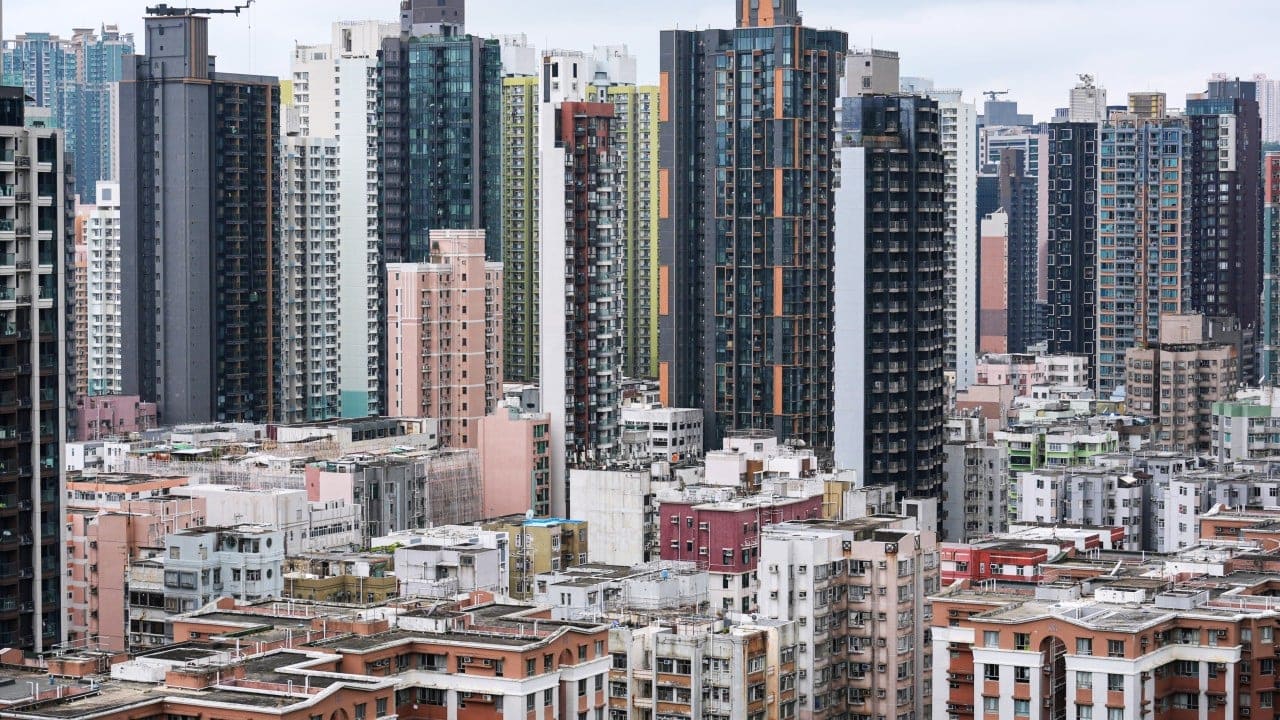
Hong Kong's residential property market, which has clawed back ground over recent months, now confronts a quartet of structural pressures that could temper both price and rental growth in the near term. UBS has flagged artificial intelligence adoption, demographic headwinds, regional integration, and a wave of new completions as forces capable of reshaping demand dynamics across the city's housing landscape.
The Swiss bank's assessment arrives as transaction volumes and valuations have staged a modest comeback from multi-year lows, buoyed by interest-rate relief and tentative optimism among mainland Chinese buyers. Yet the firm cautions that the tailwinds that powered the initial rebound may prove insufficient to sustain momentum through the second half of the year.
AI and the Office Footprint
Artificial intelligence is already redrawing corporate space requirements, and UBS suggests the ripple effects will extend to residential markets. As companies adopt generative AI tools and automate knowledge-work tasks, office headcount in financial services and professional sectors - long a pillar of Hong Kong's high-end rental demand - could contract. Fewer expatriate relocations and smaller local teams translate directly into softer appetite for premium apartments, particularly in core districts where multinational firms have historically anchored their operations.
The shift is not hypothetical. Major banks and consultancies in the city have begun piloting AI-assisted workflows that reduce the need for junior staff, a cohort that has traditionally filled mid-tier rental stock. If these pilots scale, the knock-on effect on residential absorption could be measurable within quarters, not years.
Population Inflows Lose Steam
Hong Kong's post-pandemic population recovery has been slower than anticipated. Net inflows of both mainland professionals and returning residents have decelerated, and UBS notes that immigration schemes designed to attract talent have yet to deliver the volume of arrivals originally projected by policymakers.
The city's population stood at approximately 7.5 million as of mid-2025, still below its pre-2020 peak. Without a sustained influx of new households, demand for both purchase and rental units faces a natural ceiling. The bank points to visa approval data and arrival statistics as indicators that the demographic tailwind is weakening, even as the government continues to tout various talent-attraction initiatives.
Greater Bay Area Integration
Deepening ties within the Greater Bay Area - a region spanning Hong Kong, Macau, and nine mainland cities in Guangdong - are creating viable residential alternatives for professionals who once considered Hong Kong their sole option. Improved cross-border infrastructure, including high-speed rail links and streamlined customs procedures, has made Shenzhen and other neighboring cities practical for those working in Hong Kong.
UBS highlights that property prices in Shenzhen remain a fraction of Hong Kong's, even in premium districts. As remote and hybrid work arrangements become more entrenched, the calculus for where to live shifts. A growing segment of the workforce now splits time between the two cities, reducing the urgency to secure Hong Kong accommodation. This dynamic siphons off a portion of potential buyers and tenants, particularly among younger cohorts and families seeking more space at lower cost.
Supply Pipeline Fills Out
The fourth risk stems from the supply side. A pipeline of new residential projects is set to reach completion over the next 18 months, adding thousands of units to a market where absorption rates have yet to fully recover. UBS estimates that the incoming supply could outpace near-term demand, particularly in newly developed districts where infrastructure and amenities are still maturing.
Developers have been cautious in launching new phases, wary of oversupply and pricing pressure. But contractual timelines and financing obligations mean that completions cannot be deferred indefinitely. If the new stock enters a market already grappling with softer tenant and buyer interest, price corrections in specific sub-markets become more likely.
What Comes Next
UBS does not forecast an outright collapse, but rather a moderation - a slowing of the recovery's pace as these four factors exert incremental drag. The bank suggests that investors and developers should recalibrate expectations, particularly in segments most exposed to expatriate demand and in areas where new supply is concentrated.
For policymakers, the message is that cyclical interest-rate relief alone may not be sufficient to sustain a broad-based property upturn. Structural shifts in how people work, where they choose to live, and how regional integration reshapes the competitive landscape require responses that go beyond monetary easing. The next phase of Hong Kong's property story will be written not by stimulus, but by how quickly the city adapts to these deeper currents.
RELATED STORIES
Hong Kong's Northern Metropolis Project Sells Half of Initial Batch in Weekend Launch
Cheng Wei-Lun · 2 min
Hysan Development Posts 7.4% Earnings Gain on Bamboo Grove Sales
Cheng Wei-Lun · 3 min
Hong Kong Renters Weigh Homeownership as Rents Climb 5.2 Percent
Lim Hui Ying · 3 min
SF Reit Reports Income Decline Amid Stable Hong Kong Logistics Occupancy
Cheng Wei-Lun · 3 min
Spot something wrong? Email editor@briefasia.com. We log every correction publicly.