Real Estate · Homes
Hong Kong Renters Weigh Homeownership as Rents Climb 5.2 Percent
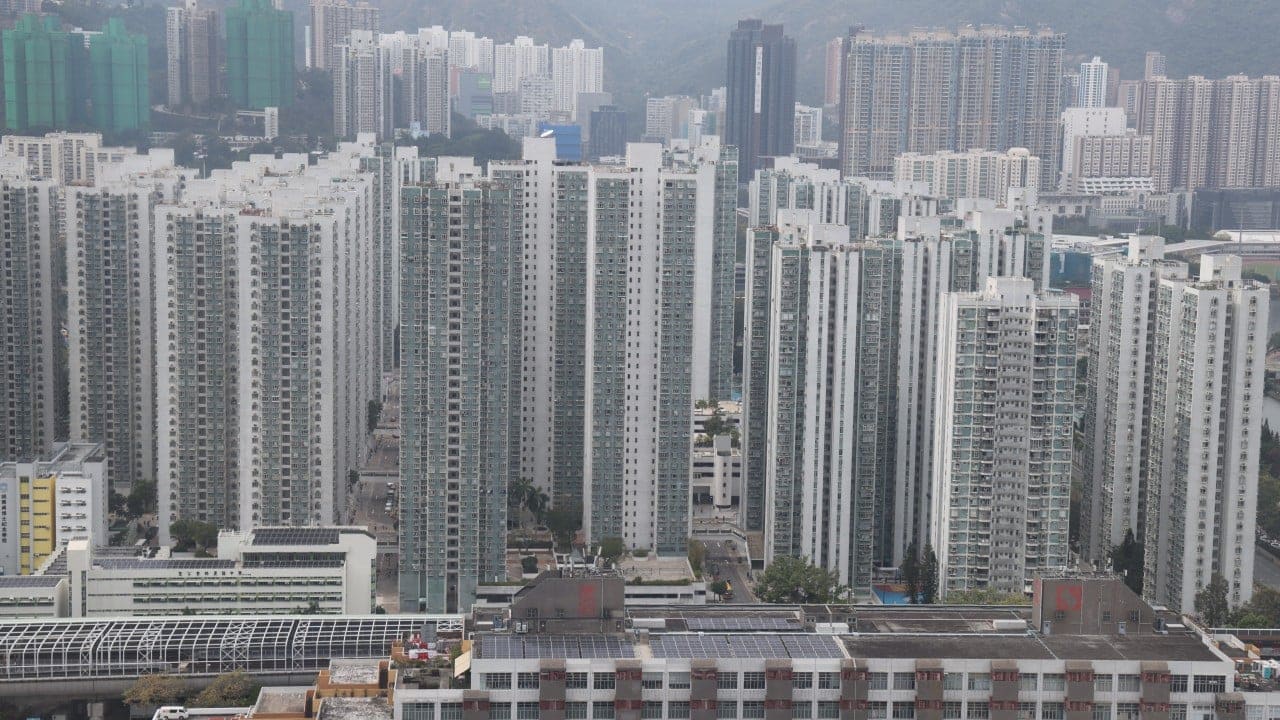
Second-hand residential rents have risen steadily through 2026, pushing tenants to recalculate the economics of buying versus leasing in one of the world's least affordable housing markets.
KEY TAKEAWAYS
- ·Hong Kong's Centa-City Rental Index rose 5.2 percent from January to July 2026, reaching 136.34.
- ·Rising rents and potential interest rate increases are forcing residents to reassess the buy-or-rent trade-off.
- ·Buyers face elevated property prices and mortgage costs, while tenants pay more without building equity.
The Rent Squeeze
Hong Kong's private residential rents have climbed steadily since January, with the Centa-City Rental Index reaching 136.34 in July, up from 129.57 at the start of 2026, according to data from Centa-City. The 5.2 percent increase has compressed budgets for tenants across the territory, many of whom now face a familiar question: continue paying escalating rents, or commit to a mortgage in a market shadowed by potential interest rate volatility.
The index tracks second-hand private residential properties, a segment that serves as a bellwether for broader housing affordability. For working professionals like Jimmy Lau, the numbers have become difficult to ignore. Monthly lease payments that once felt manageable now consume a larger share of household income, prompting a fresh look at ownership.
The Mortgage Math
Homeownership in Hong Kong has never been straightforward. Property prices remain among the highest globally relative to income, and mortgage rates have been on an upward trajectory since central banks began tightening policy in recent years. Buyers today confront not only elevated purchase prices but also the risk that borrowing costs could climb further, eroding affordability over the life of a loan.
Yet the rental market offers little reprieve. The steady climb in lease costs means that tenants are effectively paying more for the same housing without building equity. For households on the margin, the decision hinges on whether current rental outlays could be redirected toward mortgage payments, and whether locking in a purchase price today might hedge against future rent increases.
Regional Context
Hong Kong's housing dynamics reflect broader pressures across Asian financial hubs. Singapore has seen similar debates as rental yields tighten and government cooling measures shape buyer behavior. In Tokyo, ultra-low interest rates have kept mortgage costs stable, but land scarcity continues to push prices upward in central districts. Hong Kong's unique challenge lies in the combination of constrained land supply, high construction costs, and a rental market that responds quickly to shifts in demand.
The territory's position as a gateway for mainland Chinese capital adds another layer. Investor appetite for Hong Kong real estate has historically supported prices, but regulatory shifts and economic uncertainty in China have introduced volatility. For local buyers, this means navigating a market shaped as much by cross-border flows as by domestic fundamentals.
The Interest Rate Variable
The calculus for prospective buyers turns heavily on the path of interest rates. Hong Kong's monetary policy tracks the U.S. Federal Reserve due to the currency peg, and any further rate increases would flow directly into mortgage costs. Buyers who stretch to afford a property at current rates face the risk of payment shocks if borrowing costs rise another 50 or 100 basis points.
Conversely, those who delay a purchase in hopes of lower rates may find themselves paying even higher rents in the interim. The rental index has shown little sign of reversing, and landlords have been quick to adjust lease terms as demand remains firm. The result is a market where neither option offers clear financial advantage, and households must weigh their tolerance for different forms of risk.
What Tenants Are Watching
For now, many Hong Kong residents are adopting a wait-and-see posture. Rental growth at the current pace is painful but not yet catastrophic, and the uncertainty around interest rates makes large financial commitments daunting. Buyers who do enter the market are focusing on smaller units in less central locations, where prices remain within reach and rental yields offer some cushion.
The trajectory of the Centa-City Rental Index over the next six months will be a key indicator. If rents continue to climb at a similar pace, the pressure to buy may intensify, even if mortgage rates remain elevated. If rent growth slows or flattens, tenants may find it easier to stay put and preserve flexibility. Either way, the buy-or-rent debate in Hong Kong is likely to remain unresolved as long as both options carry significant financial trade-offs.
RELATED STORIES

China's Offshore Tax Push Threatens Hong Kong Property Market Recovery
Cheng Wei-Lun · 3 min

Hong Kong's Wealthy Prioritize Travel Over Property as Real Estate Falls to Seventh Place
Lim Hui Ying · 3 min
Hong Kong Commercial Property Investment Surges 129% in Q2
Cheng Wei-Lun · 3 min

Hong Kong Life Insurers Eye 8-10% Premium Growth Despite Beijing Tax Rule Changes
Cheng Wei-Lun · 2 min
Spot something wrong? Email editor@briefasia.com. We log every correction publicly.