Real Estate · Land
Hong Kong Awards First Northern Metropolis Land to Mainland-Local Consortium
A HK$1.03 billion deal brings five mainland state and private firms together with Sino Land for 10.5 hectares in Hung Shui Kiu pilot zone
KEY TAKEAWAYS
- ·A consortium of five mainland firms and Sino Land secured 10.5 hectares in Hung Shui Kiu for HK$1.03 billion, the first Northern Metropolis land tender.
- ·The cross-border structure spreads financial risk and aligns the project with China's 15th five-year plan for Greater Bay Area integration.
- ·Construction is expected within 18 months, with the deal serving as a potential template for future land releases across 290 square kilometers.
First Major Land Release
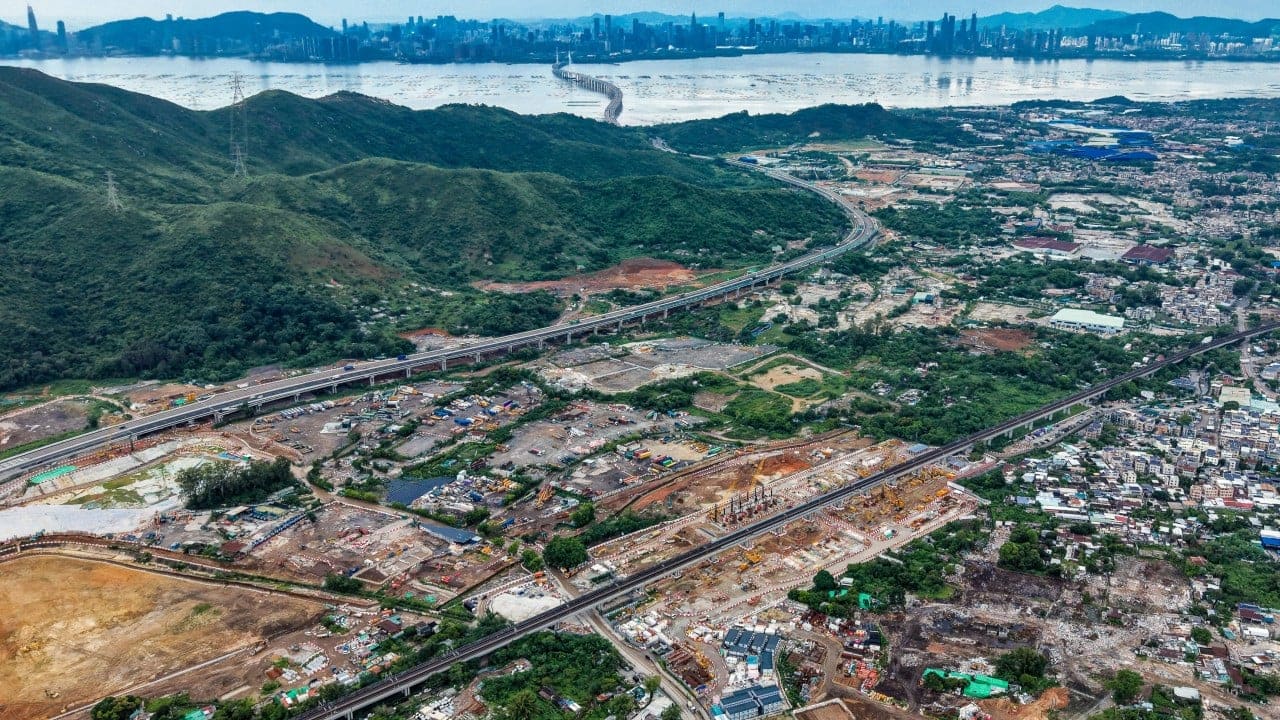
A consortium combining mainland state-owned enterprises, private developers, and Hong Kong's Sino Land has won the tender for 10.5 hectares in Hung Shui Kiu, the pilot zone of Hong Kong's Northern Metropolis project. The deal closed at HK$1.03 billion (US$132 million), according to government land records.
The winning group includes five mainland partners alongside the local developer. This structure represents the first time Hong Kong has opened a major infrastructure land package to a mixed ownership model that spans both sides of the border.
The Northern Metropolis blueprint, unveiled in 2021, calls for transforming 300 square kilometers of land near the Shenzhen border into business districts, housing clusters, and logistics hubs. Hung Shui Kiu sits at the center of the first phase, with infrastructure work already underway on roads and rail connections.
Risk Sharing Across Borders
The participation of mainland state-owned and private firms introduces capital diversification into a project that had faced questions over funding. Hong Kong's fiscal reserves have tightened in recent years, and large-scale land development typically requires patient capital willing to wait years for returns.
By structuring the consortium this way, the government spreads financial exposure across multiple balance sheets. Mainland state enterprises bring access to low-cost financing and experience in large infrastructure builds, while private developers contribute project management expertise and market discipline.
Sino Land, a Hong Kong developer with decades of experience in residential and commercial projects, anchors the local side. The firm has worked on mixed-use developments in Tsuen Wan and Kowloon East, giving it familiarity with the regulatory environment and buyer preferences in the territory.
Alignment with National Planning
The timing of the award aligns with China's 15th five-year plan, which runs through 2025 and emphasizes regional integration within the Greater Bay Area. The plan designates Hong Kong as a hub for finance, logistics, and technology within a cluster that includes Shenzhen, Guangzhou, Macau, and nine other Pearl River Delta cities.
Hung Shui Kiu's location offers direct access to Shenzhen's Qianhai district and the proposed Northern Link rail line, which will connect the zone to central Hong Kong in under 30 minutes. The government has positioned the area as a landing point for companies seeking to operate in both Hong Kong and mainland markets without navigating two separate regulatory systems.
The consortium model may also serve as a template for future land releases in the Northern Metropolis. Hong Kong has another 290 square kilometers of land designated for development under the plan, much of it requiring reclamation, environmental assessments, and infrastructure investment before it can be sold.
What Comes Next
The Hung Shui Kiu pilot zone is expected to break ground on residential and commercial buildings within 18 months. The government has set aside adjacent parcels for technology parks, logistics facilities, and public housing, with tenders likely to follow in 2025.
Developers participating in the consortium will need to meet milestones tied to construction timelines and occupancy rates. The land grant includes performance clauses that allow the government to claw back portions of the site if development stalls.
Hong Kong's Land Registry shows that interest in Northern Metropolis parcels has grown over the past year, with multiple mainland and local firms conducting site visits and feasibility studies. The success of the Hung Shui Kiu tender will likely influence appetite for subsequent releases, particularly among developers weighing the regulatory and market risks of cross-border projects.
The deal also signals a shift in how Hong Kong approaches large-scale land development. Rather than relying solely on local developers or government-led projects, the consortium structure brings in external capital and expertise while maintaining local oversight. This model may become more common as the city looks to fund infrastructure without further straining public finances.
For mainland firms, the transaction offers a foothold in Hong Kong's property market at a time when cross-border investment flows have slowed. The Northern Metropolis project gives them exposure to a market with transparent legal frameworks and international investor participation, even as they contribute to a development that serves broader regional integration goals.
The Hung Shui Kiu land award marks the first concrete step in translating the Northern Metropolis blueprint into physical infrastructure. Whether the consortium model proves scalable will depend on how well the partners navigate the complexities of cross-border development, from regulatory approvals to capital calls and exit strategies. The next 18 months will offer early signals of whether this approach can deliver on its promise.
RELATED STORIES
Hong Kong's Brownfield Exodus Fuels Industrial Property Demand
Cheng Wei-Lun · 3 min

Hong Kong's Northern Metropolis Stumbles as Homebuyers Balk at Remote Tech Hub Prices
Cheng Wei-Lun · 3 min
Hong Kong's Northern Metropolis Faces Buyer Skepticism as First Homes Launch
Cheng Wei-Lun · 3 min
Hong Kong Housing Market Tests Durability as Flipper Activity Drops
Cheng Wei-Lun · 3 min
Spot something wrong? Email editor@briefasia.com. We log every correction publicly.