Real Estate · Homes
Hong Kong's Northern Metropolis Stumbles as Homebuyers Balk at Remote Tech Hub Prices
Wheelock Properties sold just over half of debut apartments at Park Silicon, where prices match urban areas despite decade-long wait for full metro access
KEY TAKEAWAYS
- ·Wheelock Properties sold 56 of 100 apartments at Park Silicon in Kwu Tung on debut day, with prices averaging above HK$17,000 per square foot, matching urban areas despite the remote location.
- ·More than 2,100 units across three projects in Northern Metropolis are entering the market, but full metro connectivity will not arrive until 2034, raising questions about demand.
- ·Mainland Chinese buyers account for roughly half of Hong Kong first-hand sales by value, but Beijing's clampdown on offshore investments introduces new uncertainty for the mega-development pipeline.
Lukewarm Reception Tests Mega-Development Vision
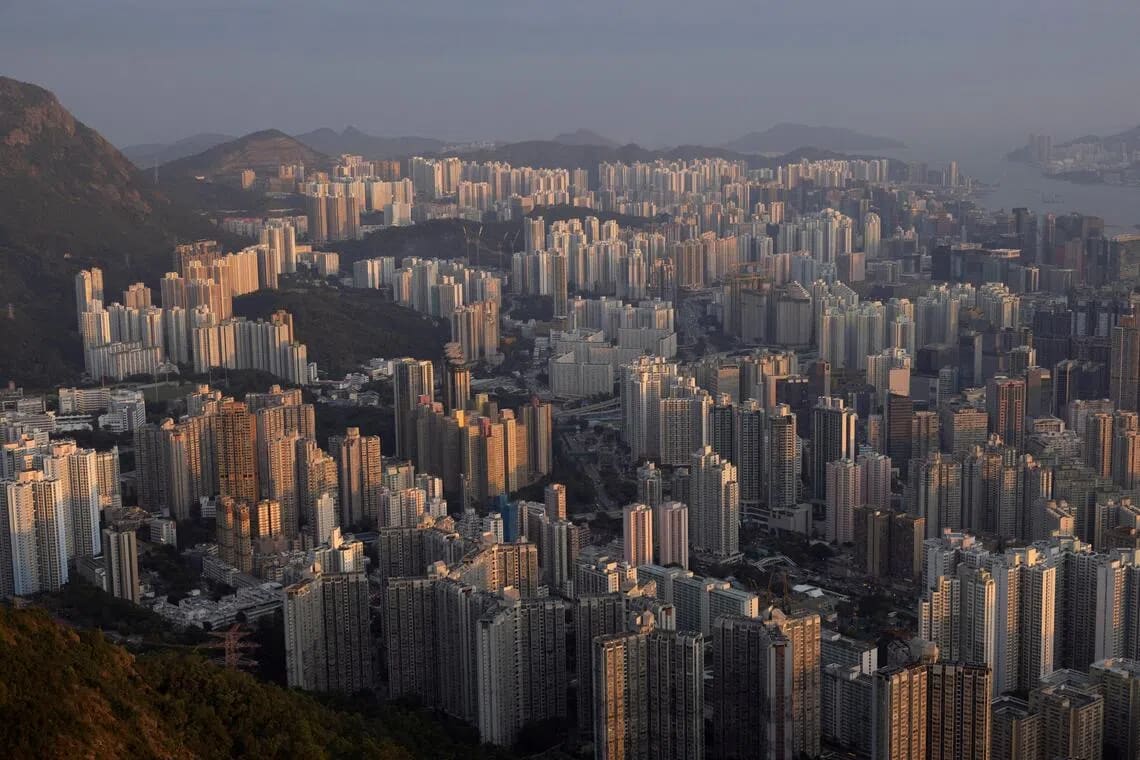
Hong Kong's Northern Metropolis, a multibillion-dollar plan to house 2.5 million residents and anchor a technology corridor near the mainland border, has encountered its first market reality check. Wheelock Properties moved 56 of 100 apartments at Park Silicon on debut day in mid-August, a tepid result that raises questions about developer pricing strategies and buyer appetite for properties in a region that remains years away from full infrastructure.
The Kwu Tung project sits within a vast swath of territory covering roughly one-third of Hong Kong, an expanse of fish ponds, farmland, and villages that authorities unveiled in 2021 as a dual solution to the housing crisis and a vehicle for deeper economic integration with Shenzhen across the border. The vision calls for cutting-edge labs, start-ups, and residential towers to transform the rural frontier into a new economic engine.
But the sales figures suggest the market is unconvinced, at least at current price points.
Premium Pricing in a Remote Location
Wheelock set the average selling price for Park Silicon above HK$17,000 per square foot, a figure that mirrors new developments in West Kowloon and other established urban neighborhoods. For a location that will not have full metro connectivity until 2034, the pricing has drawn scrutiny from analysts who note that buyers are effectively wagering on long-term potential rather than immediate convenience.
Park Silicon will eventually comprise 781 units across two phases. It is the first of three major projects in Kwu Tung to hit the market. Henderson Land Development is preparing to launch North Innovale, a 682-unit development expected to open for sales within weeks. Sun Hung Kai Properties is seeking presale consent for another 642 homes. Together, the three projects represent more than 2,100 apartments entering a market that has only recently emerged from a prolonged downturn.
Morningstar analyst Kathy Chan described the pricing as "aggressive at first sight," noting that the success of Northern Metropolis will hinge on whether it can attract sufficient residents, jobs, and cross-border activity to absorb the pipeline. Without those fundamentals in place, demand may remain constrained.
Land Costs and Timing Pressures
The elevated prices partly reflect the steep land costs developers committed to at the peak of Hong Kong's property cycle. Wheelock outbid 11 rivals in 2021, paying approximately 7 percent above the top end of market estimates. The sector subsequently entered a downturn driven by a slowing economy and elevated interest rates, before stabilizing in 2025.
That timing mismatch has left developers navigating a delicate balance: they need to recover high land acquisition costs while competing in a market that has grown more cautious. Local firms have grown skeptical of the mega-development in recent years. A land sale in the area in 2026 attracted only two bidders, a stark contrast to the competitive frenzy of 2021.
Mainland Demand and Policy Headwinds
Mainland Chinese buyers have become a crucial pillar of Hong Kong's residential market, accounting for roughly half of first-hand sales by value. But recent policy moves by Beijing, including a clampdown on offshore stock trading and insurance purchases by mainland citizens, have introduced a new layer of uncertainty.
UBS Greater China property analyst Mark Leung flagged interest-rate volatility and tighter cross-border investment controls as risks that could limit house price appreciation. If mainland demand softens, the Northern Metropolis pipeline may struggle to find buyers willing to pay urban-level prices for properties in a development zone that remains years away from full transport and commercial infrastructure.
A Long-Term Bet on Integration
The Northern Metropolis concept was designed to deepen Hong Kong's physical and economic ties with the mainland, positioning the territory as a technology and innovation hub that complements Shenzhen's industrial base. The plan calls for research facilities, start-up incubators, and residential neighborhoods to coalesce into a self-sustaining ecosystem.
But the gap between vision and reality remains wide. Infrastructure delays, limited transport options, and the absence of a mature commercial ecosystem mean that early buyers are effectively placing a decade-long bet on the government's ability to execute the plan and on the region's capacity to generate the jobs and amenities that make a residential area attractive.
The Park Silicon sales offer an early signal that the market is not yet ready to fully price in that optimism. With more than 2,000 units queued for launch in Kwu Tung alone, developers and policymakers will be watching closely to see whether pricing adjustments, improved transport timelines, or stronger cross-border demand can shift sentiment. For now, the Northern Metropolis faces the challenge of convincing homebuyers that a remote tech hub is worth urban prices.
RELATED STORIES
Hong Kong's Northern Metropolis Faces Buyer Skepticism as First Homes Launch
Cheng Wei-Lun · 3 min
Hong Kong's Brownfield Exodus Fuels Industrial Property Demand
Cheng Wei-Lun · 3 min
Hong Kong Buyers Queue for Value as Cheung Sha Wan Project Sells Out
Cheng Wei-Lun · 3 min
Hong Kong Banks Race to Finance Student Housing Conversions
Priyanka V. Rao · 4 min
Spot something wrong? Email editor@briefasia.com. We log every correction publicly.