Real Estate · Homes
Hong Kong Housing Market Tests Durability as Flipper Activity Drops
Secondary home prices reach three-year highs even as short-term trading volumes decline sharply, shifting recovery burden to owner-occupiers
KEY TAKEAWAYS
- ·Hong Kong's secondary home prices climbed 0.64 per cent to 162.16, the highest level in three years, as the recovery extended into late August.
- ·Short-term property transactions involving holdings of less than two years have dropped sharply as investors exit after double-digit gains and reassess near-term risk.
- ·Owner-occupiers now drive a larger share of demand, providing steadier support but slower appreciation than speculative buying, with mortgage approvals for primary residences holding firm.
Rally Reaches Three-Year Peak
Hong Kong's secondary housing market has pushed to its strongest level since 2023, with Centaline's benchmark index advancing 0.64 per cent to 162.16 on Friday. The climb marks the latest leg of a recovery that began earlier this year, supported by lower mortgage rates and Beijing's policy loosening for mainland buyers.
Yet beneath the headline gains, a structural shift is taking shape. Investors who profited from the first-half surge are stepping back from rapid-turnover trades, reducing a source of liquidity that helped fuel the initial bounce. The change leaves owner-occupiers and longer-horizon purchasers as the primary demand drivers, a shift that will test whether the rally can sustain momentum without speculative energy.
Short-Term Trades Retreat
Transactions involving properties held for less than two years have fallen sharply in recent months, according to Land Registry data. These quick-flip deals, which surged during the early stages of the rebound, now account for a smaller share of overall volumes as investors lock in gains and reassess risk.
The pullback reflects both profit-taking and caution about near-term price trajectories. Speculators who entered the market in late 2025 or early 2026 have seen double-digit percentage gains on select units, particularly in mass-market estates across Kowloon and the New Territories. With borrowing costs still above pre-pandemic lows and economic uncertainty persisting, many are choosing to exit rather than hold through potential volatility.
Developers have also adjusted their launch schedules, spacing out new project releases to avoid oversupply and maintain pricing discipline. The slower pipeline has reduced opportunities for flippers to secure units at pre-sale discounts and resell them quickly upon completion.
Owner-Occupiers Step In
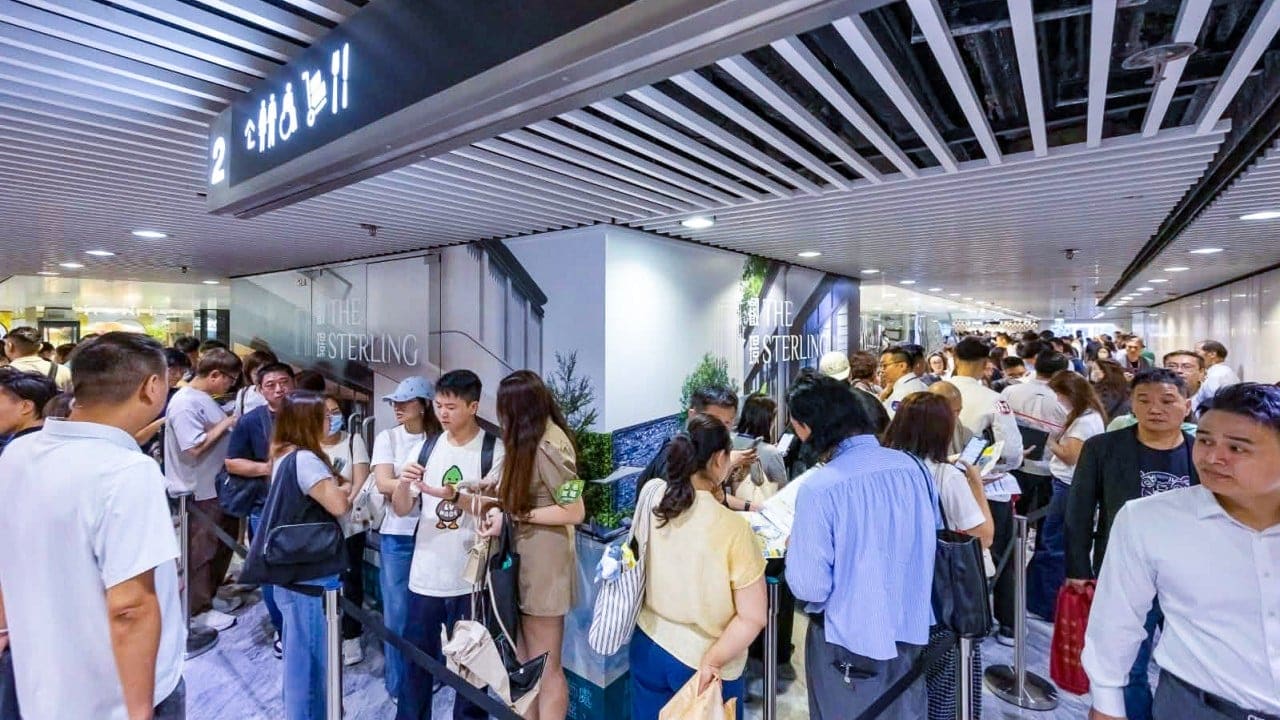
Genuine homebuyers have become a larger proportion of transaction activity, driven by a combination of lifestyle upgrades, family formation, and the perception that prices have stabilized after years of decline. Mortgage approvals for primary residences have held steady, even as investor loans taper off.
This demographic shift carries implications for price dynamics. Owner-occupiers tend to be less sensitive to short-term market fluctuations and more focused on affordability, location, and school districts. Their participation can provide a steadier foundation for prices, but typically generates slower appreciation than speculative buying.
Banks remain cautious in their lending. While headline mortgage rates have edged lower in line with HIBOR movements, loan-to-value ratios for investment properties remain capped at 50 per cent, and stress-test requirements continue to filter out marginal buyers. Regulatory guardrails installed after the 2019 protests and pandemic downturn remain in place, limiting leverage across the system.
Regional Context and Capital Flows
Hong Kong's property cycle sits within a broader regional recalibration. Singapore has extended cooling measures into 2026, keeping a lid on speculative inflows, while Tokyo and Seoul have seen selective tightening in response to apartment price surges in core districts. Mainland Chinese buyers, once a dominant force in Hong Kong's luxury segment, have become more selective as domestic property stress persists and capital controls tighten.
The city's status as a wealth-management hub continues to attract offshore capital, but allocations to real estate have moderated in favor of equities and fixed income as yields normalize. Family offices and high-net-worth individuals are diversifying portfolios rather than concentrating in residential holdings, a shift that reduces marginal demand for trophy assets.
Outlook Hinges on Fundamentals
The sustainability of Hong Kong's housing recovery will depend on income growth, employment stability, and interest-rate paths. If the economy continues its modest expansion and mortgage costs remain contained, owner-occupier demand can underpin prices even without speculative tailwinds.
However, risks remain. A renewed downturn in mainland China, a spike in borrowing costs, or a surge in new supply could pressure valuations. The absence of flipper activity also means less liquidity in the secondary market, potentially amplifying price swings in either direction.
For now, the market is recalibrating. Prices are rising, but the composition of buyers is changing. Whether that shift proves healthy or fragile will become clear in the months ahead.
RELATED STORIES

Hong Kong's Northern Metropolis Faces Buyer Skepticism as First Homes Launch
Cheng Wei-Lun · 3 min
Hong Kong Buyers Queue for Value as Cheung Sha Wan Project Sells Out
Cheng Wei-Lun · 3 min
Hong Kong Banks Race to Finance Student Housing Conversions
Priyanka V. Rao · 4 min
Expat Retirees Return to Hong Kong, Fueling Premium Property Sales
Priyanka V. Rao · 3 min
Spot something wrong? Email editor@briefasia.com. We log every correction publicly.