Real Estate · Homes
Expat Retirees Return to Hong Kong, Fueling Premium Property Sales
Industry analysts report growing demand for luxury homes as former residents choose the city for long-term retirement, citing tax advantages and regional business access.
KEY TAKEAWAYS
- ·Expatriates who previously worked in Hong Kong are increasingly returning to purchase premium properties for retirement, reversing traditional relocation patterns.
- ·The city's territorial tax system, capped at 15 percent for most earners, and absence of capital gains tax on property attract retirees with offshore income.
- ·Real estate firms expect this demographic shift to provide stability in the luxury segment, with retiree buyers representing longer holding periods than speculative investors.
A Reversal in Retirement Patterns
Hong Kong's premium residential market is experiencing a shift in buyer demographics, with expatriates who previously worked in the city increasingly returning to purchase property for retirement. The trend marks a departure from past patterns, when foreign professionals typically relocated elsewhere after their careers ended.
Property consultants are reporting rising interest from this segment, particularly among those who spent significant portions of their careers in the city. The buyers cite Hong Kong's taxation framework and its position as a regional business hub as primary factors in their decision to establish permanent residence.
According to Habitat Property, many expatriates who would have traditionally chosen other retirement destinations are now opting to remain in Hong Kong and invest in real estate. The firm's leadership notes that these buyers are making long-term commitments rather than short-term property investments.
Tax Structure and Regional Access
Hong Kong's territorial tax system, which levies income tax only on locally sourced earnings, presents a significant advantage for retirees with offshore assets or passive income streams. The city's standard salaries tax rates, capped at 15 percent for most earners, contrast favorably with higher brackets in North America, Europe, and Australia.
Beyond fiscal considerations, the city's connectivity to mainland China and Southeast Asian markets continues to attract individuals maintaining business interests or advisory roles during retirement. Direct access to these economies through Hong Kong's financial infrastructure and physical proximity provides opportunities unavailable in traditional retirement hubs.
The absence of capital gains tax on property transactions and no estate duty further enhance the city's appeal for wealth preservation strategies. These structural advantages have become more prominent as other jurisdictions tighten tax enforcement and reporting requirements for foreign residents.
Market Implications
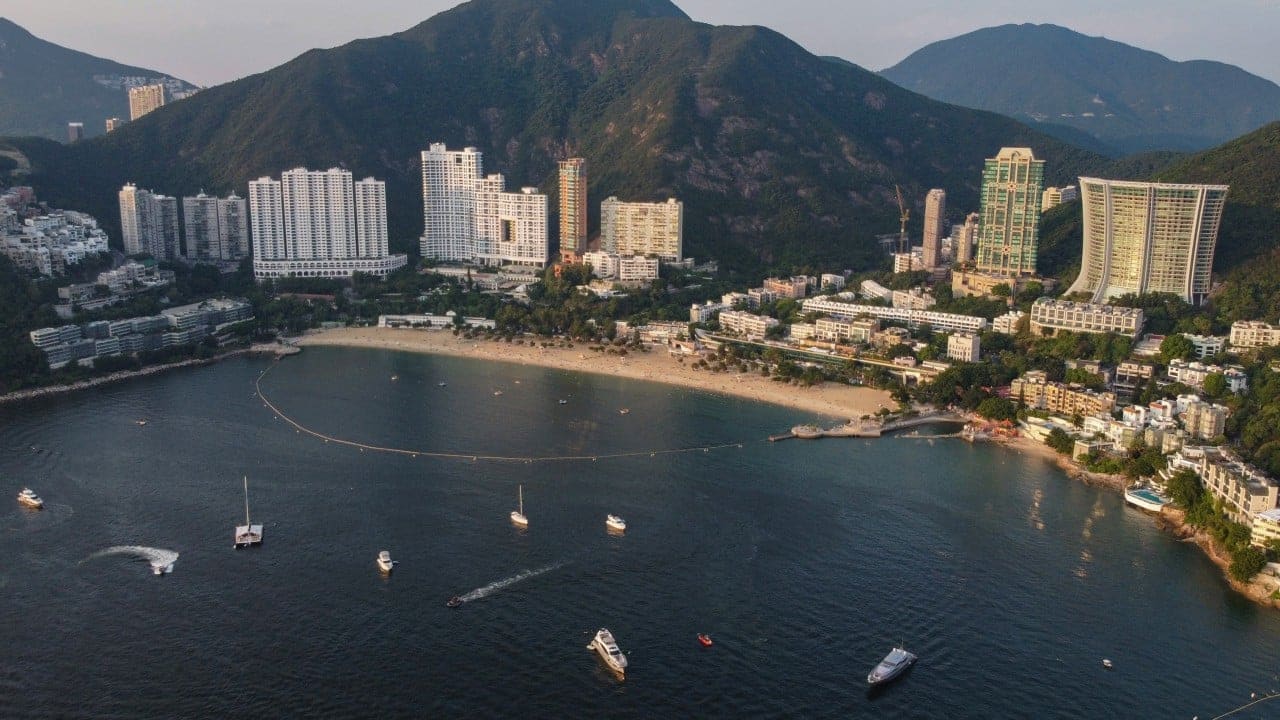
The influx is expected to sustain demand in Hong Kong's high-end property segment, which has faced pressure from various economic headwinds in recent years. Transactions in the luxury tier typically involve properties valued above HK$20 million, concentrated in districts such as the Peak, Mid-Levels, Repulse Bay, and select areas of Kowloon.
Real estate firms specializing in premium properties are adjusting their client acquisition strategies to target former expatriate professionals. The buyer profile differs from traditional luxury purchasers, with retirees prioritizing factors such as healthcare access, community infrastructure, and property management quality over investment yield.
Industry observers note that this demographic shift could provide stability to a market segment that has historically been volatile. Unlike speculative investors or corporate relocations subject to employment cycles, retiree buyers represent a more consistent demand base with longer holding periods.
Broader Regional Context
Hong Kong's emergence as a retirement destination reflects broader shifts in global mobility patterns among affluent retirees. Traditional destinations such as Portugal, Spain, and Thailand have seen increased competition as cities across Asia enhance their appeal to foreign residents.
Singapore has similarly attracted retiree interest through visa programs targeting high-net-worth individuals, while Malaysia's MM2H program has undergone revisions to balance accessibility with economic contribution requirements. Hong Kong's approach relies less on formal retirement visa schemes and more on its existing business and investment immigration pathways.
The trend also intersects with wealth migration patterns across Asia, as individuals seek jurisdictions offering political stability, rule of law, and established financial systems. Hong Kong's common law framework and independent judiciary remain key differentiators in the region.
Infrastructure and Lifestyle Factors
Beyond economic considerations, Hong Kong's healthcare system ranks among the world's most advanced, with both public and private sectors offering high-quality medical services. International hospitals and specialist clinics cater specifically to expatriate communities, providing continuity of care for long-term residents.
The city's compact geography and extensive public transportation network reduce reliance on personal vehicles, a practical consideration for aging populations. Cultural amenities, international dining options, and English-language accessibility further support the transition for returning expatriates.
However, challenges remain, including high living costs, limited green space, and air quality concerns that periodically affect urban areas. Property maintenance fees in luxury developments can also represent significant ongoing expenses beyond initial purchase prices.
The long-term sustainability of this trend will depend on Hong Kong's ability to maintain its competitive advantages while addressing quality-of-life factors that influence retirement decisions. As regional cities enhance their own offerings, the city faces ongoing pressure to differentiate itself in an increasingly competitive landscape for global talent and capital.
RELATED STORIES
Hong Kong's Brownfield Exodus Fuels Industrial Property Demand
Cheng Wei-Lun · 3 min
Owner-Occupiers Snap Up Hong Kong Office Space at Steep Discounts
Priyanka V. Rao · 4 min

Hong Kong Gold Futures Hit Record Delivery as Sanctions Drive Demand
Cheng Wei-Lun · 4 min

Physical Gold Deliveries Surge at Hong Kong Exchange
Cheng Wei-Lun · 3 min
Spot something wrong? Email editor@briefasia.com. We log every correction publicly.