Real Estate · Offices
Owner-Occupiers Snap Up Hong Kong Office Space at Steep Discounts
While investors stay away from the city's battered noncore office market, end-users are seizing the opportunity to acquire properties at prices well below recent peaks.
KEY TAKEAWAYS
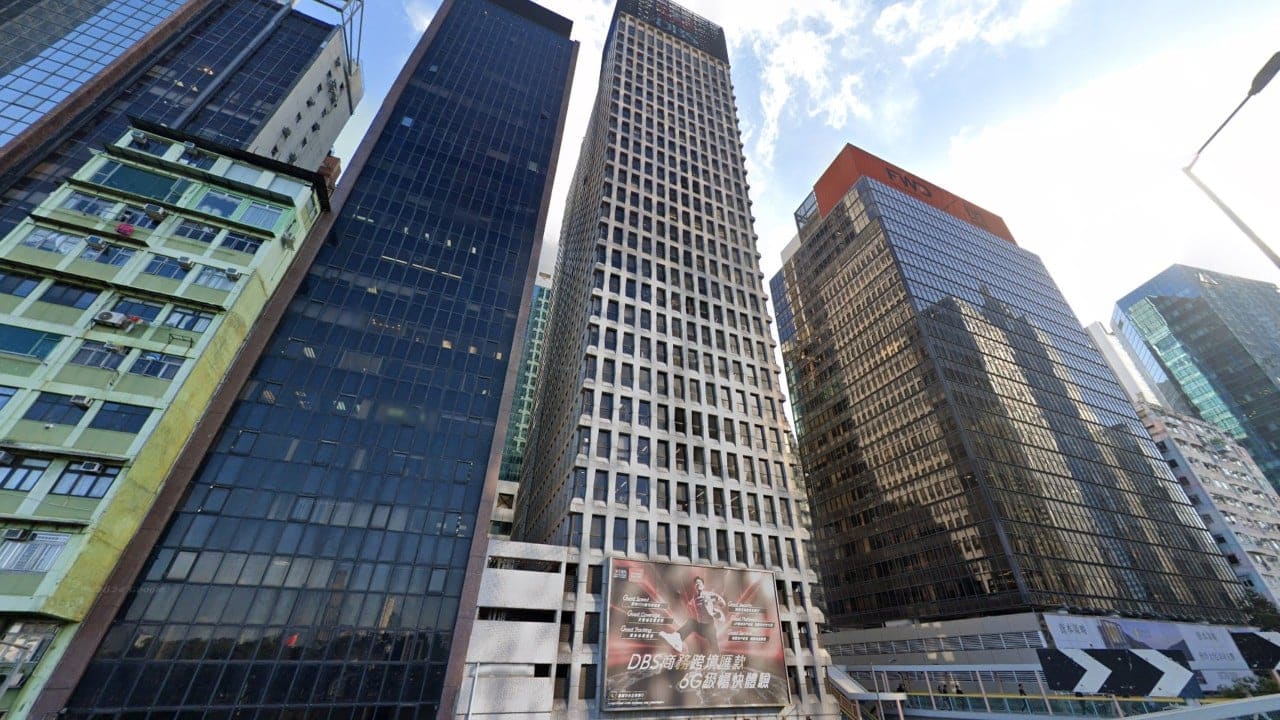
- ·The Estate Agents Authority purchased a 7,343 square foot office in Wan Chai for HK$70 million, or HK$9,533 per square foot, reflecting steep discounts in Hong Kong's noncore office market.
- ·Owner-occupiers are stepping into the market to acquire space for their own use at prices 20 to 30 percent below peak valuations, while institutional investors remain on the sidelines.
- ·High vacancy rates and structural shifts in office demand continue to pressure noncore properties, creating opportunities for end-users seeking long-term occupancy at reduced costs.
Buyers Move Into Weak Market
Hong Kong's secondary office market continues to struggle with elevated vacancy rates and limited investor interest, but a different group of buyers is finding opportunity in the downturn. Owner-occupiers - businesses purchasing space for their own use rather than investment - are acquiring properties at prices significantly below recent market levels.
The Estate Agents Authority completed a transaction earlier this month for an office unit at the OTB Building in Wan Chai, paying HK$70 million for 7,343 square feet, according to Land Registry records. The HK$9,533 per square foot price tag represents a sharp discount from the building's previous transaction benchmarks and reflects the broader malaise affecting offices outside Hong Kong's prime Central district.
The purchase illustrates a trend taking shape across the city's noncore commercial zones. While institutional investors and speculators remain cautious amid uncertain economic conditions and persistently high vacancy rates, companies seeking to consolidate operations or reduce long-term rental costs are stepping into the market. The calculus is straightforward: with prices down and sellers under pressure, end-users can lock in occupancy costs at levels that may prove attractive over a multi-year horizon.
Diverging Market Segments
Hong Kong's office market has split into two distinct narratives. Prime Grade A buildings in Central and other core districts continue to command premium rents and attract multinational tenants, though even these assets have not been immune to pressure. Meanwhile, older buildings in districts like Wan Chai, Sheung Wan, and Kowloon East face a more difficult environment, with landlords competing for tenants and transaction volumes remaining thin.
The noncore segment has been hit particularly hard by structural shifts in demand. The rise of hybrid work arrangements has reduced space requirements for many companies, while others have relocated to newer developments offering modern amenities and better energy efficiency. Buildings constructed in earlier decades often struggle to compete on these dimensions, leaving owners with limited options: accept lower rents, offer generous fit-out contributions, or sell at discounted valuations.
For owner-occupiers, these dynamics create an opening. A business that expects to maintain a physical presence in Hong Kong for the foreseeable future can acquire space at prices that compare favorably to the cumulative cost of leasing over five or ten years. The decision to buy rather than rent also provides operational stability, insulating the company from future rent increases if and when the market recovers.
Transaction Activity and Pricing Pressure
The Wan Chai deal is not an isolated case. Similar transactions have been recorded in other noncore districts, though overall volume remains subdued compared to the market's more active periods. Sellers in these segments often face pressure to transact, whether due to debt servicing costs, portfolio rebalancing, or simply a desire to exit a stagnant asset class.
Pricing across the noncore office market has adjusted downward over the past two years, with some properties trading at discounts of 20 to 30 percent or more from their peak valuations. The HK$9,533 per square foot paid by the Estate Agents Authority sits well below the per-square-foot prices achieved in comparable buildings during the market's stronger years, underscoring the extent of the correction.
Vacancy rates in noncore office buildings have remained elevated, with many landlords offering rent-free periods and other incentives to attract tenants. These concessions erode effective rental income and weigh on property valuations, creating a feedback loop that further discourages investment-oriented buyers. Owner-occupiers, by contrast, are less sensitive to these dynamics, as their primary concern is securing functional space at a reasonable all-in cost.
Outlook for the Sector
The outlook for Hong Kong's noncore office market remains uncertain. Economic headwinds, including tepid growth in mainland China and ongoing adjustments in the financial services sector, continue to weigh on demand for office space. At the same time, the supply of aging office stock is unlikely to shrink quickly, as redevelopment projects face high costs and regulatory hurdles.
For sellers, the current environment may represent a prolonged period of price discovery, with valuations settling at levels that reflect both the structural challenges facing older buildings and the cautious stance of traditional investors. For owner-occupiers, however, the downturn offers a rare window to acquire assets at prices that may not be available once market sentiment improves.
The Wan Chai transaction and others like it suggest that while the noncore office market may lack the momentum and liquidity of its prime counterpart, it is not devoid of activity. Instead, the composition of buyers is shifting, with businesses prioritizing long-term occupancy over short-term returns stepping in where investors have pulled back. Whether this activity will be sufficient to stabilize prices or catalyze a broader recovery remains to be seen, but it marks a notable development in a market that has struggled to find its footing.
RELATED STORIES
Hong Kong Property Rally Faces Four Headwinds
Cheng Wei-Lun · 3 min
Hong Kong's Northern Metropolis Project Sells Half of Initial Batch in Weekend Launch
Cheng Wei-Lun · 2 min
Hysan Development Posts 7.4% Earnings Gain on Bamboo Grove Sales
Cheng Wei-Lun · 3 min
Hong Kong Renters Weigh Homeownership as Rents Climb 5.2 Percent
Lim Hui Ying · 3 min
Spot something wrong? Email editor@briefasia.com. We log every correction publicly.