Real Estate · Homes
Hong Kong Luxury Sellers Cut Asking Prices as Market Cools
Nearly one-third of high-end property owners are willing to negotiate downward as secondary market transactions slow and buyers gain leverage
KEY TAKEAWAYS
- ·Roughly 30% of Hong Kong luxury property sellers are now willing to reduce asking prices by up to 10% as market conditions shift in favor of buyers.
- ·Film star Chow Yun-fat cut HK$35 million from his Peak property asking price to HK$160 million, part of a broader pattern of celebrity sellers adjusting valuations downward.
- ·Property agents expect continued slowdown in secondary luxury transactions as economic uncertainty and elevated borrowing costs reduce buyer activity in the premium segment.
Price Adjustments Ripple Through High-End Market
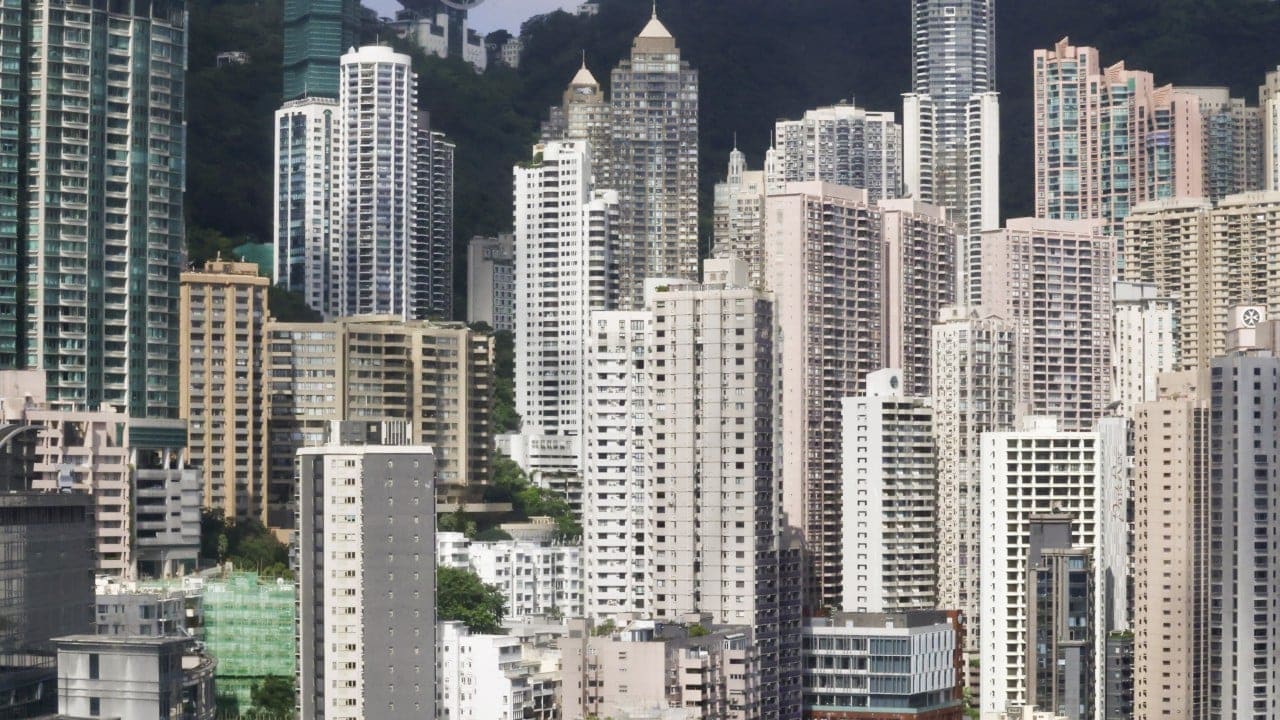
Hong Kong's luxury property sector is entering a period of recalibration, with roughly 30% of owners seeking to offload high-end homes now willing to accept lower prices, according to property agents operating in the city's premium segments. The shift marks a notable change in seller sentiment after years of holding firm on valuations in one of the world's most expensive residential markets.
Film star Chow Yun-fat recently reduced the asking price for his detached house at 48 Mount Kellett Road, The Peak, by HK$35 million to HK$160 million (US$20.5 million). The property, located in the exclusive Sunshine Villa development, is among several celebrity-owned assets that have changed hands after owners adjusted their expectations downward.
Actor Stephen Fung Tak-lun and singer-actor William Chan Wai-ting also lowered prices before completing sales of their luxury properties in recent months. The pattern reflects broader market dynamics that are giving buyers more negotiating power in a segment that has historically favored sellers.
Transaction Volume Declines
Property agents working in the luxury segment anticipate continued slowdown in secondary market activity over the short term. The combination of economic uncertainty, higher borrowing costs, and shifting buyer priorities has reduced the pool of active purchasers willing to transact at peak valuations.
Agents report that price reductions of up to 10% are becoming more common as sellers seek to attract serious buyers in a quieter market. The adjustments are particularly visible in detached houses and high-value apartments on Hong Kong Island, where inventory has accumulated as transaction velocity slowed.
The luxury segment's cooling follows a period of resilience during which high-net-worth buyers, including mainland Chinese purchasers and expatriate executives, maintained demand for premium assets. That support has weakened as capital flows shift and economic headwinds increase caution among affluent buyers.
Regional Context
Hong Kong's luxury property market does not operate in isolation. Across major Asian financial centers, high-end residential assets are facing pressure as interest rate environments remain elevated and wealth creation slows in key source markets. Singapore's premium segment has similarly seen transaction volumes decline, while Tokyo's luxury market has shown more stability due to currency dynamics and domestic demand.
The willingness of Hong Kong sellers to negotiate reflects a pragmatic reassessment of market conditions. With fewer buyers competing for premium assets, owners who need liquidity or wish to reallocate capital are adjusting prices to meet current demand rather than waiting for a market recovery that may not materialize in the near term.
Outlook for Premium Segment
The secondary luxury market's trajectory will depend heavily on broader economic conditions, including Hong Kong's financial sector performance, mainland China's economic growth, and regional capital flows. Property agents note that while prices are softening, the adjustments remain modest compared to downturns in previous cycles.
Buyers with capital and long-term investment horizons may find opportunities as sellers become more flexible. However, the market is unlikely to see a sharp rebound in transaction activity without clearer economic signals or policy changes that boost buyer confidence.
For now, the luxury property landscape in Hong Kong is one of recalibration, with both buyers and sellers adjusting to a market where valuations are no longer moving in a single direction. The willingness of high-profile owners to accept lower prices signals that the adjustment phase is underway, and further price discovery is likely as the market finds a new equilibrium.
RELATED STORIES
Hong Kong Property Prices Forecast to Climb 15% as Buyers Return
Tran Quoc Bao · 3 min
Hong Kong Housing Market Tests Durability as Flipper Activity Drops
Cheng Wei-Lun · 3 min
Hong Kong Awards First Northern Metropolis Land to Mainland-Local Consortium
Cheng Wei-Lun · 3 min
Hong Kong's Distressed Property Sales May Ease as Market Stabilizes
Priyanka V. Rao · 3 min
Spot something wrong? Email editor@briefasia.com. We log every correction publicly.