Real Estate · Offices
Hong Kong's Distressed Property Sales May Ease as Market Stabilizes
Creditor-led transactions are expected to decline as commercial real estate values find a floor, though refinancing challenges persist for leveraged owners
KEY TAKEAWAYS
- ·Hong Kong's commercial property market is seeing a moderation in financial distress and creditor-led sales as asset values begin to stabilize after a multi-year downturn.
- ·Highly leveraged property owners continue to face refinancing challenges despite market stabilization, with lenders applying stricter underwriting standards and elevated capital costs.
- ·Opportunistic investors are selectively re-entering the market, targeting discounted assets in prime locations while transaction volumes remain below historical norms.
Market Distress Shows Signs of Easing
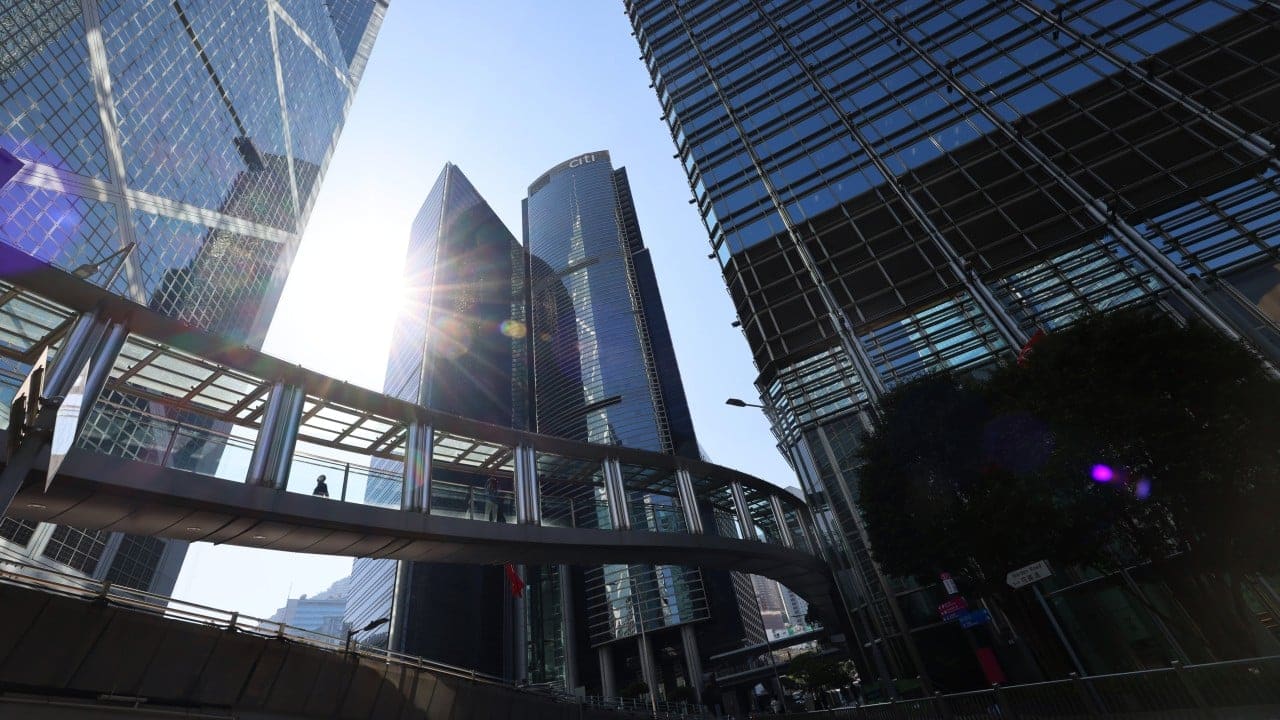
Hong Kong's commercial real estate sector is emerging from a prolonged period of financial stress, with analysts observing a moderation in distressed transactions as property values begin to stabilize. The city's office and retail segments have endured a multi-year downturn driven by oversupply, weakened consumption, and the rapid interest rate increases that triggered widespread loan defaults.
Financial institutions and market observers now anticipate that creditor-led property sales, which surged during the worst of the downturn, will become less frequent as asset values establish a more predictable floor. The shift reflects a gradual return of confidence among lenders and investors, even as pockets of vulnerability remain.
Leverage Remains a Pressure Point
While the acute phase of distress appears to be waning, property owners carrying high levels of debt continue to face significant refinancing obstacles. Lenders have grown more conservative in their underwriting standards, and the cost of capital remains elevated compared to the low-rate environment that prevailed before 2022.
Analysts caution that the path to full recovery will be uneven. Assets with strong fundamentals, prime locations, or long-term tenant commitments are attracting renewed interest and securing refinancing at more favorable terms. By contrast, secondary or poorly positioned properties may struggle to roll over maturing loans, particularly if rental income has declined or vacancy rates remain elevated.
Supply-Demand Imbalance Begins to Correct
The commercial property slump was amplified by a wave of new supply that hit the market just as demand weakened. Office occupiers scaled back their space requirements amid remote work trends and economic uncertainty, while retailers curtailed expansion plans in response to subdued consumer spending.
Recent quarters have seen a gradual rebalancing. New project completions are slowing, and absorption rates for quality space have improved in select submarkets. Rents in prime office districts have shown early signs of stabilization, though they remain well below peak levels reached before the downturn.
Lender Strategies Shift Toward Workouts
Banks and other creditors, having spent the past two years managing a surge in non-performing loans and restructuring cases, are now adopting more flexible approaches to distressed assets. Rather than forcing immediate sales into a depressed market, many lenders are exploring loan extensions, partial debt forgiveness, or equity conversions to preserve value and avoid crystallizing losses.
This pragmatic stance reflects a recognition that liquidating assets during a trough can destroy value for all parties. As property fundamentals improve, lenders are increasingly willing to work with borrowers to bridge temporary liquidity gaps, provided the underlying collateral demonstrates long-term viability.
Investor Appetite Returns Selectively
Opportunistic capital, including private equity funds and regional family offices, has begun to re-enter Hong Kong's commercial property market. These investors are targeting assets that offer meaningful discounts to replacement cost or that can be repositioned through asset management strategies.
Transaction volumes remain below historical norms, but the quality of deals has improved. Buyers are conducting more rigorous due diligence and demanding stronger covenants, a shift that contrasts with the more speculative activity that characterized earlier cycles.
Outlook Depends on Broader Economic Recovery
The trajectory of Hong Kong's commercial property market will ultimately hinge on the city's economic performance and its ability to attract tenants and consumers. Corporate hiring trends, cross-border travel flows, and household spending patterns will all influence occupancy and rental growth in the coming quarters.
Analysts note that while the worst of the distress cycle appears to be over, a sustained recovery will require more than just stable asset values. Fundamentals such as tenant demand, rental income growth, and investor confidence must all strengthen in tandem for the market to return to health.
RELATED STORIES
Hong Kong Housing Market Tests Durability as Flipper Activity Drops
Cheng Wei-Lun · 3 min
Hong Kong Buyers Queue for Value as Cheung Sha Wan Project Sells Out
Cheng Wei-Lun · 3 min
Hong Kong Awards First Northern Metropolis Land to Mainland-Local Consortium
Cheng Wei-Lun · 3 min

Hong Kong's Northern Metropolis Faces Buyer Skepticism as First Homes Launch
Cheng Wei-Lun · 3 min
Spot something wrong? Email editor@briefasia.com. We log every correction publicly.