Travel & Dining · Dining
Hokkaido's Seafood Bowls Shift Away From Sea Urchin as Supplies Dwindle
Rising prices and falling catches force restaurants to rethink the traditional kaisendon lineup across Japan's northern island
KEY TAKEAWAYS
- ·Sea urchin is disappearing from Hokkaido kaisendon bowls as falling fisheries production drives prices too high for everyday restaurant service.
- ·Restaurants are replacing traditional ingredients with tuna and salmon, which offer more stable supply chains and predictable pricing.
- ·The shift reflects broader pressures on Japan's seafood-dependent regions, where warming waters and declining catches are forcing menu changes.
The Changing Bowl
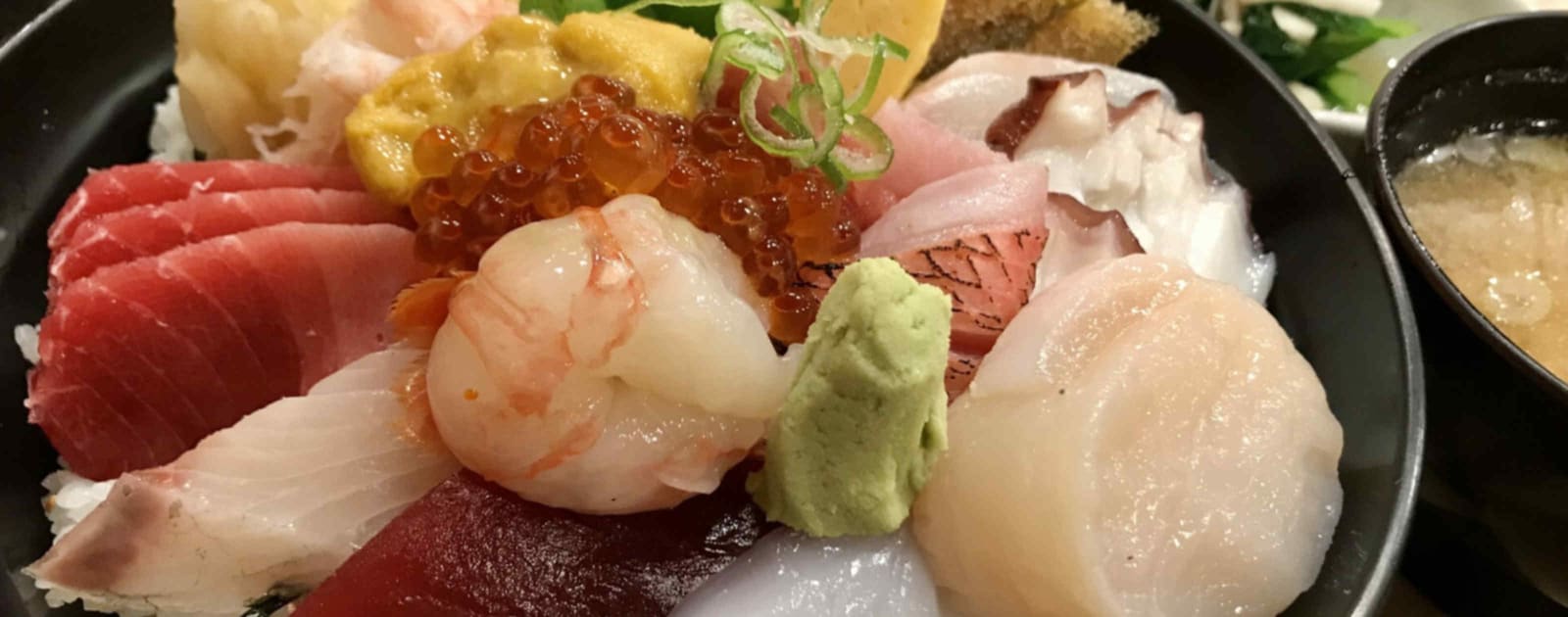
Walk into a seafood restaurant in Asahikawa today and the kaisendon sitting before you looks different than it did five years ago. The glistening orange sea urchin that once crowned rice bowls across Hokkaido is increasingly absent, replaced by tuna, salmon, and other fish with steadier supply lines and friendlier price tags.
The shift reflects a harder reality beneath the surface. Hokkaido's fisheries production has been falling, making traditional favorites prohibitively expensive for many establishments. What was once a regional staple is becoming a luxury item, forcing restaurants to recalibrate their menus and diners to adjust their expectations.
Kaisendon, the Japanese dish of fresh raw seafood served over seasoned rice, has long been synonymous with Hokkaido's coastal identity. Sea urchin, salmon roe, crab, and fatty tuna formed the classic quartet. But as catches decline and wholesale prices climb, operators are making pragmatic choices about what belongs in the bowl.
Supply Pressure From the North
Hokkaido accounts for a significant share of Japan's domestic seafood production, but volumes have been sliding. Warming waters, shifting migration patterns, and decades of intensive harvesting have all taken their toll. Sea urchin, particularly sensitive to environmental changes and dependent on kelp forests that themselves are under stress, has seen some of the steepest declines.
The numbers tell the story. Fisheries data shows catches falling year over year, and auction prices have responded in kind. What restaurants once purchased at manageable rates now commands premiums that make everyday service unsustainable. For family-run shops and mid-tier dining establishments, the math no longer works.
Tuna, by contrast, benefits from global supply chains and established aquaculture operations. Farmed salmon from Norway and Japan's own growing domestic production offers consistency. These species can be sourced reliably and priced predictably, making them the logical substitutes when local waters no longer deliver.
Menu Engineering in Real Time
Restaurant operators are navigating this transition with a mix of resignation and creativity. Some have eliminated sea urchin from standard bowls entirely, offering it only as a premium add-on or seasonal special when supply permits. Others have shifted focus to multi-species bowls that emphasize variety over any single marquee ingredient.
The change is not merely cosmetic. It represents a recalibration of regional food culture, one driven by economic and environmental forces rather than consumer preference. Diners still want kaisendon, but the version they receive today reflects the constraints of the present rather than the abundance of the past.
This is not unique to Hokkaido. Across Japan, seafood-dependent regions are grappling with similar pressures. Eel prices have fluctuated wildly, saury catches have plummeted, and bluefin tuna remains subject to international quota negotiations. The kaisendon bowl is a microcosm of these broader tensions.
What Stays, What Goes
The ingredients gaining ground are those with resilient supply chains. Tuna, whether bluefin or its more affordable cousins, remains a fixture. Salmon, both wild and farmed, fills the gap left by pricier options. Mackerel, scallops, and octopus round out the rotation, each chosen for availability as much as flavor.
Sea urchin, once taken for granted, is now the exception rather than the rule. Its presence signals either a special occasion or a higher price point. For younger diners, kaisendon without sea urchin may simply become the norm, a baseline reset that older generations will recognize as a departure.
The broader implication is clear: traditional dishes are not static. They evolve in response to the ecosystems and economies that sustain them. Hokkaido's seafood bowls are changing because the waters around the island are changing, and the businesses that depend on them are adapting in real time.
The Path Ahead
Whether this shift proves temporary or permanent depends on factors beyond any single restaurant's control. If fisheries recover, sea urchin may reclaim its place. If warming continues and stocks remain depressed, today's substitutions will harden into tomorrow's traditions.
For now, the kaisendon bowl reflects a pragmatic compromise. It remains a showcase for Hokkaido's seafood, just not always the seafood it once was. Diners still leave satisfied, even if the experience has quietly changed. The bowl endures, even as its contents are rewritten by forces larger than taste alone.
RELATED STORIES
Korean Coffee Chain Paik's Opens First Tokyo Locations
Cheng Wei-Lun · 3 min
Australia's Rare Earth Push Faces Cost Test as Industry Eyes China Alternative
Aiko Nakamura · 4 min
Rapidus Builds Packaging and Analysis Facilities at Hokkaido Semiconductor Hub
Cheng Wei-Lun · 3 min

Oil Stockpiles Fall as Hormuz Disruption Stalls Middle East Shipments
Cheng Wei-Lun · 3 min
Spot something wrong? Email editor@briefasia.com. We log every correction publicly.