Sustainability · Nature
Australia's Rare Earth Push Faces Cost Test as Industry Eyes China Alternative
Canberra positions itself as responsible supplier, but question remains whether buyers will pay premium for cleaner production
KEY TAKEAWAYS
- ·Australia positions itself as environmentally responsible rare earth supplier alternative to China, which controls 70% of global production with documented pollution issues.
- ·Core question remains whether automakers and manufacturers will pay premium for cleaner rare earth processing that meets stricter Western environmental standards.
- ·Lynas Rare Earths Malaysia operations and upcoming long-term offtake agreements will test whether buyers prioritize supply security over lowest cost sourcing.
The Environmental Trade-Off
Australia's ambition to challenge China's rare earth dominance hinges on a calculation that has yet to be proven: whether manufacturers will pay more for materials extracted and refined with less environmental damage. The question goes beyond mining economics into territory where corporate sustainability pledges meet procurement budget realities.
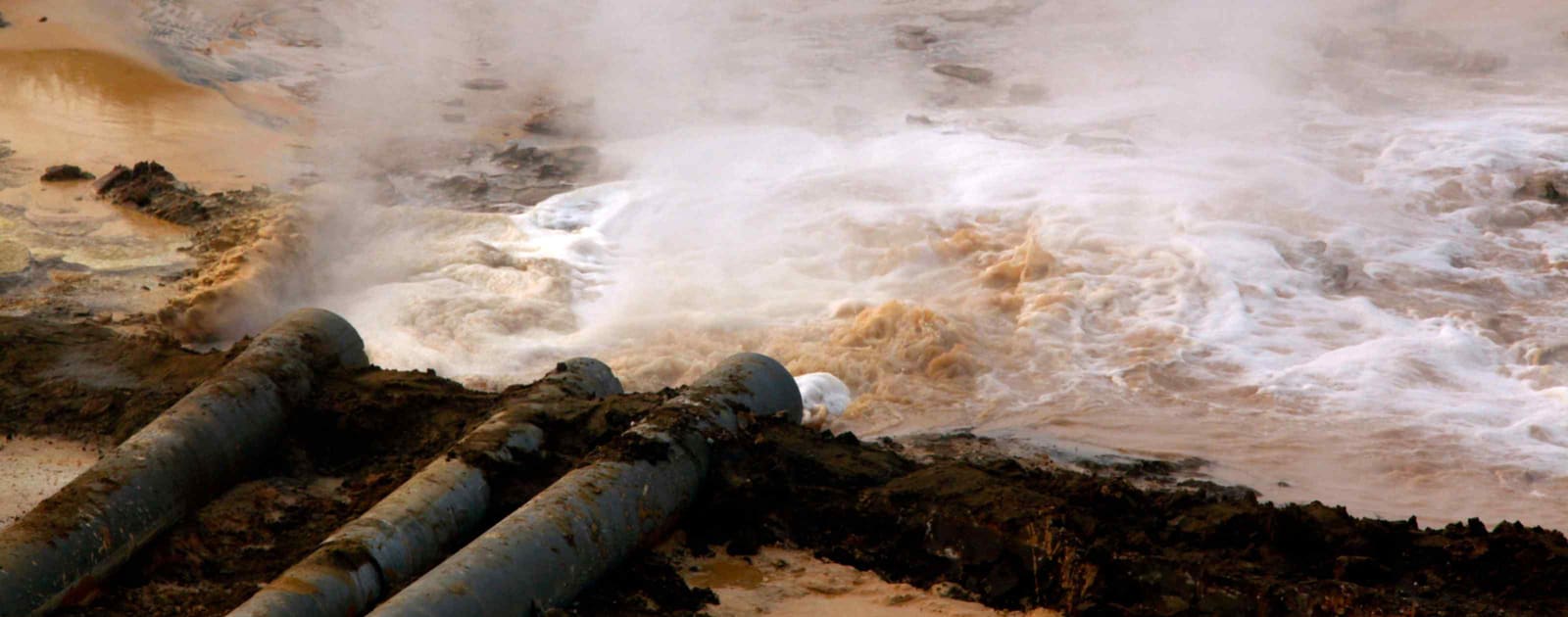
China supplies roughly 70% of global rare earth production, a position built over decades through aggressive pricing and, critics argue, lax environmental oversight. Wastewater discharge from refining facilities into lakes and groundwater contamination near mining sites have documented the ecological cost of that market share. Australia now positions itself as the cleaner alternative, betting that supply chain diversification concerns and environmental standards will create appetite for its output.
The math is straightforward on paper. Rare earth processing generates radioactive waste, uses substantial volumes of water, and requires chemical separations that produce toxic runoff. Meeting Western environmental regulations adds cost at every stage. Australian operations face stricter permitting, mandatory remediation bonds, and public scrutiny that Chinese competitors often sidestep. Those compliance expenses flow directly into per-kilogram pricing.
Buyer Hesitation
Tokyo and Washington have both signaled interest in non-Chinese rare earth sources. Japan's trade ministry has backed domestic seabed extraction projects and invested in overseas ventures. The U.S. Defense Department classifies rare earths as critical materials and has extended financing to North American processors. Yet government support for capacity building does not automatically translate into corporate willingness to accept higher input costs.
Rare earths are essential to permanent magnets in electric vehicle motors, wind turbine generators, and defense electronics. Automakers operate on thin margins; adding even modest material cost increases can shift product competitiveness. Wind farm developers bid into power purchase agreements years in advance, with little room to absorb supply chain price swings. Defense contractors work under fixed-price contracts where rare earth cost overruns eat directly into profit.
Australian producers acknowledge the tension. They argue that concentration risk and supply security justify modest premiums, particularly for strategic applications. The counterargument from procurement teams is that rare earths are globally traded commodities, and paying above market rates requires board-level approval that hinges on quantifiable risk reduction.
The Malaysia Test Case
Lynas Rare Earths, Australia's largest producer, operates a controversial processing plant in Malaysia that has become a real-world laboratory for these dynamics. The facility faced local opposition over waste handling and has navigated regulatory reviews tied to environmental concerns. Lynas has stated that Chinese export restrictions are pushing up costs of its Malaysian expansion, underscoring how compliance and geopolitical factors compound pricing pressure.
The Malaysia operation illustrates the complexity. Lynas mines in Western Australia and ships concentrate to Malaysia for separation and refining, a geographic split driven by cost and regulatory considerations. Even with that optimization, the company must demonstrate environmental performance that satisfies Malaysian authorities and global customers. That performance costs money, and the question remains who pays.
Market Structure Realities
Rare earth pricing is opaque, negotiated bilaterally rather than traded on transparent exchanges. Chinese producers can adjust export volumes and pricing to defend market share, a lever they have used when non-Chinese capacity has emerged in the past. Australia's environmental advantage becomes moot if buyers can source equivalent materials from China at a 15% or 20% discount.
Some industry observers suggest the solution lies in long-term offtake agreements that lock in volume commitments at prices that reflect full environmental costs. Automakers and turbine manufacturers would essentially pre-pay for supply security and cleaner production through contracted rates above spot market levels. Such agreements exist in lithium and cobalt markets, but rare earths have seen fewer examples, partly because buyers have historically relied on Chinese spot availability.
Forward Pressure
The trajectory will likely be set by a handful of large buyers whose procurement decisions shape market signals. If major EV manufacturers or wind turbine producers sign offtake deals with Australian suppliers at prices that acknowledge environmental compliance costs, it creates precedent and validates the business model. If they continue optimizing for lowest landed cost, Australia's responsible supplier pitch remains aspirational.
Regulatory tailwinds may force the issue. The European Union's Critical Raw Materials Act and proposed battery regulations include supply chain due diligence requirements that could disadvantage materials from environmentally problematic sources. U.S. Inflation Reduction Act tax credits for EVs contain domestic content provisions that indirectly favor non-Chinese supply chains. These policies create structural incentives, but implementation details and enforcement will determine whether they genuinely shift buyer behavior.
Australia's rare earth sector is expanding capacity on the assumption that geopolitical and environmental considerations will eventually override pure cost optimization. Whether that assumption holds will become clear as new projects come online over the next three years and face the test of attracting customers willing to pay for the difference.
RELATED STORIES
Global Efforts to Break China's Rare Earth Grip Fall Short
Cheng Wei-Lun · 4 min
Chinese Manufacturers in Malaysia Struggle to Build Local Teams
Cheng Wei-Lun · 4 min

Japanese Automakers Turn to Startups for Self-Driving Technology
Aiko Nakamura · 2 min
Taiwan Suppliers Face Delivery Delays as Beijing Slows Critical Materials Clearances
Cheng Wei-Lun · 3 min
Spot something wrong? Email editor@briefasia.com. We log every correction publicly.