Real Estate · Land
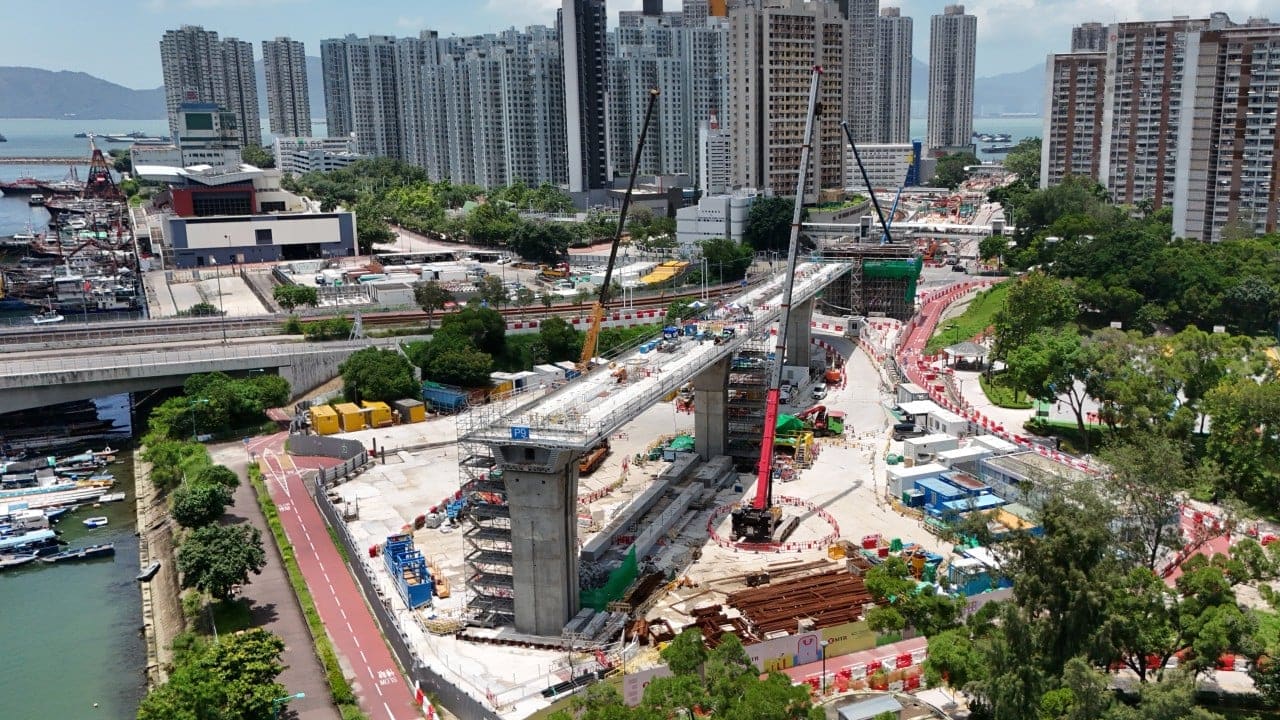
Four Bids Land for Major Hong Kong Rail Transit Development Site
City's largest property groups vie for MTR Corporation's Tuen Mun Area 16 station project in rare large-scale tender
KEY TAKEAWAYS
- ·MTR Corporation received four bids for its Tuen Mun Area 16 Station phase two development, with CK Asset, Sun Hung Kai Properties, Henderson Land, and a four-member consortium submitting proposals.
- ·The tender marks one of Hong Kong's largest recent rail-linked property opportunities, a format that historically commands premium valuations due to built-in transit access and foot traffic.
- ·Winning bid pricing will signal whether major developers view the current market downturn as cyclical or structural, with implications for Hong Kong's broader development pipeline.
Heavyweight Contenders Circle Transit Site
MTR Corporation received four tender submissions for its Tuen Mun Area 16 Station phase two property development when bidding closed Wednesday, signaling continued appetite among Hong Kong's largest developers for prime rail-linked sites despite broader market headwinds.
CK Asset, Sun Hung Kai Properties, and Henderson Land Development each submitted individual bids for the project, according to market sources. A fourth proposal came from a consortium bringing together Sino Land, Kerry Properties, China Overseas Land & Investment, and Great Eagle.
The tender represents one of the largest rail-adjacent development opportunities to hit the market in recent quarters. MTR Corporation's property arm typically bundles residential, retail, and commercial components into integrated projects above or beside transit stations, a model that has produced some of Hong Kong's most valuable mixed-use developments over the past two decades.
Strategic Value of Rail Integration
Rail-linked sites carry premium valuations in Hong Kong's constrained land market. Direct station access drives consistent foot traffic for retail components while residential towers command price premiums over comparable non-connected inventory. For developers, these projects offer built-in infrastructure advantages that reduce marketing costs and accelerate lease-up or sales timelines.
Tuen Mun Area 16 sits in the northwestern New Territories, a district that has seen steady residential demand as families migrate outward from Hong Kong Island and Kowloon in search of larger floor plates at lower per-square-foot prices. The Light Rail and West Rail Line provide connectivity to central business districts, though journey times exceed those from closer-in suburbs.
The phase two designation indicates MTR Corporation previously completed an initial development tranche at the site. Second-phase tenders often feature refined master plans informed by absorption rates and tenant mix performance from earlier buildings.
Market Context and Developer Calculus
The four-bidder field reflects a measured optimism. Hong Kong's residential transaction volumes have remained below historical averages for much of the past eighteen months, pressured by elevated mortgage rates and broader economic uncertainty. Commercial leasing markets have similarly cooled as companies reassess office footprints.
Yet major developers maintain land acquisition discipline, recognizing that large, well-located sites remain scarce and that construction lead times of three to five years mean projects will deliver into a different market cycle. Rail-linked parcels offer additional downside protection through their infrastructure moats.
The presence of both single-entity bidders and a four-member consortium suggests varied risk appetites. Solo bids allow faster decision-making and cleaner profit splits but require larger balance sheet commitments. Joint ventures spread capital requirements and can blend complementary expertise, such as pairing a residential specialist with a retail operator, though they introduce coordination complexity.
MTR Corporation indicated it will conduct detailed evaluations of the submissions. The tender process typically weighs financial terms alongside development proposals, with the corporation scrutinizing design quality, construction timelines, and alignment with broader urban planning objectives. Awards can take several months as technical and commercial reviews proceed.
Broader Implications for Hong Kong Development Pipeline
The tender outcome will offer a data point on pricing expectations for large-scale sites. If winning bids come in at levels consistent with pre-2022 land auctions, it would suggest developers see the current downturn as cyclical rather than structural. Conversely, steep discounts would signal more cautious long-term outlooks.
For MTR Corporation, property development revenue provides a significant complement to its fare-box income. The corporation has historically reinvested proceeds into network expansion and rolling stock upgrades, creating a virtuous cycle where new lines generate fresh development opportunities.
The Tuen Mun project also serves as a barometer for the New Territories growth trajectory. As Hong Kong's older urban core reaches buildout limits, northwestern and northeastern districts represent the primary release valves for population and commercial expansion. Transit-oriented development remains the policy tool of choice for steering that growth into higher-density, lower-carbon patterns.
Announcement of the winning bid is expected in the coming quarter, with site handover and construction mobilization to follow pending final approvals.
RELATED STORIES
Hong Kong's Distressed Property Sales May Ease as Market Stabilizes
Priyanka V. Rao · 3 min
Hong Kong Awards First Northern Metropolis Land to Mainland-Local Consortium
Cheng Wei-Lun · 3 min
Hong Kong Housing Market Tests Durability as Flipper Activity Drops
Cheng Wei-Lun · 3 min
Hong Kong's Northern Metropolis Faces Buyer Skepticism as First Homes Launch
Cheng Wei-Lun · 3 min
Spot something wrong? Email editor@briefasia.com. We log every correction publicly.