Sustainability · Energy
Thailand Targets 5 GW Rooftop Solar Push to Cut LNG Exposure
Bangkok will back one million households with $6 billion emergency fund as Middle East conflict drives energy costs higher across Southeast Asia
KEY TAKEAWAYS
- ·Thailand will install 5 gigawatts of rooftop solar across one million households within twelve months, backed by a $6 billion emergency fund.
- ·Gas accounts for over 60 percent of Thailand's power generation, with more than a quarter imported, leaving the country exposed to spot LNG price volatility.
- ·Each household will receive $1,500 in direct support plus loans, with the target formally included in Thailand's 25-year electricity roadmap due in October.
A $6 Billion Hedge Against Middle East Volatility
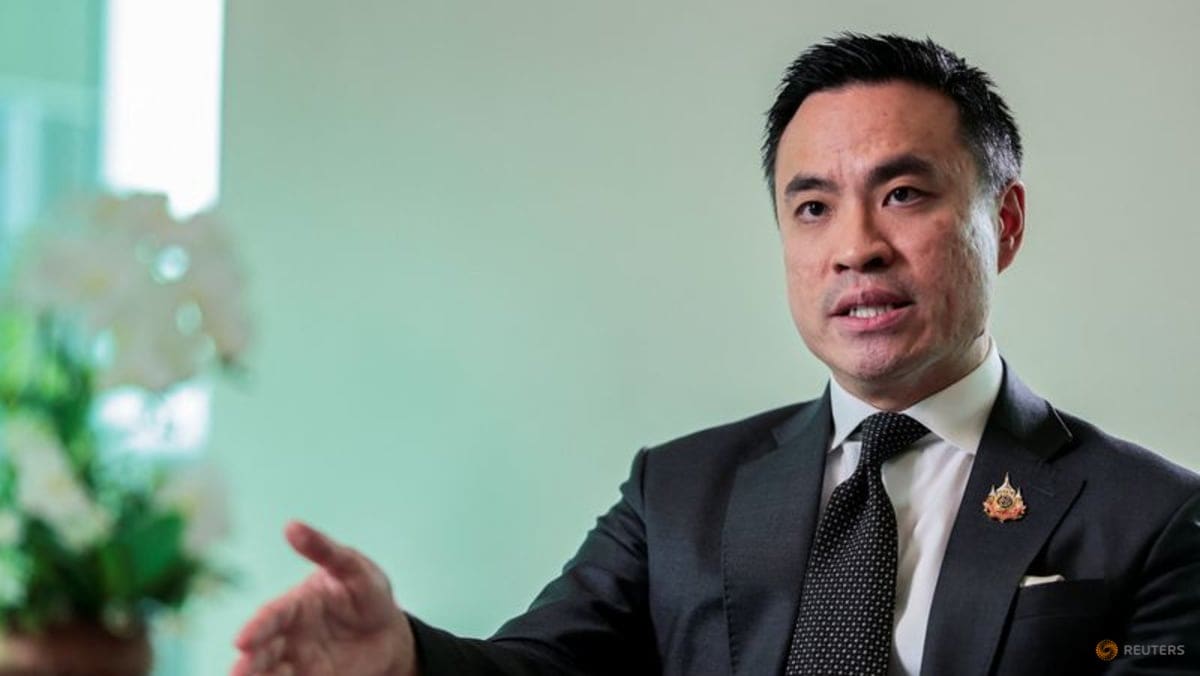
Thailand will install 5 gigawatts of rooftop solar capacity across one million households within twelve months, Energy Minister Akanat Promphan announced this week. The program draws on a 200 billion baht ($6.01 billion) energy transition emergency fund and represents one of Southeast Asia's most ambitious residential solar initiatives to date.
The scale is striking. If delivered, the target would more than double Thailand's existing small-scale solar capacity, which stood at 3.6 GW at the end of 2025, according to energy modelling firm TransitionZero. Residential rooftop installations currently account for just 1.4 GW of that total.
Akanat framed the move explicitly as a hedge against imported fuel price shocks. Thailand buys roughly half its liquefied natural gas on the spot market, leaving it exposed to the kind of volatility that followed the U.S. and Israeli military engagement with Iran six months ago. LNG prices surged in the wake of that conflict, and Bangkok is now racing to insulate its power grid from similar disruptions.
Gas accounts for more than 60 percent of Thailand's electricity generation, while renewables including solar contribute around 10 percent, according to government data covering the first half of this year. Over a quarter of the gas used for power comes from imports, a dependency that has become more costly and unpredictable as Middle East tensions escalate.
Financial Support and Policy Timeline
Each participating household will receive 50,000 baht ($1,500) in direct financial support, with additional loan facilities available to cover installation costs, Finance Minister Ekniti Nitithanprapas confirmed last month. The 5 GW target will be formally incorporated into Thailand's long-term power development plan, a 25-year electricity generation roadmap due for release in October.
The program places Thailand alongside the Philippines and Bangladesh as major Asian LNG importers turning to distributed solar to manage energy security risks. All three countries face similar challenges: heavy reliance on gas-fired generation, significant exposure to spot LNG prices, and growing pressure to diversify supply.
Thailand was Southeast Asia's solar leader until 2018, when installation momentum slowed after government incentives were scaled back. Vietnam overtook it late in the last decade. The new rooftop initiative signals a return to aggressive deployment, though execution will depend on grid integration, permitting speed, and household uptake.
Diversifying Supply Beyond Solar
Alongside the solar push, Thailand is pursuing new domestic gas exploration and long-term LNG purchase agreements. PTTEP, the exploration arm of state energy giant PTT, has allocated budget for offshore gas field development in the Andaman Sea and Myanmar, Akanat said. These efforts aim to reduce spot market reliance and lock in more stable pricing.
The dual strategy reflects a pragmatic calculation. Solar can reduce daytime demand and lower overall fuel burn, but Thailand's grid will remain heavily dependent on gas for baseload and evening peak generation. New domestic production and diversified import contracts offer complementary risk mitigation, even as renewable capacity scales.
Regional Context and Execution Risk
The announcement comes as several Southeast Asian governments reassess energy security in the context of prolonged Middle East instability. Indonesia, Malaysia, and Vietnam have all announced renewable capacity targets in recent months, though few match the speed or household scale Thailand is now proposing.
Execution will be the test. Installing 5 GW in one year requires coordinating procurement, training installers, managing grid connection queues, and sustaining public engagement. Previous solar programs in the region have struggled with bureaucratic delays and uneven incentive distribution. Whether Bangkok can deliver on its timeline will become clear by mid-2027, when the first wave of installations is scheduled for completion.
For now, the emergency fund and ministerial commitment suggest the government views energy price exposure as a near-term economic threat worth addressing at scale. If the program succeeds, it will reshape Thailand's residential power landscape and provide a model for other import-dependent markets in the region.
RELATED STORIES
Southeast Asian Firms Race to Raise Green Debt as Region Falls Behind on Renewables
Priyanka V. Rao · 3 min

Energy Infrastructure Deals Climb in Southeast Asia Amid AI Demand and Security Concerns
Cheng Wei-Lun · 4 min

Mitsubishi Motors Brings Back Pajero SUV With Thailand Launch
Cheng Wei-Lun · 3 min
Thailand's $14 Tourist Levy Draws Industry Pushback Over Backpacker Impact
Siti Nuraini · 3 min
Spot something wrong? Email editor@briefasia.com. We log every correction publicly.