Finance · Deals
Evergrande Founder's Life Sentence Adds New Layer to $57 Billion Debt Recovery
Hui Ka Yan's asset confiscation order complicates an already difficult cross-border liquidation as creditors face uncertain jurisdiction battles
KEY TAKEAWAYS
- ·A Chinese court sentenced Evergrande founder Hui Ka Yan to life imprisonment and ordered confiscation of his personal assets, which liquidators had valued at approximately $7.7 billion.
- ·Offshore creditors face recovery rates projected below 3.4 percent on Evergrande's $57 billion debt, with the asset confiscation order creating competing claims across mainland and Hong Kong jurisdictions.
- ·The intersection of criminal penalties in China and civil liquidation proceedings in Hong Kong introduces legal uncertainty over which claims will take priority in asset distribution.
Conviction Intersects With Offshore Liquidation
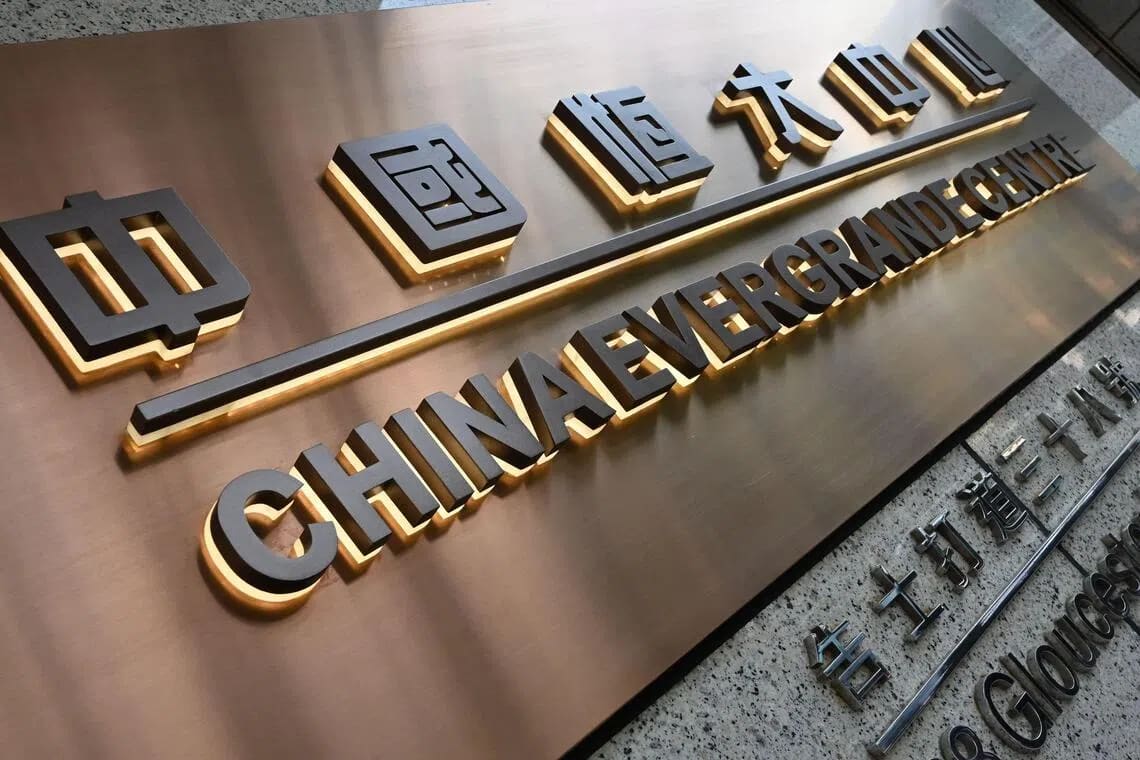
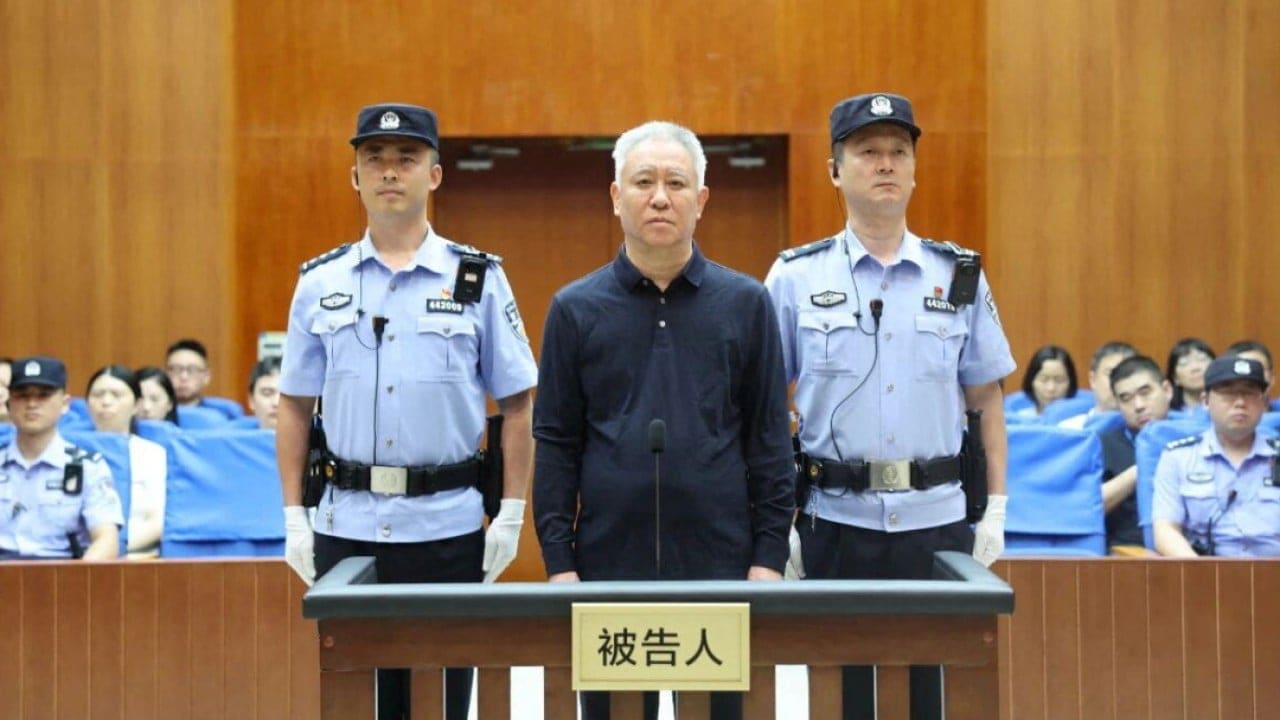
A Chinese court sentenced Hui Ka Yan, founder of China Evergrande Group, to life imprisonment on August 20, ordering the confiscation of his personal assets and imposing fines totaling 15.8 billion yuan ($3 billion) on his companies. The ruling arrives as Hong Kong-based liquidators work through one of Asia's largest corporate debt workouts, with Evergrande's obligations totaling approximately $57 billion according to figures disclosed by liquidators last year.
Liquidators had been pursuing roughly $7.7 billion in assets held by Hui across multiple jurisdictions. The criminal court's asset confiscation order now introduces a competing claim that could divert recoveries away from creditor channels, particularly if mainland enforcement proceedings sweep up assets the liquidators had identified for creditor distribution.
The collision between mainland criminal penalties and offshore insolvency proceedings creates uncharted territory in cross-border restructuring. Chinese law establishes that debt repayment takes priority over fines and confiscation, yet how courts will apply that principle in a case spanning Hong Kong and mainland jurisdictions remains unclear.
Creditor Recovery Already Projected Below Four Percent
Evergrande defaulted on its offshore bonds in late 2021 after years of aggressive expansion fueled by cheap credit. The Shenzhen-based developer had been the country's largest by sales volume before regulators tightened financing rules for highly leveraged property firms. Restructuring talks collapsed, and a Hong Kong court issued a liquidation order in 2024.
Deloitte estimated in 2023 that holders of Evergrande's dollar-denominated notes could expect an average recovery rate of 3.4 percent under liquidation. Trading prices reflect that pessimism. Most of the company's offshore bonds changed hands below two cents on the dollar following Hui's sentencing, essentially unchanged from prior levels.
Hong Kong insolvency specialist Foreky Wong noted that the mainland ruling has made the liquidation "the most complicated we've ever seen," particularly because liquidators have not yet prevailed in their civil claims against Hui. The criminal conviction and asset seizure could pre-empt those efforts if mainland authorities move first to enforce the confiscation order.
Jurisdictional Questions and Government Discretion
Offshore creditors now face the prospect that a significant portion of recoverable assets could flow into mainland enforcement channels rather than the Hong Kong liquidation process. Gary Ng, senior economist at Natixis, pointed out that once the government obtains Hui's assets, distribution decisions will depend on priorities set by Chinese authorities rather than the liquidation framework overseen by Hong Kong courts.
The liquidators declined to comment on the sentencing. They are already engaged in separate legal battles in Hong Kong, including a challenge to a HK$1 billion ($162 million) fund established to compensate Evergrande's minority shareholders. That dispute underscores the competing claims on limited recoverable value.
Hui was detained by Chinese police in 2023 under residential surveillance, a measure that stops short of formal arrest. Authorities provided little public information about the investigation until the sentencing. In 2024, Chinese regulators accused Evergrande's main onshore unit of inflating more than 560 billion yuan in revenue by recognizing sales prematurely, an alleged fraud larger in scale than those at Luckin Coffee or Enron.
Regulators also suspended PricewaterhouseCoopers, Evergrande's auditor, for six months and levied fines against the firm.
Wealth Drawn From Dividends During Expansion Years
Much of Hui's personal wealth originated from his controlling stake in Evergrande and dividend distributions following the company's 2009 Hong Kong listing. Over the past decade, Hui collected more than $7 billion in cash dividends, according to calculations based on public filings. Those payouts occurred during years when Evergrande expanded rapidly, acquiring land across dozens of Chinese cities and diversifying into electric vehicles, bottled water, and a football club.
The liquidation now confronts the reality that much of that cash has already been distributed, leaving creditors to pursue assets that may be subject to overlapping legal claims across jurisdictions. The outcome will likely hinge on how Chinese courts interpret priority rules and whether Hong Kong liquidators can establish enforceable claims before mainland confiscation proceedings conclude.
For creditors holding Evergrande's offshore bonds, the sentencing adds another variable to an already uncertain recovery timeline. The interplay between criminal penalties in one jurisdiction and civil liquidation in another has few precedents at this scale, leaving both legal teams and bondholders navigating uncharted ground.
RELATED STORIES
Evergrande Founder Fined $1.31 Billion as China's Treasury Holdings Decline
Cheng Wei-Lun · 3 min
Guotai Haitong Asset Arm Fined $7.8 Million Over Offshore Capital Breaches
Cheng Wei-Lun · 3 min
Guangzhou Court Accepts Liquidation Petition for Evergrande's Main Onshore Unit
Cheng Wei-Lun · 3 min
Hang Seng Index Expands to 95 Stocks with Chipmaker Addition
Cheng Wei-Lun · 3 min
Spot something wrong? Email editor@briefasia.com. We log every correction publicly.