Technology · AI
DeepSeek Plans Gigawatt-Scale Data Center in Inner Mongolia
Chinese AI firm targets Ulanqab for major compute expansion as infrastructure race intensifies across Asia
KEY TAKEAWAYS
- ·DeepSeek is constructing a one-gigawatt data center in Ulanqab, Inner Mongolia, approximately 350 kilometers northwest of Beijing.
- ·The facility will rank among the largest AI compute centers globally, capable of supporting several hundred thousand high-performance GPUs simultaneously.
- ·Construction timelines suggest the center will come online in late 2027 or early 2028, aligning with next-generation AI model deployment schedules.
Hangzhou Firm Targets Northern China for AI Compute Hub
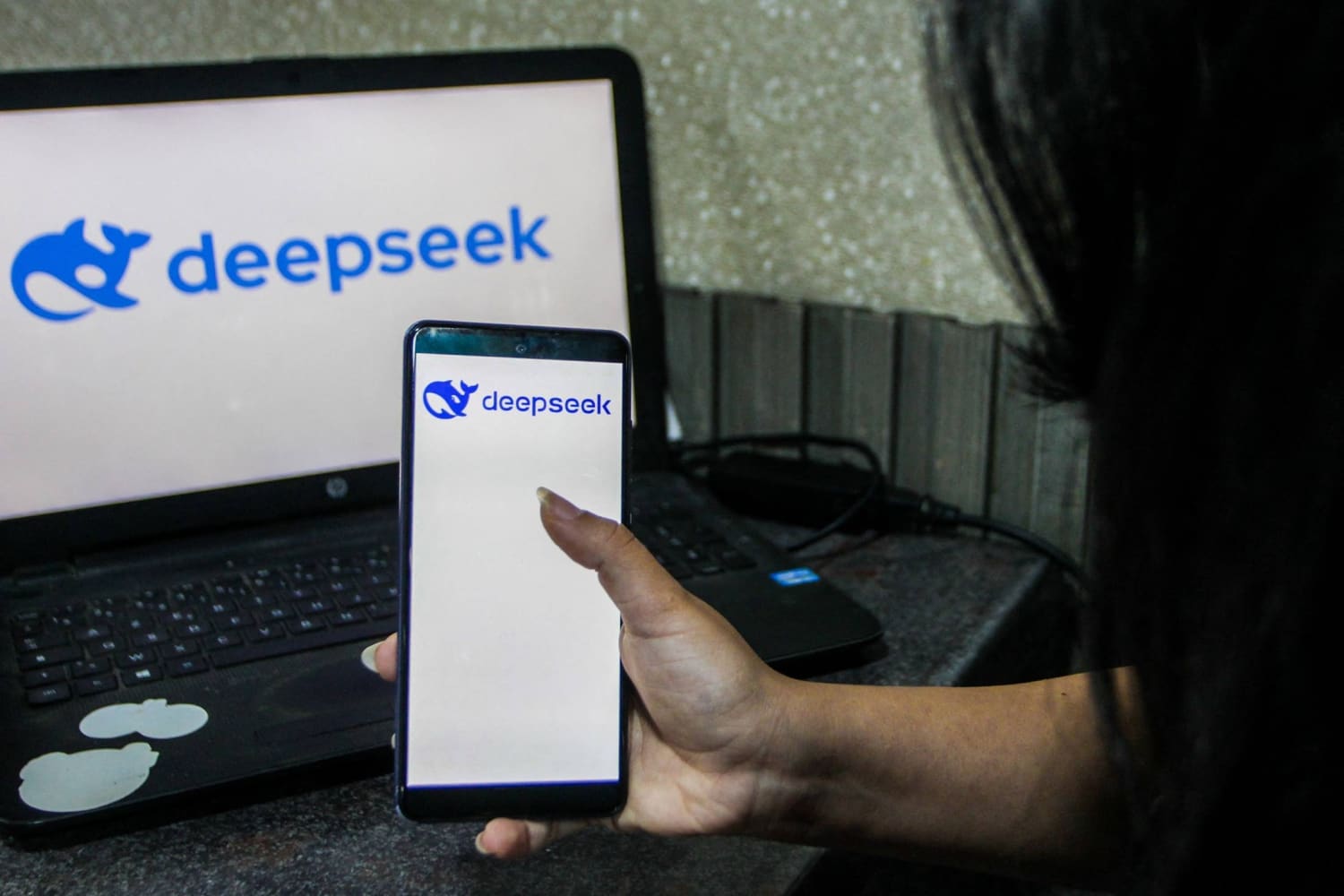
DeepSeek is constructing a data center in Ulanqab, Inner Mongolia, with planned capacity of one gigawatt. The Hangzhou-based artificial intelligence company selected the site roughly 350 kilometers northwest of Beijing for what represents one of the largest compute infrastructure projects announced by a Chinese AI firm this year.
The facility will position DeepSeek alongside other technology companies that have established operations in Ulanqab over the past decade. The city has emerged as a preferred location for data center development in northern China, driven by cooler climate conditions that reduce cooling costs, proximity to renewable energy sources, and supportive local government policies.
One gigawatt of capacity would place the planned facility among the largest data centers globally. For context, that power draw equals the consumption of roughly 700,000 typical homes or enough to support several hundred thousand high-performance graphics processing units running simultaneously. The scale reflects the escalating infrastructure demands of training and deploying large language models, which require vast parallel computing resources.
Strategic Location and Infrastructure Advantages
Ulanqab sits at the intersection of several factors that make it attractive for compute-intensive operations. Average temperatures remain below 20 degrees Celsius for much of the year, cutting energy requirements for cooling systems that typically account for 30 to 40 percent of data center power consumption. The region also benefits from direct connections to wind and solar installations across Inner Mongolia, which produces surplus renewable electricity during peak generation periods.
Local authorities in Ulanqab have actively courted technology firms with land incentives and streamlined permitting. Huawei, Alibaba Cloud, and several state-owned telecommunications operators already run facilities in the area. The concentration of data centers has spurred development of fiber-optic trunk lines linking Ulanqab to Beijing, Tianjin, and other major cities in northern China, reducing latency for applications that require real-time data exchange.
DeepSeek's decision to build at this scale signals confidence in sustained demand for AI computing, even as the company navigates a competitive landscape that includes both domestic players and foreign model developers. The firm has focused on developing models optimized for efficiency, aiming to deliver performance comparable to larger systems while using fewer computational resources per inference.
Implications for China's AI Infrastructure Build-Out
The project arrives as Chinese technology companies race to secure compute capacity amid export restrictions on advanced semiconductors. Building large-scale domestic data centers allows firms to consolidate available chips and maximize utilization, while also creating infrastructure that can be upgraded as newer hardware becomes accessible.
Power availability remains a critical constraint. One gigawatt represents a substantial claim on regional electricity grids, even in areas with generation surplus. DeepSeek will need to coordinate with grid operators and likely commit to power purchase agreements that guarantee minimum consumption levels, providing revenue stability for renewable energy projects in exchange for priority access.
Construction timelines for facilities of this magnitude typically span 18 to 24 months, meaning the Ulanqab center would come online in late 2027 or early 2028 if work proceeds on schedule. That timeframe aligns with expected deployment of next-generation AI models that will require more compute for both training runs and inference at scale.
The move also reflects broader patterns across Asia, where hyperscalers and AI-focused companies are investing heavily in data center capacity. Singapore, Tokyo, Seoul, and Mumbai have all seen announcements of gigawatt-class projects in the past 18 months, driven by demand from cloud services, AI model hosting, and digital transformation initiatives across industries.
What Comes Next
DeepSeek has not disclosed a construction start date or detailed breakdown of the facility's technical specifications. Key questions include the mix of GPU and specialized AI accelerator chips the company plans to deploy, whether the center will support third-party workloads in addition to internal model development, and how the firm will manage power procurement to balance cost and sustainability commitments.
Industry observers will watch whether other Chinese AI companies follow with similar announcements. The capital intensity of gigawatt-scale data centers creates a barrier to entry that may consolidate infrastructure ownership among a smaller number of well-funded players, while startups and research labs increasingly rely on leased capacity or cloud platforms.
For Ulanqab, the DeepSeek project cements the city's role as a data center corridor and could attract additional investment in supporting industries, from component suppliers to specialized engineering firms. The local economy stands to benefit from construction activity and ongoing operational employment, though the highly automated nature of modern data centers limits long-term job creation relative to the scale of capital deployed.
RELATED STORIES
JCET Eyes $968 Million to Scale AI Packaging Lines
Tran Quoc Bao · 3 min
Sharpa Secures $668 Million at $3.3 Billion Valuation in Tech Giant-Backed Round
Cheng Wei-Lun · 2 min

China Scrubs 5.6 Million AI-Generated Posts in Platform Cleanup
Cheng Wei-Lun · 3 min
China Targets 84% Share of AR-HUD Production by 2031
Cheng Wei-Lun · 3 min
Spot something wrong? Email editor@briefasia.com. We log every correction publicly.