Technology · Policy
China Scrubs 5.6 Million AI-Generated Posts in Platform Cleanup
Beijing's internet regulator targets synthetic content flooding WeChat, RedNote, and Douyin as enforcement intensifies across major social platforms

KEY TAKEAWAYS
- ·China's Cyberspace Administration removed 5.61 million AI-generated posts and closed 49,000 accounts across WeChat, RedNote, and Douyin in its largest synthetic content crackdown to date.
- ·The enforcement targets deepfakes, clickbait, and mass-produced AI material that regulators say violates existing rules on harmful or illegal content.
- ·The action signals Beijing's willingness to intervene aggressively in generative AI adoption as platforms struggle to police synthetic media at scale.
The Numbers Behind the Sweep
China's internet regulator has deleted 5.61 million pieces of AI-generated content and shut down 49,000 accounts across the country's largest social platforms. The Cyberspace Administration of China announced the enforcement action Wednesday, marking one of Beijing's most aggressive moves yet against synthetic media flooding domestic apps.
The removed material included deepfakes, clickbait, and what regulators describe as "slop" - mass-produced, low-quality content generated by AI tools. WeChat, RedNote (Xiaohongshu), and Douyin bore the brunt of the cleanup, according to the CAC.
The scale of the action underscores how rapidly AI-generated material has proliferated on Chinese platforms. The 5.61 million figure represents content flagged as harmful or illegal under existing regulations, though the CAC did not break down specific categories or provide a timeline for the removals.
What Triggered the Campaign
The crackdown forms part of a broader regulatory push against generative AI abuse. Chinese authorities have grown increasingly concerned about synthetic content that misleads users, spreads misinformation, or clogs feeds with automated posts designed solely to game engagement algorithms.
Platforms have faced mounting pressure to police AI-generated material since Beijing introduced registration requirements for generative AI services in 2023. Those rules mandate that companies verify user identities and label synthetic content clearly. Enforcement had been uneven until recent months.
The CAC's statement did not specify which types of content accounted for the bulk of removals. Industry observers note that Chinese social media has seen a surge in AI-generated product reviews, fake celebrity endorsements, and automated news summaries - all of which can violate platform policies or national regulations depending on context and disclosure.
Platform Response and Compliance
WeChat, RedNote, and Douyin have each rolled out detection tools and labeling systems over the past year. Tencent's WeChat introduced watermarking for AI-generated images in late 2025. ByteDance's Douyin added visible tags to synthetic video content around the same time. RedNote, popular with younger users for lifestyle and shopping content, implemented similar measures but has struggled with enforcement given the volume of user posts.
The 49,000 account closures suggest regulators found repeat offenders or commercial operations using AI at scale. Many of these likely involved marketing firms or content farms deploying generative tools to flood platforms with promotional material disguised as organic posts.
China's approach contrasts with regulatory efforts in other Asian markets. Singapore and South Korea have focused on transparency requirements and consumer protection, while China has opted for direct content removal and account bans enforced through the CAC.
Implications for the AI Ecosystem
The cleanup arrives as Chinese tech companies race to commercialize large language models and generative AI services. Alibaba, Baidu, and Tencent have all launched consumer-facing AI tools in the past 18 months. Regulators now face the challenge of encouraging innovation while containing misuse.
The crackdown may push platforms to tighten access to AI generation features or require additional verification steps before users can post synthetic content. That could slow adoption of AI tools among casual users, even as the technology becomes more sophisticated.
For investors watching China's AI sector, the enforcement signal matters. Beijing has shown willingness to curb technology rollout when social stability or content control concerns arise. The 5.61 million removals indicate that generative AI has already reached a scale that demands intervention.
The CAC has not announced penalties for the platforms themselves, suggesting this round focused on content and accounts rather than corporate compliance. That could change if synthetic material continues to proliferate at current rates.
RELATED STORIES

Sharpa Secures $668 Million at $3.3 Billion Valuation in Tech Giant-Backed Round
Cheng Wei-Lun · 2 min
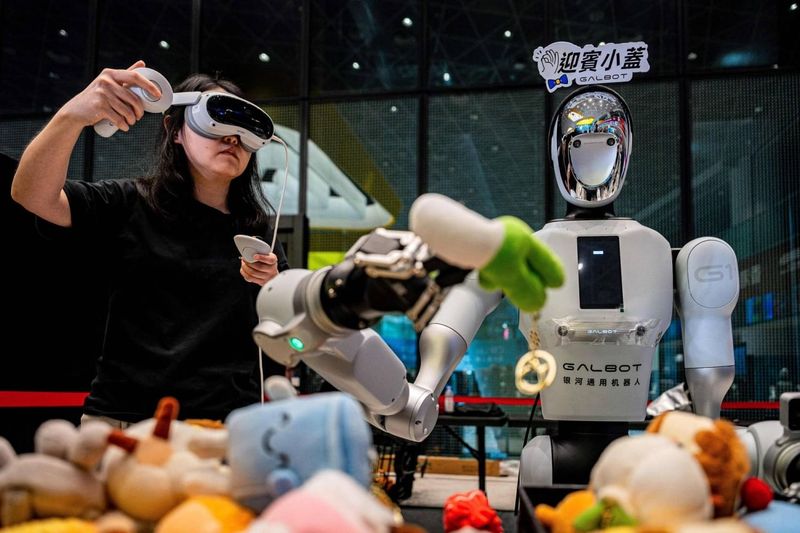
Hong Kong Debuts Robot-Run Convenience Store in Commercial Automation Push
Cheng Wei-Lun · 3 min
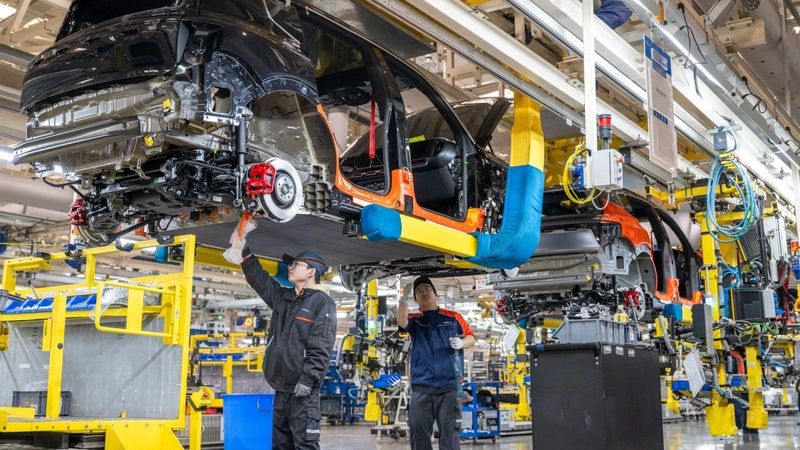
Chinese Automakers Target Hybrid Market After EV Dominance
Cheng Wei-Lun · 3 min
CaoCao Mobility Bets on Autonomous Taxis as Revenue Tops RMB 10 Billion
Cheng Wei-Lun · 3 min
Spot something wrong? Email editor@briefasia.com. We log every correction publicly.