Technology · Products
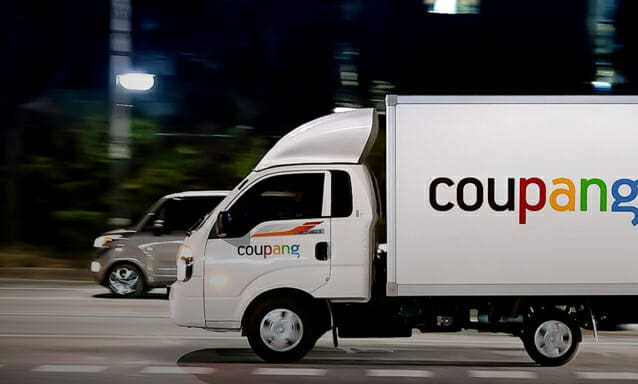
Coupang Adds 600 International Brands to Cross-Border Platform This Year
Seoul-based e-commerce firm expands Rocket Jikgu beyond US staples into beauty and fashion from Japan and Hong Kong
KEY TAKEAWAYS
- ·Coupang added more than 600 global brands to its Rocket Jikgu cross-border platform in 2026, expanding categories beyond food and supplements into beauty and fashion.
- ·The service now sources products from the United States, Japan, and Hong Kong, storing them in domestic fulfillment centers to enable next-day delivery on select items.
- ·The expansion reflects intensifying competition in South Korea's e-commerce sector as rivals invest in cross-border capabilities to capture demand for international brands.
Coupang Widens International Selection
Coupang announced that more than 600 international brands have joined its cross-border shopping platform Rocket Jikgu in 2026, marking a significant expansion of product categories available to South Korean consumers. The Seoul-based e-commerce company said the influx extends beyond its traditional strength in food and dietary supplements to include beauty products and fashion labels.
The platform, which Coupang introduced in 2017 to bring US goods to Korean shoppers, now sources inventory from Japan and Hong Kong as well. The expansion reflects growing consumer appetite for overseas brands that have built reputations in their home markets but lack dedicated retail presence in South Korea.
Among the new entrants is J.Q. Dickinson, a West Virginia salt producer that illustrates the breadth of niche brands now accessible through the service. The company's artisan salt products, previously unavailable through Korean retail channels, can now reach consumers in Seoul and other metropolitan areas through Coupang's logistics network.
Logistics Infrastructure Drives Expansion
Rocket Jikgu leverages Coupang's warehousing and delivery infrastructure to streamline cross-border transactions. The service stores foreign products in domestic fulfillment centers, allowing the company to offer its signature next-day delivery on select international items. This approach contrasts with traditional cross-border e-commerce models that ship directly from overseas warehouses, often requiring longer wait times and creating customs uncertainty.
The addition of Japanese and Hong Kong suppliers broadens the geographic footprint of the platform. Japan's beauty and skincare brands have cultivated loyal followings among Korean consumers, while Hong Kong serves as a gateway for specialty goods from Greater China and Southeast Asia.
By consolidating import logistics, Coupang reduces friction for both brands seeking Korean market entry and consumers wary of international shipping fees and delays. The model also gives the company tighter control over inventory quality and product authenticity, recurring concerns in cross-border e-commerce.
Competitive Pressure in Korean E-Commerce
The Rocket Jikgu expansion comes as competition intensifies in South Korea's e-commerce sector. Domestic rivals and international platforms alike are investing in cross-border capabilities to capture consumers drawn to overseas products. Naver, Kakao, and China-based entrants have all rolled out or enhanced international shopping features in recent quarters.
South Korean consumers have historically shown strong demand for foreign goods, particularly in categories where domestic options are perceived as limited or where international brands carry prestige. Beauty products from Japan, supplements from the United States, and fashion items from European labels consistently rank among the most sought-after imports.
Coupang's scale advantage in logistics and its existing customer base of millions of active users position it to capitalize on this trend. The company's ability to integrate cross-border inventory into its domestic fulfillment network offers a speed and convenience edge that pure-play import platforms struggle to match.
What Comes Next
The pace of brand onboarding suggests Coupang views cross-border commerce as a growth lever beyond its core Korean market operations. Expanding the Rocket Jikgu catalog deepens engagement with existing customers and attracts shoppers who prioritize access to international labels.
Whether the platform will extend to additional countries or further deepen its presence in existing markets remains to be seen. The company has not disclosed revenue contribution from Rocket Jikgu or provided targets for brand partnerships in the coming year.
For now, the 600-brand milestone signals that Coupang is committed to building out its cross-border offering as a differentiator in a crowded and competitive landscape.
RELATED STORIES
Korean Builders Race to Secure Power Equipment for AI Data Centers
Jun-ho Seo · 3 min
Samsung Closes Yield Gap in Memory Race with SK Hynix
Cheng Wei-Lun · 3 min

Seoul Court Upholds Prison Term for Ex-SK Hynix Engineer in Chip Leak Case
Cheng Wei-Lun · 3 min

South Korea's OCI Taps AI and Space Markets as Non-China Polysilicon Alternative
Cheng Wei-Lun · 3 min
Spot something wrong? Email editor@briefasia.com. We log every correction publicly.