Technology · AI
Korean Builders Race to Secure Power Equipment for AI Data Centers
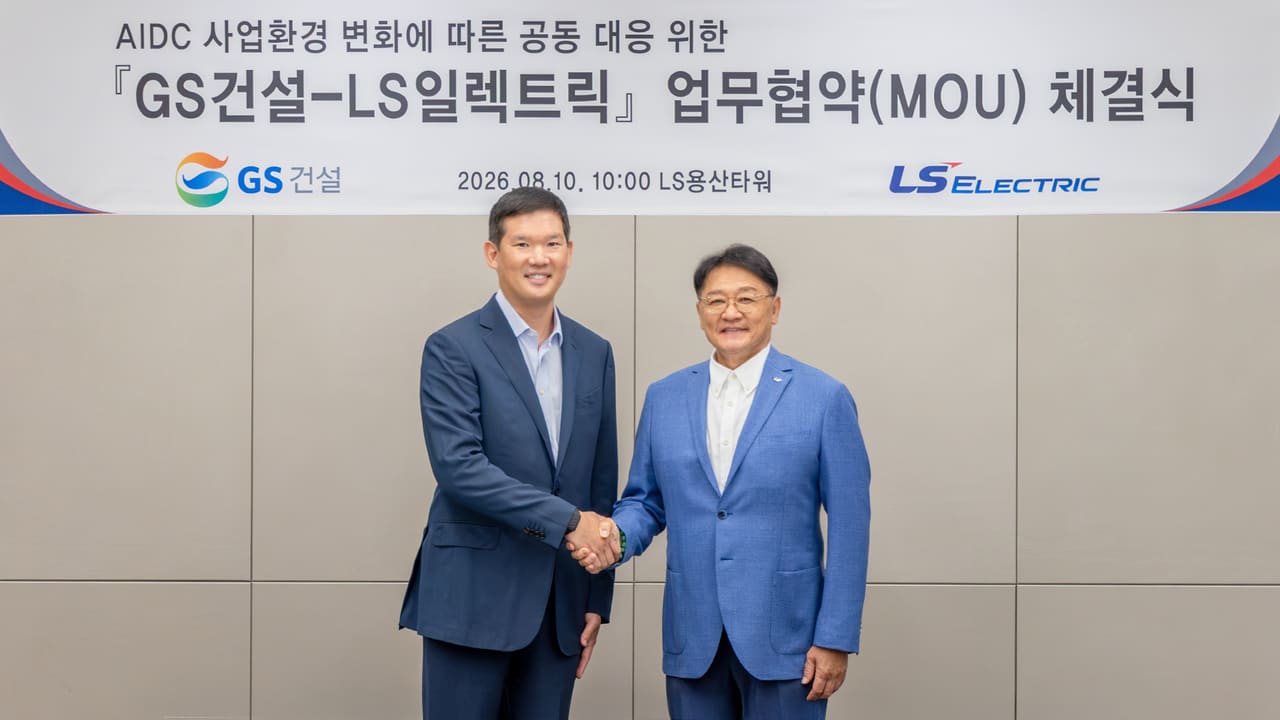
GS Engineering & Construction partners with LS Electric to lock in supply of electrical infrastructure as AI compute demand strains regional grids
KEY TAKEAWAYS
- ·GS Engineering & Construction and LS Electric formed a supply partnership to ensure timely delivery of electrical equipment for AI data center projects in South Korea.
- ·AI training facilities require five to ten times the power density of conventional data centers, with single racks drawing 50 to 100 kilowatts and creating city-scale electricity demand.
- ·Lead times for high-capacity transformers and switchgear in Asia have doubled to 18 to 24 months, prompting builders to lock in domestic supply commitments ahead of project pipelines.
Supply Chain Security Moves Center Stage
GS Engineering & Construction announced a partnership with LS Electric to guarantee access to electrical equipment for its pipeline of artificial intelligence data center projects. The collaboration, formalized through a memorandum of understanding, addresses one of the most pressing constraints in the region's AI infrastructure race: reliable power supply.
The two Korean firms will establish a dedicated supply framework targeting projects currently under development or in the planning stage. LS Electric will prioritize delivery of core electrical components to GS E&C's AI data center sites, while both parties commit to joint exploration of next-generation power solutions tailored to the unique demands of AI compute workloads.
The agreement comes as builders across Asia confront a new reality. Traditional data centers consume between 10 and 15 megawatts per facility. AI training clusters, by contrast, push power density to levels that strain existing electrical infrastructure. A single rack of graphics processing units can draw 50 to 100 kilowatts, five to ten times the load of conventional server racks. Multiply that across thousands of racks, and the total electricity requirement rivals that of a mid-sized city.
Why Korea's Construction Giants Are Moving Now
GS E&C's move reflects broader anxiety in Seoul's construction and technology circles. South Korea has emerged as a hub for hyperscale data center investment, driven by proximity to major cloud providers' Asian operations and relatively stable power grids. Yet that stability is under test. The country's electricity demand is projected to grow sharply through 2030, and much of that growth will come from AI and semiconductor manufacturing.
By locking in supply commitments now, GS E&C aims to avoid the delays that have plagued projects elsewhere in the region. In Singapore and Tokyo, data center developers have reported lead times of 18 to 24 months for high-capacity transformers and switchgear, double the pre-AI norm. Securing a dedicated pipeline from a domestic manufacturer like LS Electric reduces exposure to global supply chain volatility and import bottlenecks.
LS Electric, for its part, gains visibility into a fast-growing vertical. The company manufactures a range of electrical products, from circuit breakers to energy management systems. AI data centers represent a premium segment: clients are willing to pay for reliability, redundancy, and rapid deployment. The partnership with GS E&C offers a steady order book and a testing ground for new power technologies.
The Next-Generation Power Challenge
The memorandum also commits both companies to collaborate on advanced power solutions. That language is deliberate. AI workloads are not only power-hungry but also unpredictable. Training runs can spike demand within seconds, requiring electrical systems that respond with precision. Conventional utility-scale infrastructure was not designed for this kind of volatility.
One area of focus is likely to be modular power distribution systems, which allow operators to scale capacity in smaller increments and isolate faults without shutting down entire facilities. Another is integration with renewable energy sources. South Korea's government has signaled that new data center projects will face stricter environmental standards, including requirements to source a percentage of electricity from wind or solar. That adds complexity: renewables are intermittent, and AI clusters cannot tolerate downtime.
Battery storage and on-site generation are also on the table. Some hyperscale operators in the United States have begun installing natural gas turbines or fuel cells directly at data center sites, bypassing the grid entirely for critical loads. Whether that model translates to Korea, where land is scarce and environmental permitting is rigorous, remains an open question.
Regional Implications
The GS E&C and LS Electric partnership is a microcosm of a larger shift. Across Asia, the race to build AI infrastructure is colliding with the realities of physical infrastructure. Power, cooling, and real estate are no longer afterthoughts; they are the primary constraints.
In Japan, NTT and Tokyo Electric Power Company have announced joint studies on dedicated substations for data centers. In India, Tata Power is working with cloud providers to design custom electrical systems for AI campuses. Even in markets with surplus generation capacity, the distribution network often cannot deliver power where it is needed, when it is needed.
For investors and executives watching the AI build-out, the message is clear: the companies that secure reliable access to electrical equipment, skilled labor, and grid capacity will have a structural advantage. Those that assume supply chains will simply scale on demand are in for a rude awakening. The bottleneck has shifted from silicon to steel, from chips to cables.
RELATED STORIES
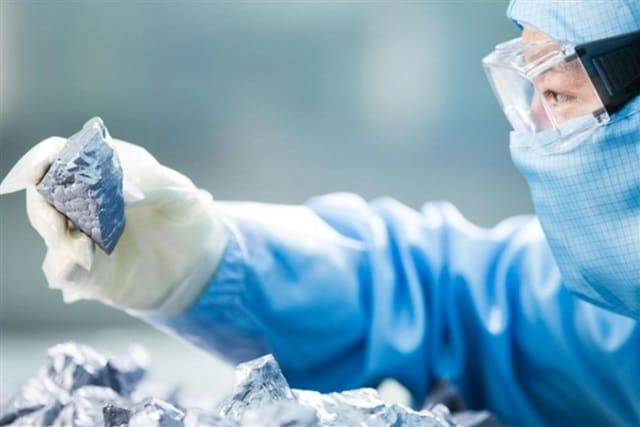
South Korea's OCI Taps AI and Space Markets as Non-China Polysilicon Alternative
Cheng Wei-Lun · 3 min
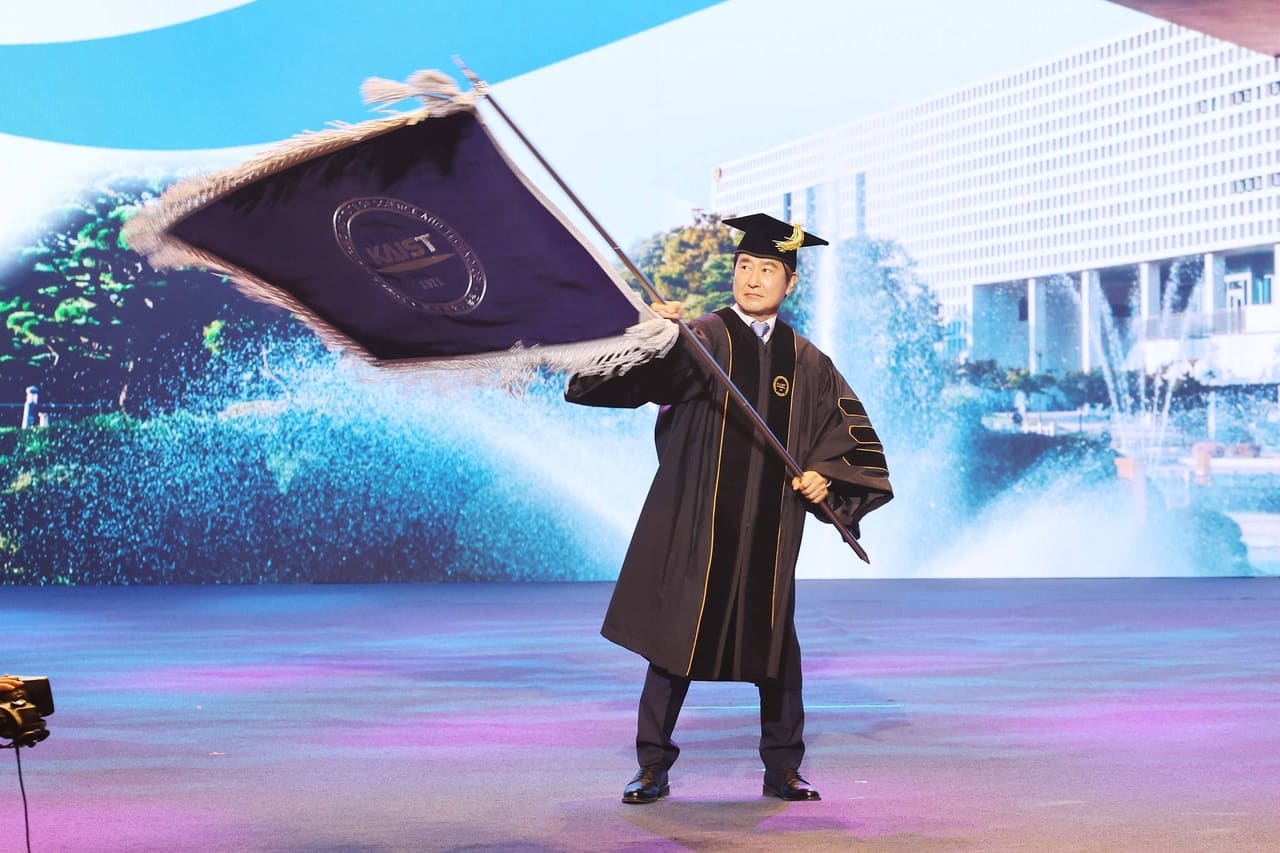
KAIST's New President Plans to Embed AI Across All Disciplines
Cheng Wei-Lun · 3 min
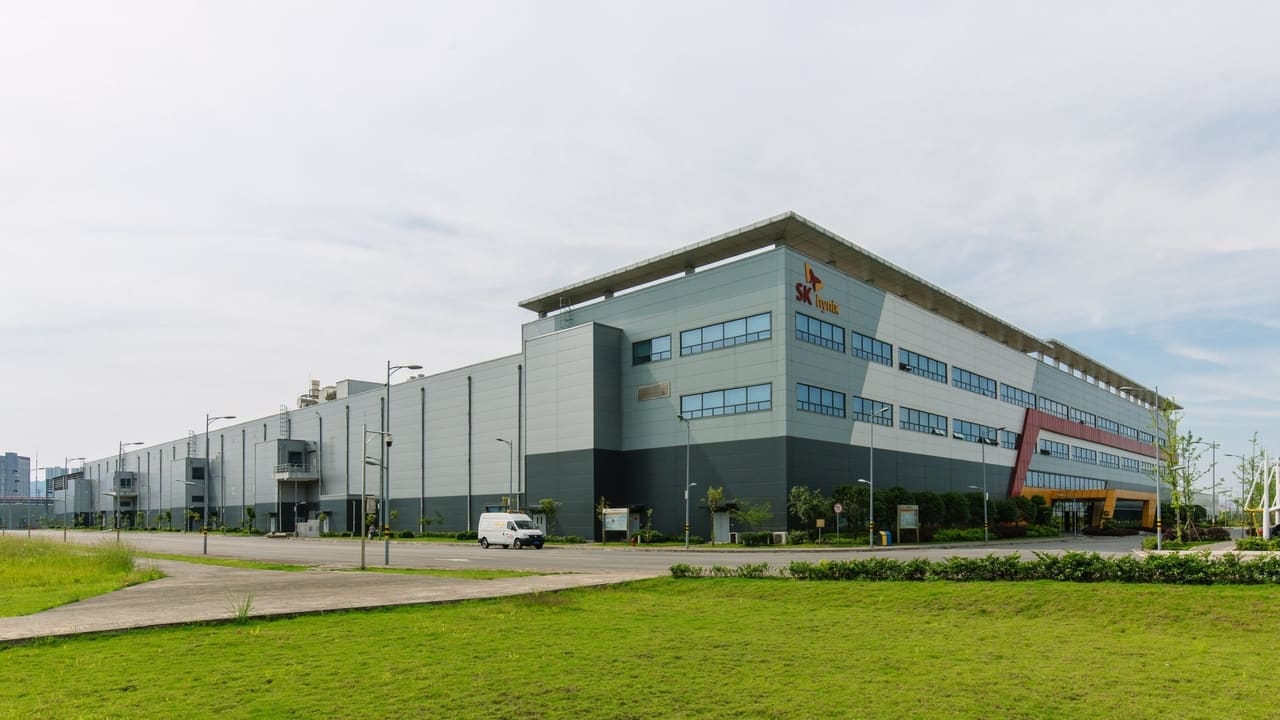
SK Hynix Reviews Future of China Packaging Facility Amid $3 Billion Valuation Talk
Cheng Wei-Lun · 2 min
South Korea Mobilizes Conglomerates for Humanoid Robot Push
Cheng Wei-Lun · 3 min
Spot something wrong? Email editor@briefasia.com. We log every correction publicly.