Finance · Markets
Chip Rally and Meta's Cash Flow Slump Split Wall Street After Mixed Earnings Week
Microsoft's AI optimism lifted semiconductors while Meta's infrastructure spending raised new questions about profitability, as the Fed held rates and Asian markets swung wildly.

KEY TAKEAWAYS
- ·Wall Street closed higher as chip stocks rallied following Microsoft's upbeat earnings, reinforcing confidence in AI infrastructure spending through 2026.
- ·Meta's significant free cash flow decline overshadowed its revenue beat, highlighting the rising cost of AI infrastructure across Big Tech.
- ·South Korea's Kospi surged more than 14 percent but record volatility and leveraged retail losses signal fragility beneath the headline recovery.
Semiconductors Surge on AI Optimism
Wall Street closed higher this week as chip stocks rallied following Microsoft's latest earnings report, which reinforced investor confidence in artificial intelligence infrastructure spending. The semiconductor sector posted strong gains, driven by expectations that enterprise AI adoption will continue accelerating through the remainder of 2026.
Microsoft's results showed sustained momentum in cloud computing and AI services, providing validation for the capital expenditure cycle that has supported chip manufacturers throughout the year. The earnings beat came at a moment when investors were looking for confirmation that corporate AI budgets remain robust despite mounting questions about return on investment.
According to Martin Hennecke, head of Asia and Middle East Investment Advisory at St. James's Place, the current environment represents genuine growth rather than speculative excess. He distinguishes between short-term price movements and the underlying earnings trajectory, noting that valuations across the semiconductor sector remain more defensible than headline multiples suggest.
Meta's Free Cash Flow Decline Raises Infrastructure Concerns
Meta tumbled after reporting a significant decline in free cash flow, overshadowing a revenue performance that met analyst expectations. The drop highlighted the rising cost of building AI infrastructure, a theme that is beginning to surface across major technology companies as they scale up data center capacity and specialized computing resources.
The free cash flow compression reflects capital intensity that investors had anticipated in theory but are now confronting in quarterly results. Meta's spending on AI training infrastructure, custom silicon development, and expanded data center footprints has accelerated faster than revenue growth in certain segments, creating a near-term profitability squeeze.
Hennecke emphasized that the free cash flow metric matters more than the revenue beat in this context. As Big Tech earnings season continues, investors will scrutinize capital allocation and cash generation across peers to assess whether Meta's experience is an outlier or the leading edge of a broader trend. The divergence between Meta's operational performance and its cash flow profile illustrates the tension between investing for future capability and delivering current returns.
South Korea's Kospi Surges Amid Record Volatility
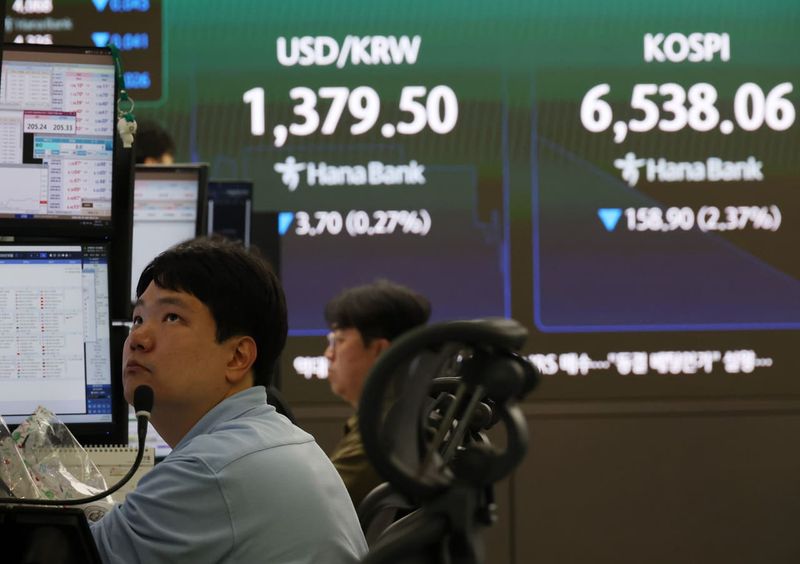
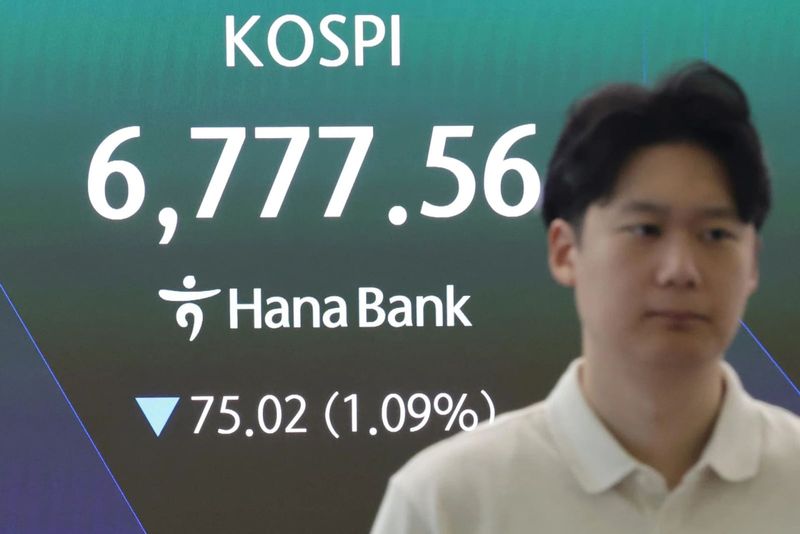
South Korea's Kospi index jumped more than 14 percent at the open this week, rebounding sharply after a period of extreme volatility that inflicted heavy losses on leveraged retail investors. The surge followed a steep sell-off earlier in the week, creating one of the most dramatic intraday swings in the benchmark's history.
The recovery, while dramatic, does not represent a clean signal of stabilization. Record volatility in the Kospi has exposed the risks facing retail traders who use borrowed capital to amplify positions, particularly in technology and export-oriented stocks. Margin calls and forced liquidations contributed to the severity of the initial decline, while the subsequent bounce reflected short covering and opportunistic buying rather than a fundamental shift in sentiment.
Hennecke noted that the headline number masks a more complicated reality. Leveraged retail participation in South Korean equities has grown substantially over the past two years, and the recent volatility episode serves as a reminder of the fragility that leverage introduces into market structure. For institutional investors with exposure to Korean equities, the episode underscores the importance of distinguishing between technical rebounds and genuine risk-on conditions.
Yen Intervention and Fed Policy Create Cross-Currents
Japanese authorities intervened to support the yen after the Federal Reserve held interest rates steady, creating opposing forces for Asian portfolios with currency exposure. The intervention came as the yen weakened beyond levels that Tokyo considers tolerable, reflecting the persistent divergence between U.S. monetary policy and the Bank of Japan's ultra-loose stance.
The Fed's decision to keep rates unchanged was widely expected, but the lack of near-term easing signals kept upward pressure on the dollar. That dynamic has made it difficult for Japanese policymakers to stabilize the yen without either tightening domestic monetary conditions or expending foreign exchange reserves through direct market operations.
Hennecke explained that the tension between yen intervention and the Fed's hold creates complications for investors managing Asian currency risk. Portfolios with significant exposure to Japanese equities or yen-denominated assets face heightened uncertainty as the interest rate differential between the U.S. and Japan remains wide. The intervention may provide temporary relief, but it does not resolve the underlying policy divergence that continues to weigh on the yen.
Looking Ahead
The week's divergent signals point to a market environment where sector performance and regional dynamics are increasingly disconnected. Semiconductor strength and Meta's cash flow pressure coexist in the same technology landscape, while Asian equity markets exhibit volatility patterns driven as much by leverage and positioning as by fundamentals.
For investors, the challenge is parsing which signals carry forward and which reflect transient factors. The AI investment cycle remains intact, but the cost side of that cycle is becoming more visible. Asian markets are rebounding, but the structural risks associated with leverage and currency volatility have not disappeared. The weeks ahead will test whether the optimism driving chip stocks can withstand the scrutiny that free cash flow declines invite.
RELATED STORIES

Japan Deploys $96.5 Billion in Currency Intervention to Halt Yen's Slide
Aiko Nakamura · 3 min
Seoul Markets Tumble as Tech Selloff Ripples Across Asia
Cheng Wei-Lun · 3 min

SK Hynix Eyes Deeper Collaboration With Japan's Chip Sector
Cheng Wei-Lun · 4 min
Index Funds Face Hidden Concentration Risk From AI Boom
Cheng Wei-Lun · 3 min
Spot something wrong? Email editor@briefasia.com. We log every correction publicly.