Finance · Banking
Bank Indonesia Governor Perry Warjiyo Resigns Unexpectedly
Warjiyo's departure after six years at the helm raises questions about central bank independence as rupiah pressure mounts and Prabowo's growth agenda intensifies.
KEY TAKEAWAYS
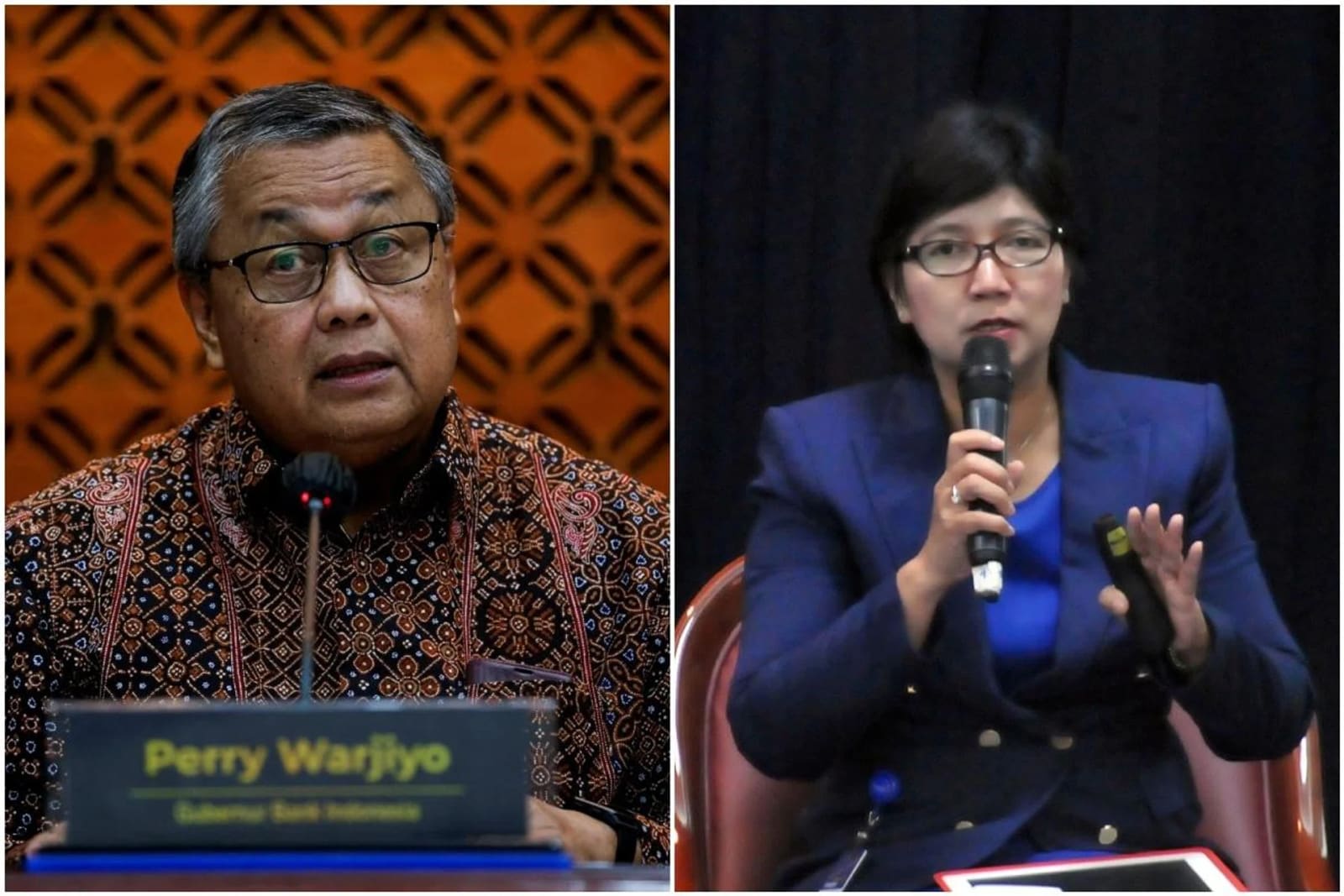
- ·Perry Warjiyo resigned as Bank Indonesia governor after six years, with senior deputy governor Destry Damayanti appointed as interim head.
- ·The departure comes as the rupiah hit historic lows in June and parliament expanded legislative oversight of the central bank.
- ·Markets will scrutinize the successor appointment for signals on monetary policy independence and institutional credibility under Prabowo.
Sudden Exit at the Helm
Perry Warjiyo has resigned as governor of Bank Indonesia after six years in the role, the government confirmed Monday morning. President Prabowo Subianto accepted the resignation, according to State Secretariat Minister Prasetyo Hadi, who announced the move hours before Jakarta markets opened.
Warjiyo submitted his resignation by letter, citing personal reasons that officials declined to detail. Attempts to reach Warjiyo directly were unsuccessful. Senior Deputy Governor Destry Damayanti has been named interim governor and told reporters the central bank would maintain continuity in its mandate to stabilize the rupiah and support conditions conducive to growth.
The timing caught markets off guard. Warjiyo had been reappointed to a second five-year term in 2023 after originally taking the helm in 2018. His tenure spanned a period of relative monetary stability, navigating pandemic volatility and gradual normalization before recent pressures emerged.
Market Reaction and Credibility Concerns
Analysts warned the departure could unsettle investors already wary of Indonesia's fiscal trajectory and the erosion of central bank independence. Angus Mackintosh, an ASEAN specialist at Aletheia Capital in Singapore, described Warjiyo as "a steady pair of hands with a good track record" whose exit would likely be received negatively.
The immediate focus now shifts to succession. Deputy Governor Thomas Djiwandono, a nephew of President Prabowo, has been mentioned in market speculation. Any move to install a family member in the top monetary policy role would amplify concerns that technocratic expertise is yielding to political proximity at a crucial juncture for rupiah stability.
Mirae Asset Sekuritas flagged the resignation as a key focal point for financial markets, noting investors will scrutinize the government's choice of successor and what it signals for policy continuity, institutional credibility, and overall direction.
Pressure Points: Rupiah, Growth, and Legislative Reach
Bank Indonesia has faced mounting strain in recent months. The rupiah hit a historic low in June as global market turbulence collided with domestic anxiety over fiscal management and central bank autonomy. In the same month, parliament passed legislation that broadened BI's mandate to explicitly support economic growth while granting lawmakers binding authority to issue recommendations to the central bank and other financial regulators.
The new legal framework represents a notable shift in the balance between monetary independence and political influence. Critics see it as a vehicle for Prabowo's ambitious growth agenda to reach into monetary policy decisions that traditionally reside with technocrats.
On July 22, Bank Indonesia surprised observers by holding policy rates steady rather than extending a tightening cycle that had added 100 basis points since May. Instead, the central bank unveiled incentives aimed at drawing foreign capital inflows to shore up the rupiah. That decision, just days before Warjiyo's resignation, now takes on added significance as markets parse whether it reflected internal disagreement or external pressure.
Echoes of Earlier Turmoil
Warjiyo's departure is the second high-profile exit from Indonesia's economic leadership in recent months. In 2025, Finance Minister Sri Mulyani Indrawati was abruptly removed from her post, a move that rattled investor confidence. Sri Mulyani had been widely regarded as a guardian of fiscal discipline, and her dismissal fueled fears that Prabowo's populist spending plans would override prudent budgetary management.
The pattern raises broader questions about the durability of technocratic institutions under the current administration. For foreign investors who have long prized Indonesia's investment-grade rating and relatively stable macroeconomic framework, the twin exits signal a potential recalibration of risk.
What Comes Next
Destry Damayanti's appointment as interim governor provides short-term continuity. She has held senior positions within Bank Indonesia and is familiar with the institution's operations. However, her tenure is explicitly provisional, and the government will need to name a permanent successor in the coming weeks.
The choice will be watched closely across Southeast Asian financial centers. A candidate with deep central banking experience and a track record of independence would reassure markets. A selection perceived as politically motivated, particularly one with family ties to the president, would likely trigger a selloff in rupiah assets and widen bond spreads.
Indonesia's economic outlook hinges on maintaining investor confidence at a moment when global capital is repricing emerging market risk. The central bank's ability to defend the rupiah, manage inflation expectations, and resist political encroachment on monetary policy will depend in large measure on who takes the chair Warjiyo has just vacated.
RELATED STORIES

Indonesia Commits $28 Billion to Jakarta and Bali Financial Hub Push
Priyanka V. Rao · 4 min

Indonesia's Record Current Account Deficit Threatens Rupiah Stability
Siti Nuraini · 3 min

Indonesia Stock Exchange Tests Rupiah 1 Price Floor in Market Overhaul
Priyanka V. Rao · 3 min

From Tourism Graduate to Indonesia Electronics Distributor: Wook Eyes IPO
Cheng Wei-Lun · 3 min
Spot something wrong? Email editor@briefasia.com. We log every correction publicly.