Asia · Politics
Australia Expands Tech Payment Mandate to Eight Media Outlets
Revised legislation increases minimum licensing deals and earmarks 5% of levy revenue for national newswire service AAP
KEY TAKEAWAYS
- ·Australia will require digital platforms to sign licensing deals with at least eight local news organisations, up from six, under revised legislation introduced Thursday.
- ·The government has allocated 5 per cent of levy revenue to the Australian Associated Press and reinstated a 25 per cent cap on any single deal.
- ·The updated law expands coverage to TikTok and LinkedIn and shifts to a levy equal to 2.5 per cent of Australian advertising revenue, offset by deal values.
Broader Distribution Net
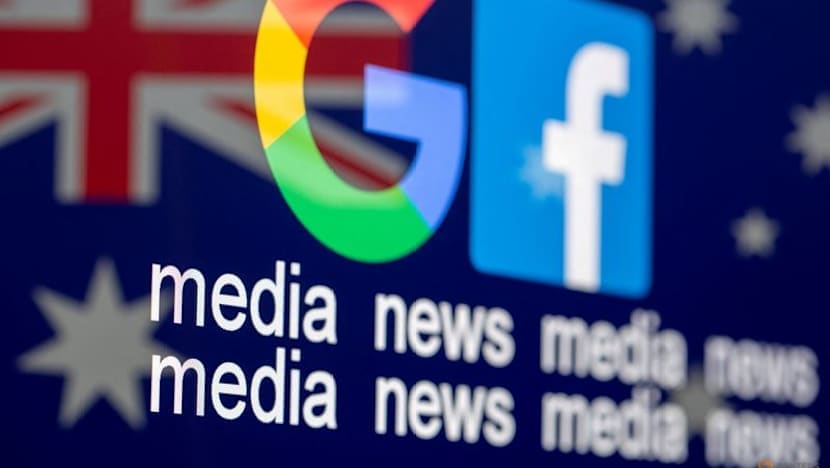
Australia is widening the scope of its media licensing regime by requiring large technology companies to strike payment agreements with at least eight local news organisations, up from the six outlined in an earlier proposal. The revised legislation, set for parliamentary introduction Thursday, aims to spread advertising revenue across a larger pool of domestic media businesses.
The updated framework also commits 5 per cent of collected funds to the Australian Associated Press, the national newswire that transitioned to non-profit status after facing potential closure in 2020. Communications Minister Anika Wells said the changes reflect evolving patterns in how Australians consume news and support smaller, diverse media entities.
From Bargaining Code to Levy System
Canberra's original 2021 media bargaining law compelled Google and Meta to negotiate content licensing deals, with a government arbitrator empowered to impose terms if talks stalled. Both companies signed multiple commercial agreements under that system, channeling payments to major publishers.
The government began reworking the model after Meta announced it would end news content payments in Australia and other markets. The revised plan shifts to a levy structure: digital platforms pay 2.5 per cent of their Australian advertising revenue, with the amount offset by the value of deals they negotiate. A reinstated cap limits any single licensing agreement to 25 per cent of a platform's total levy liability.
Newswire Funding and Platform Scope
The 5 per cent allocation for AAP recognises the service's role supplying text, photographs, and video to media organisations nationwide. Government officials said the funding supports public-interest journalism delivered through a wire service that operates independently of commercial owners.
The updated legislation expands platform coverage beyond Google and Meta to include TikTok and Microsoft's LinkedIn, reflecting the broader digital landscape in which news content circulates and generates user engagement.
Revenue Redistribution
The revised cap and increased minimum deal requirement aim to prevent revenue concentration among a handful of large publishers. By mandating at least eight agreements, the government intends to ensure regional outlets and smaller newsrooms capture a share of licensing payments.
The levy mechanism ties payment obligations directly to advertising revenue earned in Australia, creating a direct link between platform monetisation and the journalism that drives traffic. Officials said the structure addresses the imbalance in which technology companies profit from news content while publishers face shrinking revenue streams.
Regional Precedent
Australia's 2021 bargaining code drew international attention as the first national framework compelling tech platforms to pay for news. Several other jurisdictions, including Canada and the European Union, have since introduced similar measures.
The shift from negotiated deals to a levy system marks a further evolution, one that may inform policy debates across Asia-Pacific markets grappling with the same revenue dynamics. Singapore, South Korea, and India have all examined models for sustaining journalism in the platform era, and Canberra's experience offers a live case study in regulatory design.
The legislation now moves to parliamentary debate, with cross-party discussions having already shaped key provisions, including the eight-outlet minimum and the AAP funding commitment. Passage would lock in the levy framework and test whether a broader distribution model can stabilise smaller newsrooms while maintaining pressure on platforms to negotiate.
RELATED STORIES
Vietnam and Australia Eye Deeper Ties in Rice Production and Processing
Priyanka V. Rao · 4 min

Australia's Teen Social Media Ban Faces Reality Check as 80 Percent Still Log On
Priyanka V. Rao · 4 min
Australia Eyes New Oil Refinery as Middle East War Exposes Import Dependence
Priyanka V. Rao · 3 min
Canberra Pushes Back on Washington Trade Penalties Over Labour Claims
Priyanka V. Rao · 4 min
Spot something wrong? Email editor@briefasia.com. We log every correction publicly.