Asia · Trade
Canberra Pushes Back on Washington Trade Penalties Over Labour Claims
Australia's trade minister calls levies inconsistent with bilateral free trade agreement and demands their withdrawal
KEY TAKEAWAYS
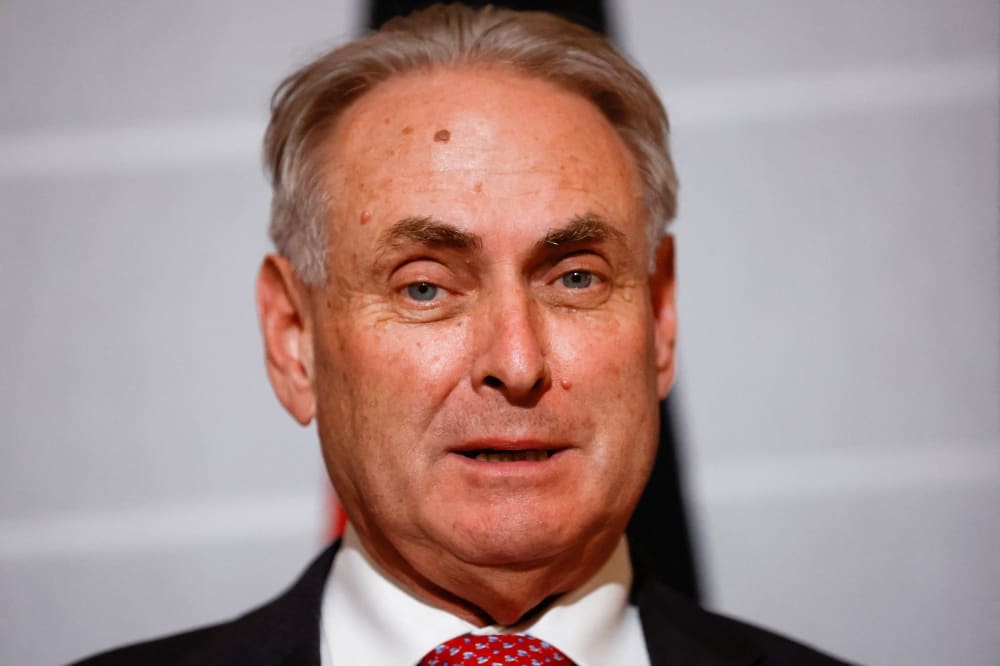
- ·The United States imposed tariffs of 10 to 12.5 percent on Australian goods over forced labour allegations, prompting Trade Minister Don Farrell to call the measures unjustified and incompatible with the bilateral free trade agreement.
- ·Australia argues the tariffs breach the Australia-United States Free Trade Agreement, which has governed bilateral commerce worth approximately USD 30 billion annually since 2005.
- ·Canberra will pursue formal dispute resolution under AUSFTA and engage diplomatic channels in Washington to seek withdrawal of the levies before they fully impact exporters.
Bilateral Friction Surfaces
Australia has pushed back sharply against newly imposed American trade penalties, marking an unusual public rift between two Pacific allies with deep security and economic ties. Trade Minister Don Farrell rejected the levies on Thursday, describing them as groundless and incompatible with the legal framework governing commerce between the two nations.
The tariffs, which range from 10 to 12.5 percent, place Australia alongside several other trading partners targeted by Washington over allegations related to forced labour practices. Farrell's statement challenged both the factual basis and the legal standing of the measures, arguing they breach the terms of the Australia-United States Free Trade Agreement that has governed bilateral commerce since 2005.
"These tariffs are unjustified, inconsistent with our free trade agreement, and should be removed," Farrell said, signalling Canberra's intention to pursue formal dispute mechanisms if Washington does not reverse course.
Trade Agreement Under Strain
The Australia-United States Free Trade Agreement, known as AUSFTA, eliminated most tariff barriers between the two economies and established binding dispute resolution procedures. The agreement covers approximately USD 30 billion in annual bilateral goods trade and has been a cornerstone of economic relations for two decades.
Canberra's invocation of the agreement's terms represents a significant escalation. Australia has historically avoided public confrontation with Washington on trade matters, preferring quiet diplomacy even during past disputes over steel and aluminium tariffs. The decision to issue a formal statement rejecting the levies suggests Australian officials view the forced labour justification as particularly damaging to the country's international reputation.
The tariffs apply across multiple sectors, though the specific product categories affected have not been fully disclosed. Australia's major exports to the United States include beef, wine, pharmaceuticals, and industrial machinery. Any sustained disruption to these flows would affect producers in regional Queensland, South Australia, and New South Wales, where export-oriented industries employ tens of thousands of workers.
Regional Implications
The dispute arrives at a delicate moment for Indo-Pacific economic architecture. Australia has worked to deepen trade integration across the region through frameworks including the Comprehensive and Progressive Agreement for Trans-Pacific Partnership and the Regional Comprehensive Economic Partnership. Both agreements emphasise predictable, rules-based commerce and labour standards enforcement through consultation rather than unilateral penalties.
Washington's decision to impose tariffs on Australia over labour concerns, without prior bilateral consultation or evidence presented through formal channels, risks undermining the very principles American officials have championed in regional trade negotiations. Several Southeast Asian economies are watching closely, concerned that similar allegations could be deployed against them despite existing trade commitments.
Singapore and Japan, both close American allies with substantial trade ties to Washington, have not commented publicly on the Australian tariffs. However, officials in Tokyo and Singapore have privately expressed concern that unilateral tariff actions could destabilise the broader regional trade environment at a time when supply chain resilience remains a priority.
Forced Labour Allegations
The forced labour justification for the tariffs remains opaque. Australia operates under comprehensive workplace laws enforced by the Fair Work Ombudsman, and its labour standards are regularly reviewed by international bodies including the International Labour Organization. Canberra has not received formal notification of specific violations or concerns that would warrant trade penalties under international norms.
Australian officials suspect the tariffs may be linked to broader domestic political pressures in the United States rather than substantive labour rights concerns. However, without detailed documentation from Washington, Canberra faces the challenge of rebutting allegations that have not been formally articulated.
The opacity surrounding the forced labour claims complicates Australia's response. If the allegations relate to supply chain practices involving third countries, Australian exporters may face demands for extensive documentation proving the origin and production methods of goods destined for American markets. Such requirements would impose significant compliance costs on small and medium enterprises that lack the administrative resources of multinational corporations.
Next Steps
Farrell has signalled that Australia will pursue all available avenues to contest the tariffs, including formal dispute resolution under AUSFTA and engagement with the World Trade Organization if necessary. The agreement provides for a structured consultation process that must be exhausted before either party can escalate to binding arbitration.
Canberra is also mobilising diplomatic channels, with senior officials in Washington expected to press counterparts at the Office of the United States Trade Representative for clarification on the legal and factual basis for the levies. Australian Ambassador to the United States Kevin Rudd, a former prime minister with deep experience in trade negotiations, is coordinating the response.
Industry groups in Australia have begun assessing the financial impact of the tariffs and preparing submissions to the trade minister's office. The National Farmers' Federation and the Australian Chamber of Commerce and Industry are expected to call for expedited negotiations to resolve the dispute before the levies take full effect.
The dispute tests the durability of one of the Indo-Pacific's most stable bilateral relationships at a time when both countries have emphasised the importance of economic cooperation in countering regional strategic challenges. How quickly and transparently Washington responds to Canberra's objections will signal whether the tariffs represent a policy shift or an administrative anomaly that can be corrected through established channels.
RELATED STORIES

Australia Imposes Revenue Levy on Tech Platforms Without News Deals
Priyanka V. Rao · 2 min

Australian Healthcare Firm Kairos Targets Philippine BPO Market for Global Expansion
Priyanka V. Rao · 4 min

Roblox Agrees to Enforceable Child Safety Measures After Australian Tests Expose Risks
Priyanka V. Rao · 2 min

Meta Removes 756,000 Australian Accounts as Teen Social Media Ban Faces Scrutiny
Priyanka V. Rao · 3 min
Spot something wrong? Email editor@briefasia.com. We log every correction publicly.