Asia · Politics
Australia Imposes Revenue Levy on Tech Platforms Without News Deals
New law taxes advertising revenue at 2.5 percent unless platforms strike agreements with at least eight local publishers by end of reporting period
KEY TAKEAWAYS
- ·Australia enacted a 2.5 percent tax on advertising revenue for tech platforms with over A$250 million in local revenue unless they negotiate with at least eight news publishers.
- ·The law creates tiered offsets favoring smaller outlets, with agreements earning 150 percent offset for large publishers and 200 percent for small and medium-sized organizations.
- ·Platforms including Meta, Google, TikTok, and LinkedIn must finalize deals before their reporting period ends to apply offsets against levy liability.
The Mechanism
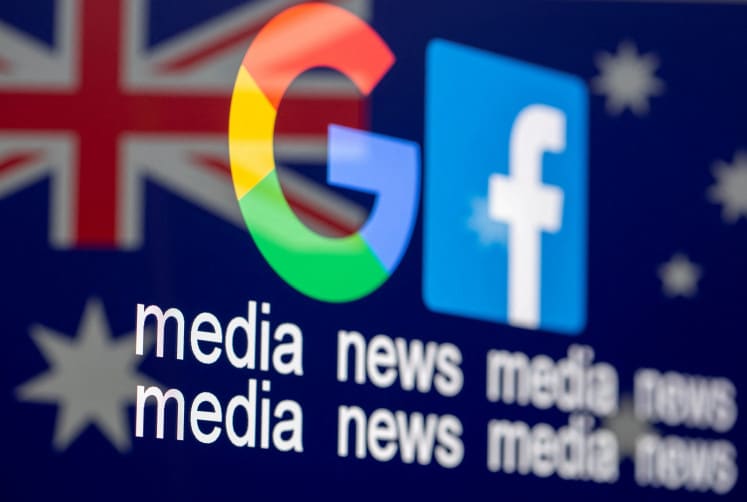
Australia's parliament approved legislation Thursday establishing a 2.5 percent tax on advertising revenue for technology platforms that fail to negotiate commercial agreements with local news organizations. The News Bargaining Incentive applies to companies operating significant social media or search services in Australia with local advertising revenue exceeding A$250 million ($178 million).
The tax targets Meta, Alphabet's Google, TikTok, and Microsoft's LinkedIn. Revenue collected flows directly to Australian news outlets whose content drives user engagement and advertising income on these platforms.
Platforms can eliminate the levy by finalizing agreements with at least eight different publishers before their reporting period closes. The value of these deals offsets their tax liability. Agreements must either support news content production or involve news content from publishers appearing on the platform.
Offset Structure
The legislation creates tiered incentives favoring smaller publishers. Spending with large news organizations carries a 150 percent offset against the levy, while agreements with small and medium-sized outlets earn a 200 percent offset. Individual deals cannot exceed 25 percent of a platform's total levy liability.
The government emphasized timing in its statement. Platforms must complete negotiations before their financial reporting period ends to apply offsets for that period. The message is direct: commercial agreements are no longer optional.
Regional Context
Australia's move adds pressure on tech platforms already navigating complex regulatory environments across Asia-Pacific. Governments in the region have watched Canberra's approach closely since its first attempt at compelling news payments in 2021, when Facebook temporarily blocked Australian news content before reaching a compromise.
The levy arrives one day after parliament passed separate legislation restricting gambling advertisements, signaling broader regulatory momentum targeting digital platforms. For news organizations struggling with declining print revenue and competition from digital aggregators, the law represents a potential revenue stream backed by statutory force rather than voluntary negotiation.
The threshold of eight publishers prevents platforms from satisfying the requirement through token agreements with a handful of outlets. The cap on individual deals at 25 percent of liability similarly discourages concentrating payments with a single large publisher while ignoring smaller regional outlets.
What Comes Next
Platforms now face a calculation: negotiate with multiple Australian news organizations or absorb a 2.5 percent tax on substantial advertising revenue. The offset structure makes diversified agreements more attractive than either paying the levy or striking a few large deals.
For smaller publishers outside major metropolitan markets, the enhanced 200 percent offset creates leverage they have not previously held in negotiations with platforms that dwarf them in market capitalization. Whether this translates to sustainable agreements or becomes another compliance exercise will depend on enforcement and the actual value platforms assign to news content in their ecosystems.
The legislation sets a precedent other governments in the region may adapt. Singapore, Malaysia, and Indonesia have all discussed similar measures in parliamentary sessions over the past two years. Australia's implementation provides a working model, complete with thresholds, offset structures, and escape mechanisms that other jurisdictions can modify for their markets.
RELATED STORIES

Australian Healthcare Firm Kairos Targets Philippine BPO Market for Global Expansion
Priyanka V. Rao · 4 min

Roblox Agrees to Enforceable Child Safety Measures After Australian Tests Expose Risks
Priyanka V. Rao · 2 min

Meta Removes 756,000 Australian Accounts as Teen Social Media Ban Faces Scrutiny
Priyanka V. Rao · 3 min

New South Wales Launches Gun Buyback After Bondi Beach Attack
Priyanka V. Rao · 3 min
Spot something wrong? Email editor@briefasia.com. We log every correction publicly.