Finance · Markets
Hong Kong Exchange Advances Extended Trading Hours Plan Despite Broker Pushback
HKEX prepares discussion paper on longer trading days and potential lunch break removal, marking first opening-time shift since 2012
KEY TAKEAWAYS
- ·Hong Kong Exchanges and Clearing will release a discussion paper on extending trading hours and potentially removing the lunch break, marking the first opening-time change since 2012.
- ·Brokers have raised concerns about operational costs, staffing requirements, and the impact on settlement processing currently done during the midday pause.
- ·The move aims to improve Hong Kong's competitive position against mainland exchanges and other Asian financial centers that operate longer or continuous trading sessions.
Exchange Pushes Consultation Forward
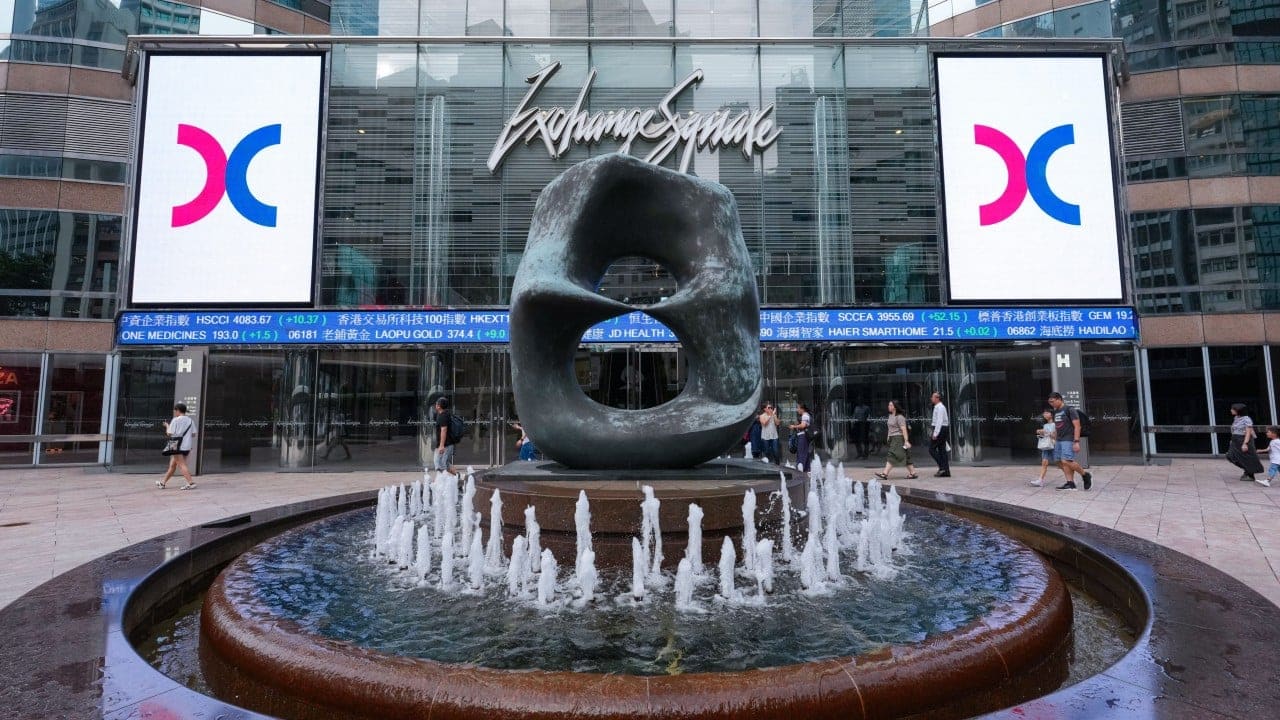
Hong Kong Exchanges and Clearing will release a discussion paper on extending stock market trading hours, according to people familiar with the matter. The move comes despite significant concerns from brokers about longer trading days and the possible elimination of the midday trading pause.
If implemented, the changes would represent the first adjustment to Hong Kong's market opening time in fourteen years. The exchange operator is proceeding with the consultation despite mixed feedback from market participants during preliminary discussions.
The proposal addresses a long-standing debate in Hong Kong about whether the city's trading hours place it at a competitive disadvantage compared to mainland Chinese markets and other regional financial centers. Shanghai and Shenzhen exchanges operate continuous trading sessions without lunch breaks, while Hong Kong maintains a two-hour midday pause from 12:00 to 13:00.
Broker Concerns Over Costs and Staffing
Brokerage firms have expressed reservations about the potential operational impact of extended hours. Longer trading days would require additional staff coverage, increase technology infrastructure costs, and place greater demands on risk management systems that monitor positions throughout the session.
The lunch break issue is particularly contentious. Many Hong Kong brokerages use the midday pause for settlement processing, system maintenance, and staff rotation. Eliminating this window would force firms to redesign operational workflows and potentially hire additional personnel to maintain continuous coverage.
Smaller brokerages face especially acute pressure. While large international firms possess the resources to extend coverage, boutique brokers operating on tighter margins worry that longer hours could erode profitability without necessarily generating proportional increases in trading volume or revenue.
Regional Competitive Dynamics
The discussion occurs as Hong Kong works to maintain its position as Asia's premier international financial hub. Mainland exchanges have steadily expanded their global footprint through initiatives like Stock Connect, which links Hong Kong with Shanghai and Shenzhen markets. Trading hour alignment could facilitate smoother arbitrage and improve liquidity for dual-listed stocks.
Singapore, Tokyo, and Seoul have all examined or implemented trading hour adjustments in recent years to better align with global capital flows. Tokyo Stock Exchange extended its lunch break in 2011 before reversing course in 2024 to eliminate it entirely, citing improved market efficiency and international alignment.
Hong Kong last modified its opening time in 2012, when it shifted the morning session start from 10:00 to 09:30 to increase overlap with mainland trading hours. That change followed years of consultation and phased implementation.
Next Steps in Consultation Process
HKEX will use the discussion paper to gather formal feedback from brokers, institutional investors, listed companies, and other market participants. The consultation period typically runs several months, allowing stakeholders to submit detailed responses on specific proposals.
The paper is expected to outline multiple scenarios, potentially including partial extensions, phased implementation timelines, or hybrid models that preserve some form of midday break while extending overall hours. Previous consultations on market structure changes have taken eighteen to twenty-four months from initial paper to final implementation.
Market observers note that any changes will require coordination with the Securities and Futures Commission, Hong Kong's financial regulator, as well as alignment with clearing and settlement systems operated by HKEX subsidiaries. Technology infrastructure upgrades across the entire trading ecosystem would be necessary to support extended operations.
The outcome will shape Hong Kong's trading landscape for years and signal how seriously the city takes competitive threats from rival financial centers. For now, the exchange is moving forward with consultation, even as it navigates divergent views on whether longer hours serve the market's best interests.
RELATED STORIES
Hong Kong and China Regulators Announce Market Integration Reforms
Cheng Wei-Lun · 3 min
China Bond Futures Launch in Hong Kong Draws Strong Opening Volume
Cheng Wei-Lun · 3 min

Standard Chartered Venture Launches Hong Kong Dollar Stablecoin for Institutions
Cheng Wei-Lun · 2 min
HSBC Names Dual Leaders for Insurance Unit After CEO Exit
Priyanka V. Rao · 2 min
Spot something wrong? Email editor@briefasia.com. We log every correction publicly.