Finance · Markets
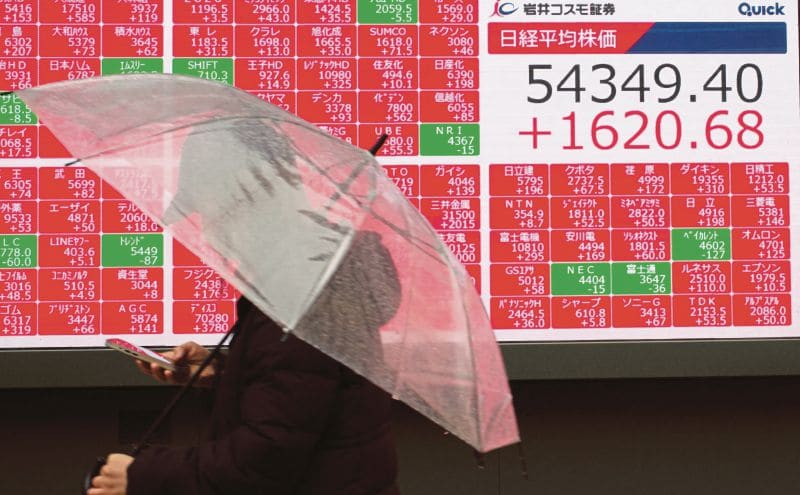
Asian Chip Stocks Crater as Markets Question AI Spending Model
South Korean semiconductor shares plunge over 12 percent amid concerns over Chinese manufacturing advances and circular investment flows in artificial intelligence infrastructure
KEY TAKEAWAYS
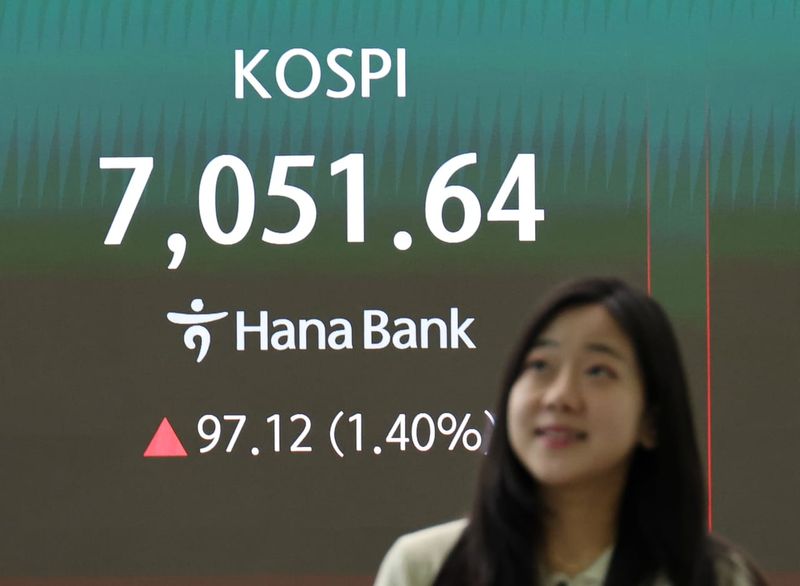
- ·South Korea's KOSPI fell over 10 percent and triggered circuit breakers, posting its largest monthly decline on record as memory chip stocks SK Hynix and Samsung Electronics each dropped more than 12 percent.
- ·Reports that China has begun producing domestically developed immersion deep ultraviolet lithography machines and CXMT's strong market debut fueled concerns about intensifying competition in memory chips.
- ·Markets assign a 36 percent probability to a Federal Reserve rate hike Wednesday, adding pressure on high-momentum technology stocks as investors question AI infrastructure spending returns.
Semiconductor Sell-Off Accelerates
Global equity markets registered their weakest session in a month as semiconductor stocks across Asia experienced sharp declines. South Korea's KOSPI dropped more than 10 percent, hitting a three-month trough and activating exchange circuit breakers. The index now faces its steepest monthly decline in its history, eclipsing losses recorded during the 1997 regional financial crisis.
Memory chip manufacturers bore the brunt of the retreat. SK Hynix and Samsung Electronics each shed over 12 percent in value. The KOSPI had more than tripled over the twelve months ending in June but has since surrendered over one-third of those gains.
The MSCI All Country World Price Index declined 0.60 percent, reaching its lowest level since late June.
Chinese Manufacturing Advances Rattle Investors
Market sentiment deteriorated following reports that Chinese manufacturers have begun producing domestically developed immersion deep ultraviolet lithography equipment. The technology represents a critical component in advanced semiconductor fabrication.
Separately, Chinese memory chipmaker CXMT made a robust stock market debut Monday, intensifying concerns about competitive pressure in the memory segment. The dual developments have prompted investors to reassess the pricing power and margin assumptions embedded in current valuations for established Asian producers.
Dorian Carrell, head of multi-asset income at Schroders, noted that hyperscalers purchasing AI infrastructure have shown reluctance due to cost considerations and leverage requirements. Questions about profitability in the Asian semiconductor space have compounded those concerns.
AI Investment Model Under Scrutiny
Artificial intelligence-linked equities have endured multiple rounds of selling pressure in recent weeks as market participants debate whether current valuations adequately reflect the economics of AI infrastructure spending. The latest wave of concern centers on what some analysts describe as circular funding arrangements within the sector.
Nvidia shares fell five percent Monday after disclosure that the company is in discussions to provide approximately $250 billion in financing guarantees for OpenAI as part of a large-scale data center project. Futures contracts tied to the Nasdaq 100 dropped more than one percent in early Tuesday trading, with Nvidia and Micron Technology shares declining in pre-market activity.
Earnings reports due this week from Microsoft, Amazon, Meta, and Apple carry heightened significance. These companies rank among the largest purchasers of AI-related infrastructure. Alphabet and Tesla disappointed investors last week with negative cash flow figures, sharpening focus on whether capital-intensive AI investments will generate adequate returns.
Carrell observed that while the broader AI narrative retains long-term potential, growth rates at current levels are seldom sustained. He characterized the market's critical reassessment as a healthy development.
Rate Hike Speculation Weighs on Risk Assets
Expectations that the Federal Reserve may raise interest rates as early as this week have added to pressure on high-growth equities. Markets currently assign a 36 percent probability to a 25-basis-point increase at Wednesday's policy meeting.
Martin Frandsen, portfolio manager at Principal Asset Management, highlighted the vulnerability of high-momentum stocks in an environment where capital costs rise. Investors holding positions that have performed strongly may face incentives to reduce exposure, with leveraged positions typically unwound first.
Benchmark 10-year US Treasury yields declined approximately four basis points to 4.64 percent Monday, though shorter-maturity rates remained largely unchanged. The dollar maintained strength against major currencies, with the euro trading below $1.14 at $1.1362.
Energy and Currency Markets React
Brent crude futures extended Monday's nearly nine percent decline, falling an additional two percent to $86.63 per barrel. The retreat followed a pause in hostilities between the United States and Iran after Washington suspended air strikes over the weekend. President Donald Trump indicated Monday that productive discussions with Iran were underway and that a diplomatic agreement remained possible.
The yen traded at 163.925 against the dollar, hovering near a four-decade low. Currency markets remain alert to the possibility of Japanese authorities intervening, particularly if the Bank of Japan holds rates steady at its upcoming meeting and triggers further yen weakness.
Thierry Wizman, currency and rates strategist at Macquarie Group, cautioned that if Bank of Japan communication fails to strike a sufficiently hawkish tone and the dollar-yen pair moves higher, traders should anticipate official responses ranging from verbal intervention to direct market action, potentially as soon as Friday.
European equities outperformed Tuesday, supported by positive earnings from Unilever and Mercedes-Benz, though Wall Street futures signaled further weakness ahead for US technology shares.
RELATED STORIES
Index Funds Face Hidden Concentration Risk From AI Boom
Cheng Wei-Lun · 3 min
Samsung Electronics Drops 8% as Market Questions Buyback Strategy
Cheng Wei-Lun · 2 min
South Korea Extends Trading Hours to Attract Foreign Capital
Anand Sundaram · 2 min
Seoul Stocks Drop on Mideast Tensions and Oil Price Surge
Tran Quoc Bao · 3 min
Spot something wrong? Email editor@briefasia.com. We log every correction publicly.