Real Estate · Homes
Asia's Luxury Home Market Shifts From Space to Identity
Developers across the region are building residences that prioritise meaning and personal alignment over traditional markers of wealth, as branded projects reach a USD30.7 billion pipeline
KEY TAKEAWAYS
- ·Asia holds a branded residence pipeline worth USD30.7 billion across 283 developments and 67,000 units, marking the sector's evolution into a distinct asset class driven by lifestyle demand.
- ·Asia-Pacific will generate nearly half of the world's new ultra-high-net-worth individuals between 2025 and 2028, with cross-border residential investment up 64% in 2024 to USD49 billion.
- ·Seventy-five percent of ultra-high-net-worth individuals now actively seek to reduce carbon footprints through eco-friendly home choices, influencing how buyers perceive value in prime properties.
The New Luxury Equation
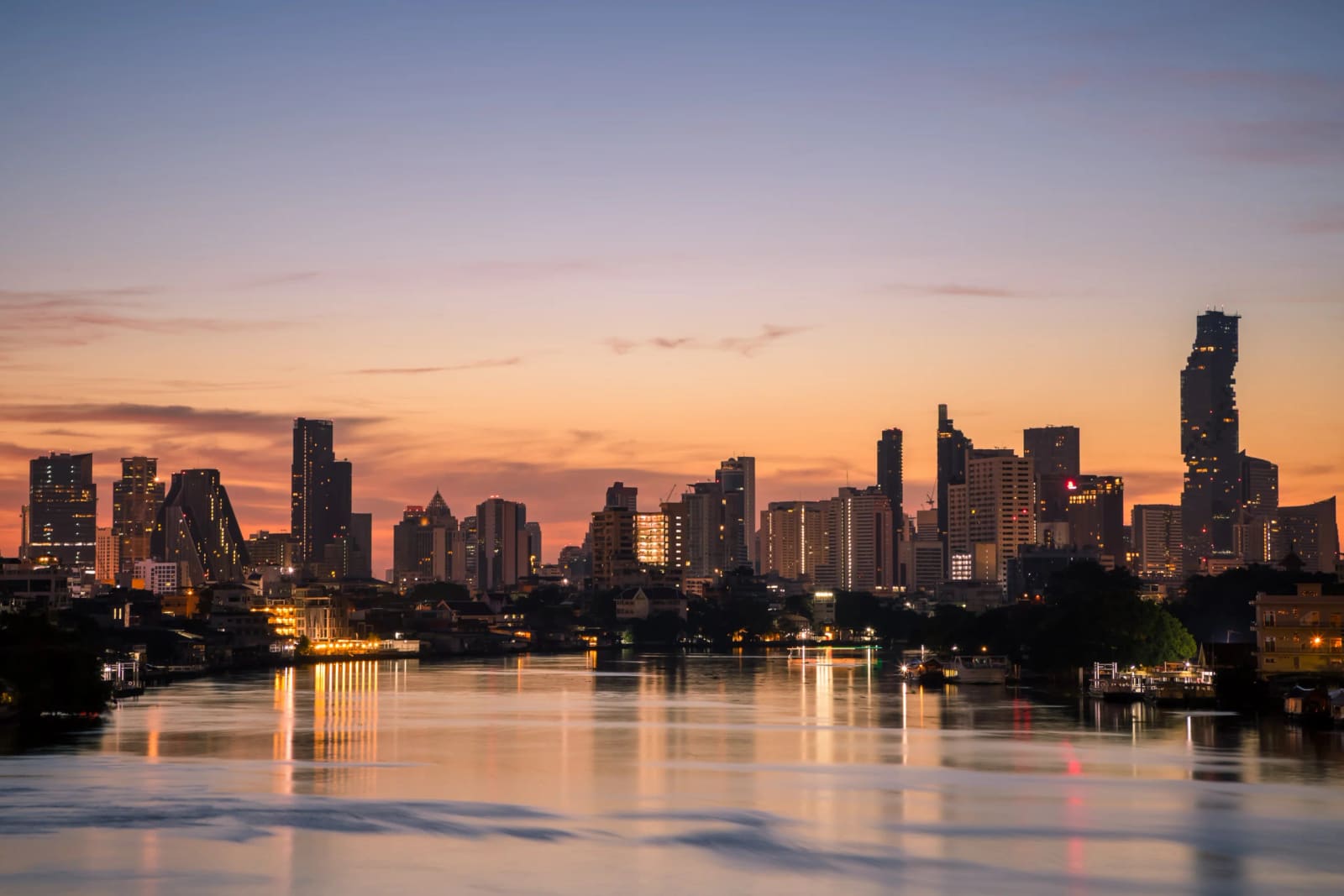
Bangkok's Porsche Design Tower lets residents park supercars in glass-walled garages adjacent to their living rooms, with units priced up to THB1.25 billion (USD40 million). The building features a spiral ramp enabling owners to drive directly into their Sky Villas, where vehicles are displayed under lighting as if they were art installations.
The project represents a broader shift in how Asia's wealthy define prestige. Square footage and skyline views matter less than identity and personal expression, according to industry data. Bangkok and Tokyo climbed six places each in Julius Baer's 2025 Global Wealth and Lifestyle Index, reaching 11th and 17th positions respectively, reflecting growing appetite for luxury experiences alongside traditional assets.
Asia now holds a branded residence pipeline worth USD30.7 billion, spanning 67,000 units across 283 developments, according to C9 Hotelworks' Asia Branded Residences Market Review 2025. Bill Barnett, founder of C9 Hotelworks, notes the sector has evolved from niche hospitality extensions into a distinct asset class driven by lifestyle demand and premium design.
Wealth Migration and Buyer Evolution
Asia-Pacific will generate nearly half of the world's new ultra-high-net-worth individuals between 2025 and 2028, according to Knight Frank's Wealth Report 2025. Hong Kong and Singapore rank among the top secondary-home markets globally, with cross-border residential investment jumping 64% in 2024 to USD49 billion, Knight Frank data shows.
The buyer profile is diversifying. Millennial millionaires and mobile entrepreneurs now join established family wealth in the market, seeking homes that accommodate health priorities, integrated technology, and flexible lifestyles.
Smart home systems that learn routines, AI concierges, and building analytics optimising air and energy use have become standard in premium developments. Wellness features extend beyond spa amenities to biophilic architecture, circadian lighting, and design centred on recovery.
Christine Li, head of research at Knight Frank Asia Pacific, says 75% of ultra-high-net-worth individuals now actively seek to reduce their carbon footprint, partly through eco-friendly home choices. Green credentials are beginning to influence how buyers perceive value in prime properties.
Six Projects Redefining Regional Luxury
Bangkok's Gated Enclave Cinq Royal Krungthep Kreetha offers 46 low-rise residences spanning more than 1,000 square metres each across 45,600 square metres. Asset Five Group designed the gated development with Art Deco and colonial influences, featuring Villeroy & Boch and Küppersbusch fittings. With prices exceeding THB150 million and sales above 90%, the project targets multi-generational families seeking space and privacy.
Fuzhou's Vertical Villa Jianfa·Zichen in Fuzhou's Gulou district contains just nine homes in a 25-storey tower, one per floor. BAC Design drew on Song Dynasty aesthetics, while WEDO Design created courtyards echoing literati gardens. Each residence receives piped hot spring water, and the development includes a hot spring club for intimate gatherings.
Singapore's Coastal Retreat Meyer Blue rises 26 storeys on a freehold Meyer Road plot with 226 homes. P&T Architects designed the tower with cabana-style frames, while Peter Tay Studio chose driftwood textures and coastal tones for interiors. The Meyer Club sky lounge faces Marina Bay, and larger units feature private lift access. A 40-metre lap pool anchors the ground level.
Manila's Inhabited Facade The Estate Makati, designed by Foster + Partners with William V. Coscolluela & Associates, uses bay windows pushed out from the building skin to create corner views for every apartment in the 60-storey tower. Column-free layouts allow customisation, with no more than four units per floor. Units range from PHP81 million to above PHP245 million, and the project targets LEED Gold certification.
Ho Chi Minh City's Restrained Approach The OpusK Residence in Thu Thiem district houses just 119 homes across 36 storeys. SonKim Land commissioned Evocateurs Design for interiors featuring muted tones and natural finishes in column-free layouts. Units are priced from VND18 billion to VND70 billion, with over 70% sold to families and entrepreneurs. Amenities include spa, fitness facilities, co-working suites, and a golf simulator.
Jakarta's Horizontal Luxury Tresor offers 32 homes on 3.5 hectares, each exceeding 1,000 square metres. Sinar Mas Land created an estate format in a market dominated by vertical developments. Airmas Asri handled architecture, while Hadiprana Design added tactile finishes. Landscaping builds green buffers around each residence, emphasising privacy over amenities.
What Drives the Shift
Developers are layering curated art collections, cultural programmes, and community design into projects, treating residences as ecosystems rather than standalone buildings. Sustainability credentials are shaping perceptions of prime property as environmental awareness grows among buyers.
The convergence of branded residences, sustainability focus, and price growth in key cities is reshaping the Asia-Pacific luxury landscape, creating opportunities and challenges for developers and investors. Properties that deliver space and prestige while anchoring personal identity are commanding premium positioning in the region's evolving market.
RELATED STORIES

Mitsubishi Motors Brings Back Pajero SUV With Thailand Launch
Cheng Wei-Lun · 3 min
Thailand Urged to Tie EV Investment to Local Supply Chain Development
Priyanka V. Rao · 3 min

Chinese Humanoid Robots Now Jump Higher and Run Faster Than Olympic Athletes
Cheng Wei-Lun · 4 min

Mitsubishi Motors Shifts Strategy to US and Australia Markets
Aiko Nakamura · 3 min
Spot something wrong? Email editor@briefasia.com. We log every correction publicly.