Technology · AI
Asia's AI Chip Startups Face Manufacturing Reality Check
Securing foundry slots, memory partnerships, and packaging capacity proves as critical as chip design for fledgling semiconductor companies
KEY TAKEAWAYS
- ·South Korea's FuriosaAI shipped 4,000 units of its 5 nm RNGD chip in January 2026 at USD 10,000 each, with 16,000 more planned this year after raising USD 246 million and securing TSMC, memory, and packaging partnerships simultaneously.
- ·Advanced foundries like TSMC, three HBM suppliers (SK Hynix, Samsung, Micron), and packaging facilities create multiple bottlenecks, with startups needing allocation from all three before production while competing against global AI infrastructure demand.
- ·Southeast Asia expects six new fabs using mature nodes by 2029, while India builds 28-110 nm capacity, pushing startups toward edge AI and niche workloads as a stepping stone to eventual data center chips.
The Design Paradox
Asia's semiconductor landscape now hosts thousands of AI chip ventures, many launched by former Intel and AMD engineers who spotted an opening in the post-Nvidia gold rush. Yet the region's startup ecosystem confronts an uncomfortable truth: engineering prowess alone cannot guarantee production.
The manufacturing pipeline presents multiple choke points. Advanced foundries remain scarce, with TSMC and Samsung Foundry dominating nodes below 7 nanometers. High-bandwidth memory suppliers number just three globally. Packaging facilities capable of integrating processors with HBM operate at capacity. Each represents a separate negotiation, and startups must clear all three simultaneously.
Chan Yip Pang at Vertex Ventures, who has invested in three Southeast Asian semiconductor startups, notes that allocation at TSMC typically requires more than technical merit. The Taiwan foundry told Tech in Asia it maintains dedicated teams for emerging customers, offering guidance on manufacturing timelines and technology roadmaps. But demand far exceeds available production slots for cutting-edge nodes.
Production in Practice
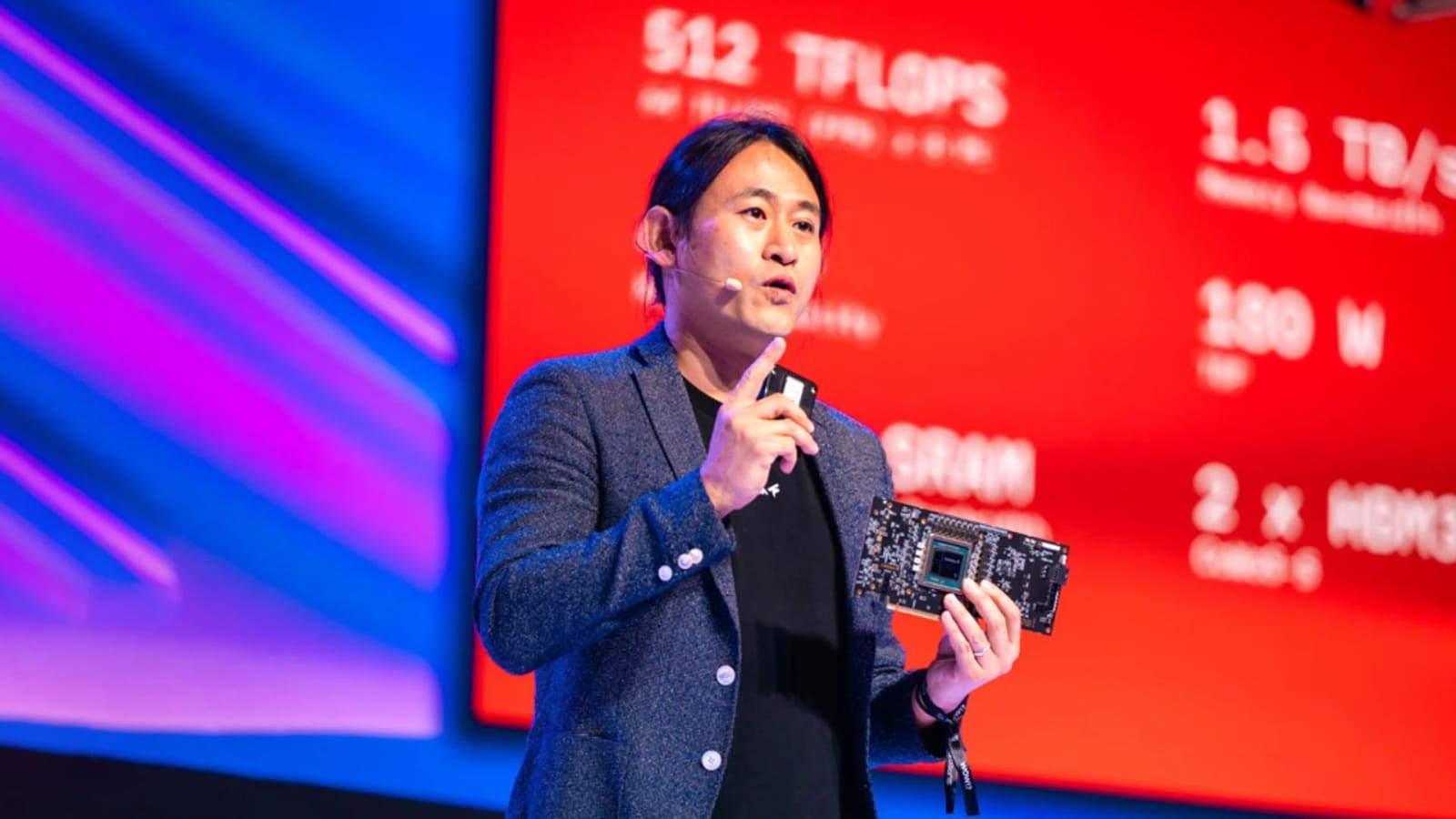
South Korea's FuriosaAI offers a rare example of a startup navigating this gauntlet successfully. Founded in 2017, the company has shipped its RNGD inference accelerator - built on TSMC's 5 nm process - to Samsung and LG after raising USD 246 million.
Alex Liu, senior vice-president at Furiosa, describes the coordination required: securing fab capacity, memory allocation, packaging partnerships, and customer commitments in parallel. The company delivered 4,000 units in January 2026 through assembly partner Asus, with plans for 16,000 more this year. Each chip carries an estimated USD 10,000 price tag.
Bengaluru-based Agrani Labs, led by veterans from Intel and AMD, is pursuing a similar frontier strategy. The startup has raised USD 8 million from Peak XV Partners, with CEO Dheemanth Nagaraj reportedly in discussions for over USD 100 million more. Investors highlight the team's credentials - drawn from the estimated 150,000 semiconductor engineers in Bengaluru - but acknowledge funding alone may not secure TSMC access.
Arjun Rao at Speciale Invest, which backed chip design firm Morphing Machines, points to the financial threshold: tape-out and initial volume at leading-edge nodes demand substantial capital, while global AI infrastructure buildout absorbs available capacity.
The Memory Equation
Foundry access solves only part of the equation. AI accelerators require high-bandwidth memory to shuttle data at speeds necessary for large model inference. SK Hynix, Samsung, and Micron control this market, and all three apply strict criteria before supporting new entrants.
Liu emphasizes that securing HBM partnerships depends less on capital than on demonstrating technical viability and commercial traction. SK Hynix has stated publicly it will not back every startup seeking allocation.
Memory partnerships in turn unlock access to advanced packaging, where TSMC's CoWoS technology - which pairs Nvidia GPUs with HBM - sets the industry standard. But CoWoS production capacity remains constrained.
Singapore-based Silicon Box aims to expand packaging availability through panel-level technology that integrates processors, memory, and other components. Yet Mike Han, chief revenue officer, says the company evaluates startups on team pedigree, founder track records, supply chain relationships, and credible customer demand before engagement.
For Furiosa, customer conversations began during the design phase, evolving through multiple rounds as the company approached production. Liu notes that positioning as non-US, non-China technology reduces geopolitical risk - a factor that matters as governments seek alternatives to American and Chinese suppliers.
Strategic Alternatives
India's semiconductor ambitions include multiple projects backed by the India Semiconductor Mission, while Tata Electronics is developing a fab in Gujarat targeting 28 to 110 nm nodes. Southeast Asia expects six new foundries using mature technology by 2029, according to industry projections.
These older nodes open different paths. Singapore-based OptoML designs chips for CCTV cameras, drones, and robots using 12 nm processes - technology cheaper and more accessible than the 5 nm nodes frontier startups pursue. The company is piloting with manufacturers including Chennai's Murugappa Group and Wheels India.
CEO Saravana Maruthamuthu describes edge AI as a starting point, not a destination. OptoML is working toward a 5 nm data center inference chip, viewing hyperscale deployment as the eventual goal once commercial traction is established.
Pang at Vertex Ventures expects Southeast Asian startups to cluster around smaller, niche categories given regional funding constraints, though he notes these markets can still reach substantial scale. South Korea's government support and established memory ecosystem have enabled companies like Furiosa and Rebellions to compete at the frontier - a model other Asian governments are studying.
Rao at Speciale Invest argues that India should cultivate multiple strategic alternatives rather than betting on a single national champion, given the country's expanding data center footprint and compute requirements.
Ankush Wadhera at Boston Consulting Group observes that the semiconductor industry now generates as much fear of missing out as revenue, with thousands of startups chasing a market Nvidia commands with over 75 percent GPU share. The question for Asia's chip ventures is whether alternative routes - through edge deployments, specific workloads, or sovereign compute strategies - can build the traction needed to eventually challenge the incumbent.
RELATED STORIES
South Korea's Southwestern Chip Hub Set to Double in Size
Cheng Wei-Lun · 3 min
SK Hynix Breaks Ground on $3.9 Billion Chip Packaging Facility in Indiana
Cheng Wei-Lun · 3 min
SK Hynix Explores US Fab Sites Under Customer Pressure for Local Memory Production
Cheng Wei-Lun · 3 min

South Korea's Chip Design Talent Crunch Deepens as Memory Giants Chase HBM4 Engineers
Cheng Wei-Lun · 3 min
Spot something wrong? Email editor@briefasia.com. We log every correction publicly.