Technology · Dev
South Korea's Chip Design Talent Crunch Deepens as Memory Giants Chase HBM4 Engineers
Samsung and SK Hynix are pulling experienced designers from fabless firms and design houses, creating a skills vacuum across the semiconductor ecosystem

KEY TAKEAWAYS
- ·Samsung Electronics and SK Hynix are recruiting experienced chip designers for HBM4 development, pulling talent from fabless companies and design houses across South Korea.
- ·Tighter trade secret protections limit engineer movement between the two memory giants, pushing recruiters to target smaller firms that lack legal resources to enforce non-compete clauses.
- ·The talent drain threatens government efforts to diversify South Korea's semiconductor industry beyond memory, as smaller companies delay projects or shift design work offshore.
A Talent War Reshaping the Ecosystem
South Korea's semiconductor industry faces a mounting personnel crisis as the country's two dominant memory manufacturers compete for a finite pool of experienced chip designers. The race to develop HBM4 products has turned engineer recruitment into a zero-sum contest, with Samsung Electronics and SK Hynix pulling talent from smaller industry players that lack comparable resources.
The impact extends beyond simple headcount. Fabless companies and independent design houses, which traditionally served as training grounds and innovation hubs for specialized engineering talent, now struggle to retain staff as the memory giants offer compensation packages and project scope that smaller firms cannot match. This shift threatens to hollow out the middle tier of South Korea's semiconductor ecosystem at a moment when the industry requires broad-based innovation.
HBM4 Complexity Drives Demand
The technical demands of fourth-generation high-bandwidth memory explain much of the hiring pressure. HBM4 architecture requires expertise in vertical stacking, thermal management, signal integrity at extreme data rates, and hybrid bonding techniques that remain bleeding-edge even by advanced packaging standards. Engineers with hands-on experience in these domains remain scarce, and the learning curve for new hires extends project timelines in ways neither Samsung nor SK Hynix can afford.
Both companies have publicly committed to HBM4 production schedules aligned with next-generation AI accelerator roadmaps from Nvidia, AMD, and other hyperscale customers. Missing those windows carries revenue consequences measured in billions of dollars, creating internal urgency that translates directly into aggressive talent acquisition strategies.
Regulatory Friction Between Rivals
Movement of engineers between Samsung and SK Hynix faces additional complications. South Korean trade secret protections and non-compete enforcement have tightened in recent years, particularly for roles involving proprietary manufacturing processes or unreleased product specifications. Legal departments at both companies now routinely scrutinize lateral hires from direct competitors, adding friction to what would otherwise be the most natural talent flow between the two firms with the deepest HBM expertise.
This dynamic pushes recruiters to target engineers at fabless companies, system houses, and independent design service providers instead. Those firms typically lack the legal resources to enforce non-compete clauses aggressively, and their engineers often possess transferable skills in high-speed interface design, power delivery networks, or verification methodologies that apply directly to HBM development.
Broader Industry Implications
The talent drain carries consequences for South Korea's semiconductor ambitions beyond memory. The government has invested heavily in building a more diversified chip industry, including support for fabless startups, automotive semiconductor players, and design service companies. Those efforts depend on a robust talent pipeline that can staff projects across multiple domains simultaneously.
When memory manufacturers absorb experienced designers faster than universities and industry training programs can replace them, the entire ecosystem feels the constraint. Smaller companies delay product launches, scale back R&D initiatives, or shift work offshore to design centers in India, Taiwan, or Vietnam where talent availability differs.
What Comes Next
The hiring competition shows no signs of easing. HBM4 remains in active development at both Samsung and SK Hynix, with volume production timelines extending into 2027 and beyond. Meanwhile, early research into HBM5 has already begun, ensuring that demand for specialized memory designers will persist even as current-generation products reach maturity.
Industry observers expect South Korea to respond with policy measures aimed at expanding the talent pool rather than restricting mobility. Proposals under discussion include accelerated visa pathways for foreign engineers, expanded graduate program funding in semiconductor disciplines, and incentives for companies to invest in internal training programs that reduce dependence on lateral hires.
The outcome will shape not just South Korea's position in the memory market, but its ability to compete across the full spectrum of semiconductor design and manufacturing as chip complexity continues to climb.
RELATED STORIES
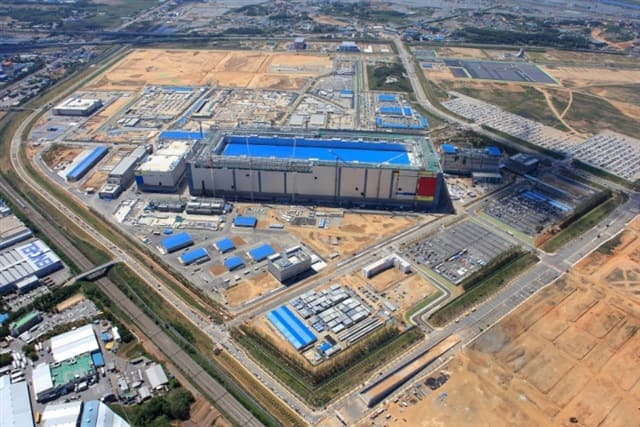
South Korea's Southwestern Chip Hub Set to Double in Size
Cheng Wei-Lun · 3 min
SK Hynix Explores US Fab Sites Under Customer Pressure for Local Memory Production
Cheng Wei-Lun · 3 min
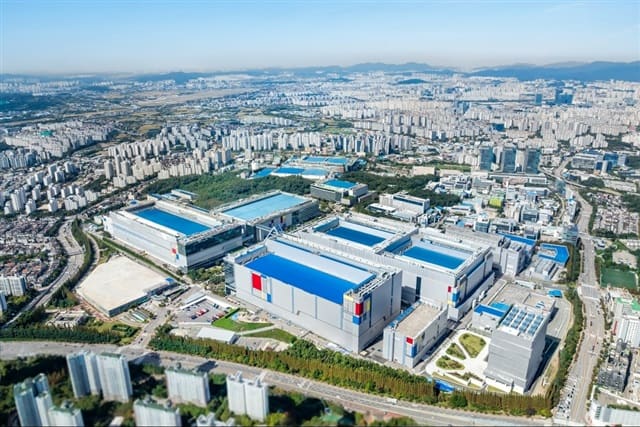
Samsung Eyes Vietnam for Legacy Memory Backend as HBM Demand Tightens Capacity
Cheng Wei-Lun · 3 min
South Korean Memory Exports Jump Nearly 280% While System Chips Stall
Cheng Wei-Lun · 3 min
Spot something wrong? Email editor@briefasia.com. We log every correction publicly.